


Zendaya has opened up about why cold plunges are not for her, while specialists continue to debate whether frequent cold-water immersion could have downsides for some women.
The actor recently completed work on Marvel’s Spider-Man: Brand New Day, which premiered in July 2026 and became one of the year’s biggest box office hits. She is also set to return as Chani in Denis Villeneuve’s Dune: Part Three, the final chapter of the sci-fi trilogy, alongside Timothée Chalamet and Florence Pugh, releasing in December 2026. Zendaya stars in A24’s The Drama, released in 2026.
While discussing beauty habits with Vogue, she reflected on everything from perfume to haircare.

She also named one wellness craze she has no interest in trying: cold plunging.
“I’m definitely not a cold water girl,” she explained.
“I like to take very long, hot showers. Everybody knows that’s my thing. When I’m overwhelmed, I just need to go sit in the shower. Sometimes I’ll even bring in an iced tea or whatever, and just sip my little drink.”
Plenty of famous faces, among them Hailey Bieber, Lizzo, and Gwyneth Paltrow, have previously praised cold plunges. But some experts say the trend may not be equally beneficial for everyone, especially women in certain circumstances.
The Mayo Clinic says cold plunging, or cold-water immersion, involves putting part or all of the body into very cold water for a short period.
That could mean an ice bath, a lake, or the sea, provided the water is safe and free from dangerous currents.
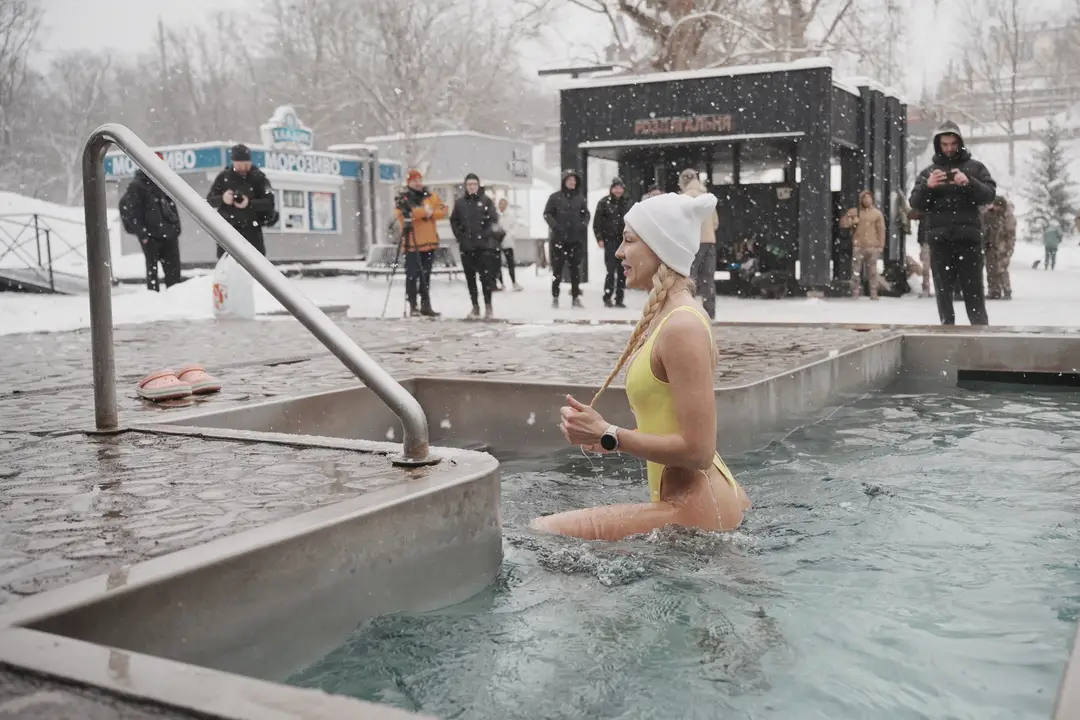
A 2024 study published in the journal GeroScience found that brief exposure to cold water may offer benefits such as lowering inflammation, supporting immune function, improving sleep, and aiding post-workout recovery. However, recent research presents a more nuanced picture, with some studies showing that many women who regularly engage in cold water swimming report symptom improvements, though research continues on how cold exposure affects women at different life stages.
Still, Dr Stacy Sims, an American exercise physiologist and nutrition scientist, has warned that women can respond differently to near-freezing exposure. She argues that the extreme cold causes a stronger stress response in women than men, potentially leading to different neuroendocrine effects. Sims notes that when women immerse themselves in ice-cold water, it can trigger excessive sympathetic nervous system activation.
“Over time, that can disrupt menstrual regularity, blunt thyroid function, and impair recovery,” she cautioned. However, Sims has also indicated that moderately cold temperatures—around 15°C (59°F)—may produce more balanced benefits without pushing into chronic stress territory.
Stephanie Wallman, medical director at The Lanby, also told Elle Magazine that people who are postpartum, perimenopausal, or in menopause may want to avoid the practice because of the “additional stress” it can place on the body.
“It will go into storage instead of the fat-burning state that they need to be in for it to have all the longevity benefits that they’re looking for.”
Dr Sims has also pointed out that cold therapy is not entirely off the table, depending on how and when it is used.
“Around ovulation, localized cold (not full-body immersion) can reduce inflammation and pain in women with ovulatory discomfort or endometriosis. Cold helps modulate prostaglandin activity and local blood flow, which can be helpful for symptom management.
“But again, the context matters: this is therapeutic cooling, not whole-body ice bathing for metabolic gain.”

More research is still needed into how cold-water immersion affects women at different life stages, according to healthcare professionals. A 2024 University College London study surveyed 1,114 women who practiced cold water swimming and found that among those noting changes in menstrual symptoms, 46.7 percent reported reduced anxiety and 37.7 percent reported mood swings easing, suggesting potential benefits for some women.
Gouri Pimputkar, a OB/GYN for Allara Health stated: “There has to be more research out there, not only looking at premenopausal women versus postmenopausal women, but even within the timing of the menstrual cycle.
“Maybe it would make sense to do cold water therapy at a certain time of the menstrual cycle.”
Rather than full-body cold exposure, Dr Sims recommends heat therapy such as sauna sessions.
Appearing on The Mel Robbins Podcast, she said: “A woman can sit in there, sit up high 20 minutes or so, not sweating yet, absorbing the heat, vasodilating, it’s great.”
She recommends aiming for 10 to 15 minutes twice a week at minimum, saying it may deliver benefits including improved blood flow to the brain.