

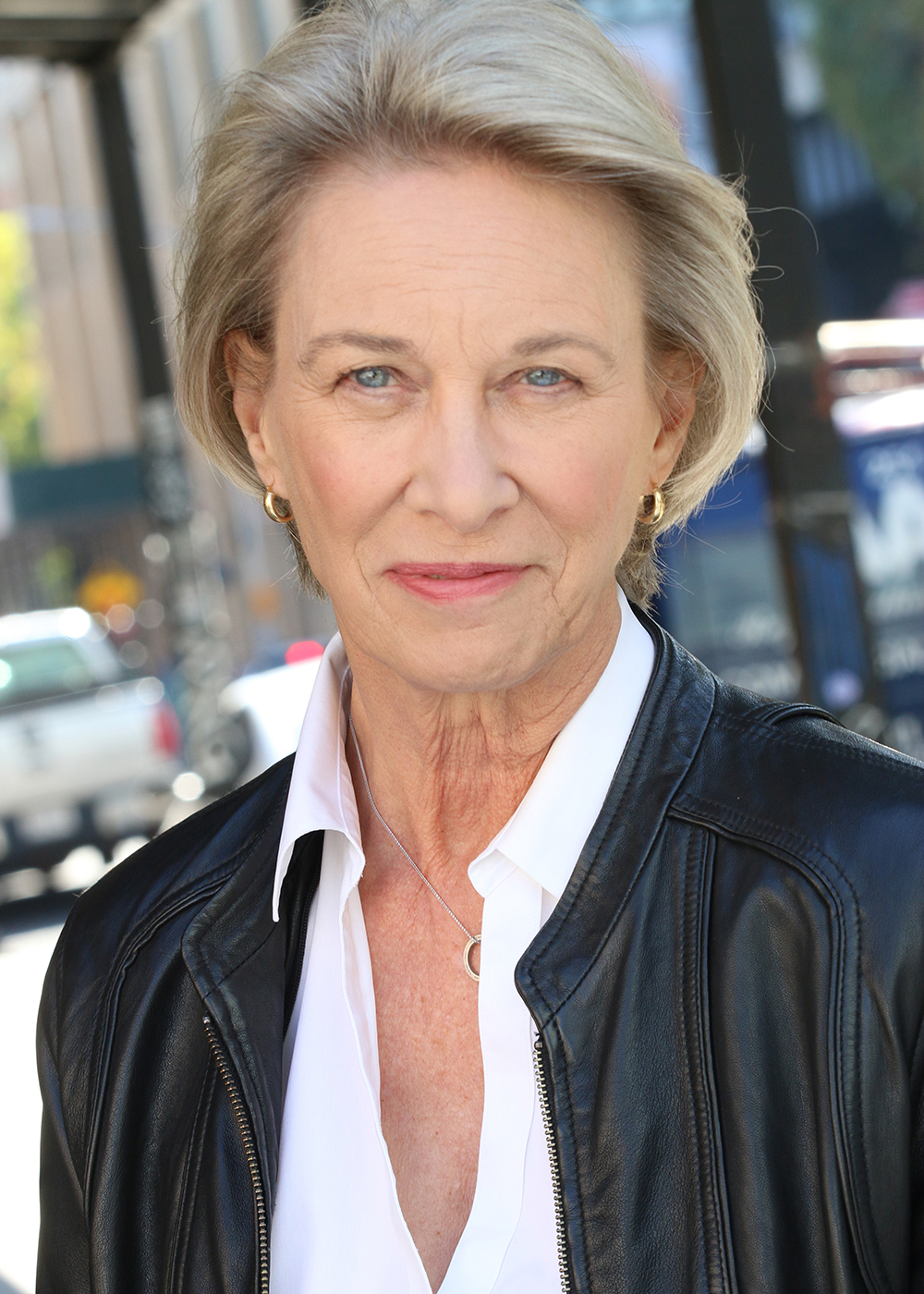
Barbara Butcher spent 23 years as a death investigator for New York City’s Office of Chief Medical Examiner, investigating more than 5,500 deaths, of which 680 were homicides. Her career in forensic investigation stands as a remarkable journey from personal struggle to professional distinction, marked by her pioneering role as a woman in a male-dominated field and her groundbreaking contributions to the science of death investigation.
Butcher’s path to this elite career was unconventional. Before becoming a death investigator, she worked as a physician’s assistant and later as a hospital administrator. However, her life took a difficult turn when she lost her job due to alcoholism. While in recovery through a 12-step program, she enrolled in vocational rehabilitation to chart a new direction. A career counselor, noting her interests and background, suggested two options: she could become a poultry veterinarian or a coroner. Butcher chose the latter, though she approached the decision with characteristic wit. “If you work with puppies or kittens you’d always be upset that they were sick, but chickens have those beady little eyes: no one gives a shit about chickens,” she later recalled.
In 1992, newly sober, Butcher cold-called Dr. Charles Hirsch, New York City’s legendary Chief Medical Examiner, to request an informational interview. Hirsch was so impressed during their meeting that he hired her on the spot. She began her career as a medicolegal investigator with the Office of Chief Medical Examiner that same year, becoming the second woman ever hired for the position. More significantly, she was the first to remain in the job longer than three months.
Over her 23-year career, which ran from 1992 to 2015, Butcher investigated scenes ranging from accidental deaths and natural causes to gruesome homicides and complex mass casualty events. Her work required meticulous attention to detail. She examined death scenes looking for medications, personal notes, photographs, and jewelry that might shed light on how victims lived. She would take the temperature of bodies to estimate time of death, note evidence like neck contusions or marks left by weapons, and document patterns that could prove crucial to investigations.
Butcher became particularly known for her humanistic approach to death investigation. She believed strongly that understanding not just how people died, but how they lived, was essential to the work. This philosophy guided her investigations through the diverse landscape of New York City, from examining bodies in abandoned tunnels beneath Amtrak infrastructure to investigating deaths in penthouse apartments filled with impressionist paintings.
Her most significant work came following the September 11, 2001 terrorist attacks on the World Trade Center. Butcher was among those responsible for remains recovery and identification of victims at the largest mass fatality event in American history. She and her colleagues initially relied on family members’ descriptions and personal artifacts—wedding rings with inscriptions, desk calendars, scattered memos and doodles—to help distinguish among the thousands of victims. The assignment profoundly affected her emotionally, marking what she described as a shift into “a new emotional state that I can’t really identify for you still because it’s too hard to process.”
Despite the trauma inherent in the work, Butcher rose within the agency. Eventually becoming Chief of Staff and director of the Forensic Sciences Training Program, she founded a federally funded academy that provided national training on best practices in death investigation. She also consulted internationally for the World Health Organization and assisted with disaster planning for multiple governments. She taught at New York University School of Medicine and New York Medical College and was appointed to the White House Commission on Forensic Science.
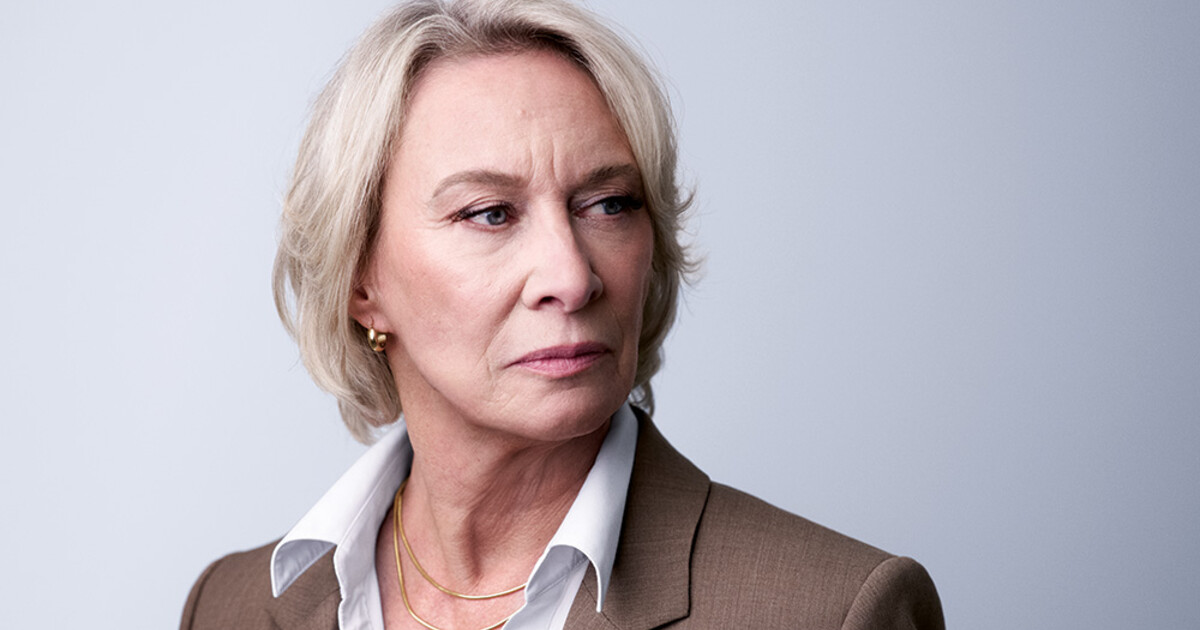
Butcher’s tenure at the Medical Examiner’s office ended in 2015 when Mayor Bill de Blasio made new appointments to city positions. The loss of her job triggered a period of deep depression requiring hospitalization. She later found that creative pursuits—taking piano and dance lessons and engaging in other artistic activities—proved therapeutic.
In 2023, Butcher published her memoir, “What the Dead Know: Learning About Life as a New York City Death Investigator,” with Simon & Schuster. The book received widespread critical acclaim, with The Wall Street Journal describing it as “remarkably candid and sensitive.” She wrote it during the 2020 COVID lockdown, processing decades of experiences on death scenes across the city. The memoir explores both her investigative work and her personal journey through addiction, recovery, and professional achievement.
More recently, Butcher has returned to public consciousness through television appearances. She appeared in the 2024 Netflix docuseries “Homicide: New York,” created by Dick Wolf, in which she and other investigators broke down some of the city’s most notorious murder cases. She also became the subject of her own true-crime series on Oxygen called “The Death Investigator with Barbara Butcher,” which premiered in September 2025, examining compelling murder cases through her experienced lens.
Despite retirement from official duties, Butcher has made mental health advocacy a priority, particularly for first responders and death-scene investigators. She has become a sought-after speaker at conferences and lectures, sharing insights from her remarkable career with audiences including forensic professionals, law enforcement, and mystery writers. Her work has fundamentally changed how death investigation is understood both within the forensic community and in broader American culture, cementing her legacy as one of the most influential death investigators in the nation’s history.