


According to an internal memorandum from February 1995, Love requested that photos from the scene of Cobain’s death be destroyed.
Newfound documents surrounding Kurt Cobain’s death showed his wife, Courtney Love, made an unusual request concerning the crime scene photos.
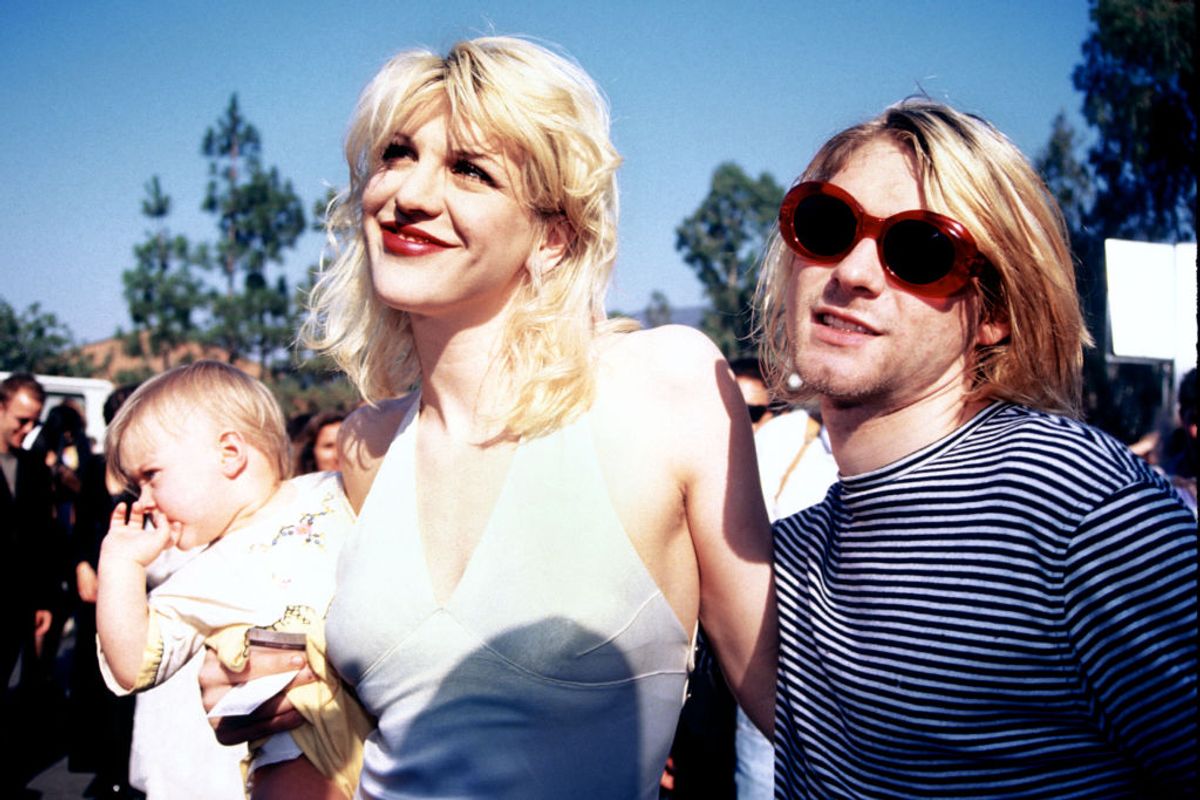
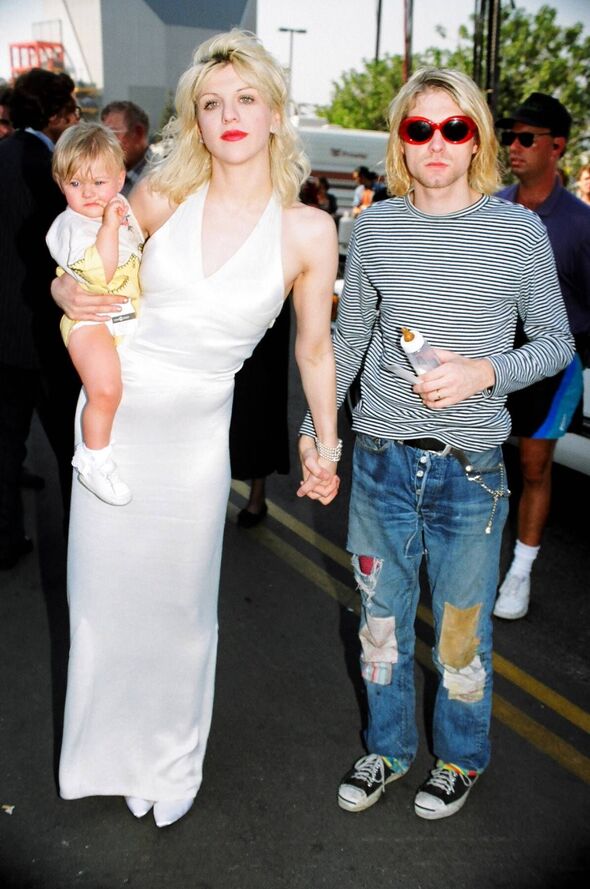
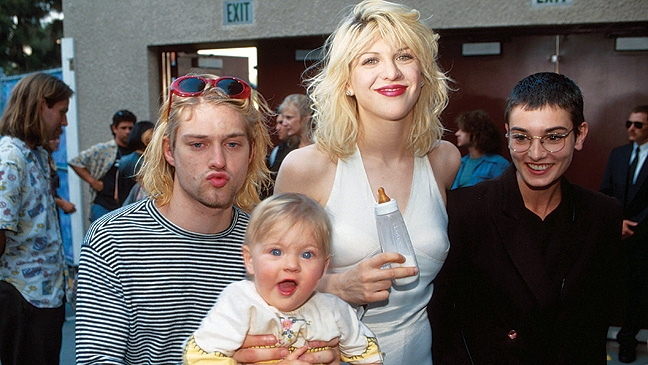
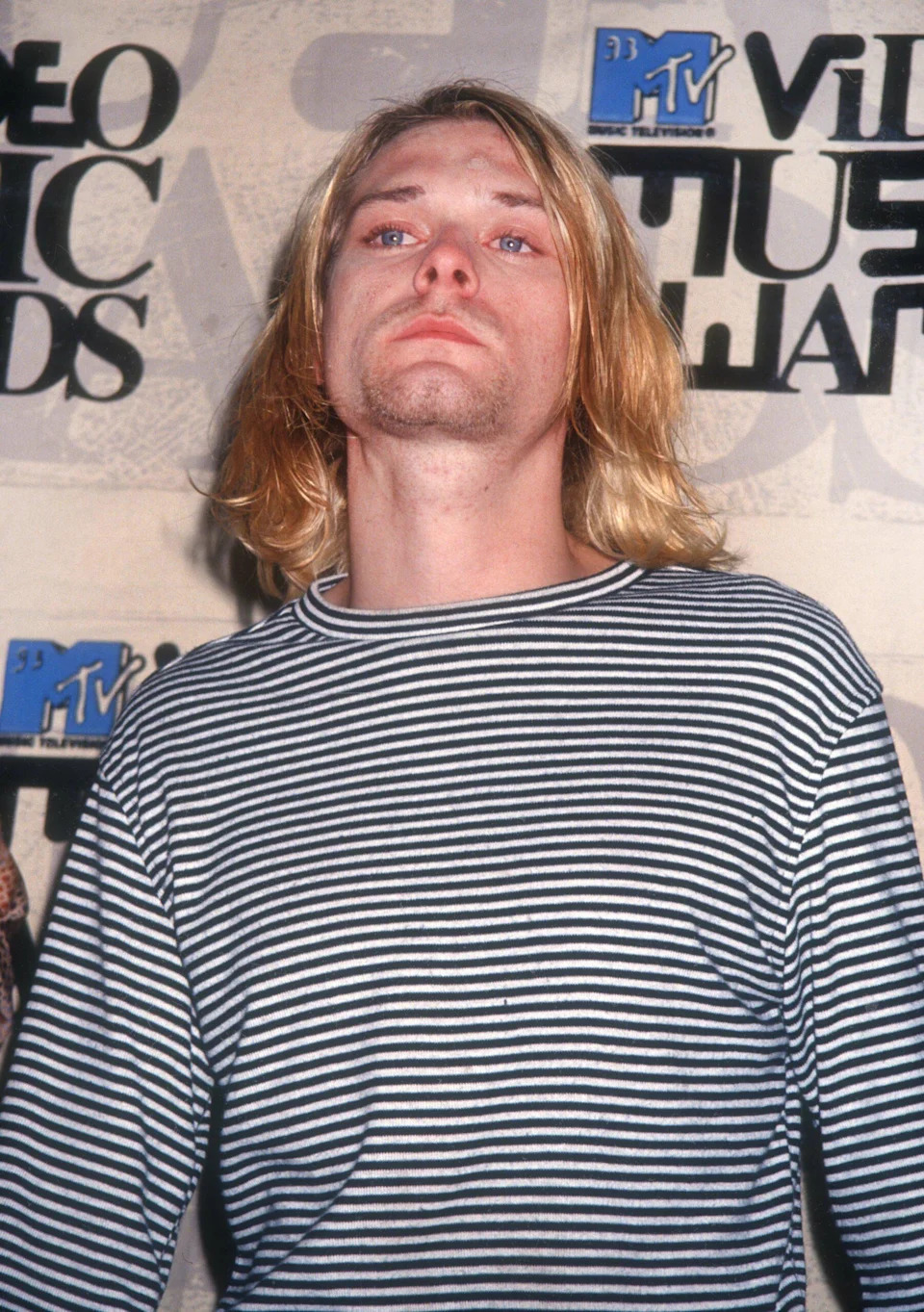
Love, 61, and Cobain, who was 27 at the time of his death, had been together for under three years when he took his own life in 1994.
The request was dubbed “really weird” and “unprecedented” by retired Seattle police captain Neil Low.
The memo, recently discovered by the organization Who Killed Kurt?, was sent by Sergeant Don Cameron to homicide unit commander Lieutenant Al Gerdes.
Cameron wrote that “allegations by a California private investigator, Tom Grant,” who accused Love of killing Cobain and the police department of “cover[ing] up the murder,” had “rekindled” Love’s concerns about the “preservation/security of the crime scene photos.”
Cameron wrote that Love approached her attorney, Seth Lichtenstein, regarding the matter. Lichtenstein reportedly “called and asked if the photos could be destroyed to prevent any mistaken release.”
Low said, “I just thought it was a really weird, unprecedented request to ask to destroy evidence just 10 months after the death.”
He explained his deeper concerns.
Low continued, “I myself was worried that there was a danger that the photos would be developed and get out there because my department is not without blemish.” Low explained that the film was kept in “a fancy safe” in a records office where there was “no good security.”
Low stated, “There were legitimate concerns about things disappearing from evidence.”
The implications were staggering to Low.
Low mused that “one phone call” could have “permanently” wiped “the entire evidentiary record of how Kurt Cobain died.”
The memo’s contents had remained obscured for years until recently uncovered.
Love did not publicly respond to the disclosure of her request in recent coverage.

Cobain’s body was discovered on April 8, 1994. The violent death of Kurt Cobain, the lead guitarist and singer of the popular rock band Nirvana, was estimated by the King County Medical Examiner in Seattle, Washington, USA to have occurred on April 5, 1994.
The Seattle Police Department detectives, the ME investigator, the Assistant ME, and the Chief ME concluded that Cobain died by suicide.
An investigation determined that days earlier Cobain had gone into the greenhouse of his large home and taken a massive dose of heroin. He then shot himself with a 20-gauge shotgun.
The death was controversial from the start.
Despite the official ruling, the Nirvana frontman’s death has long fueled conspiracy theories, some of which paint Love in a negative or suspicious light.
A California state licensed private investigator hired by Love believed foul play was involved, and that Love “had something to do with it.” Tom Grant, an L.A.-based private investigator and former L.A. County Sheriff’s deputy, believed the ruling of Cobain’s death as a suicide was “a rush to judgment” due to the “inconsistencies” in the case.
The Seattle Police Department continues to stand by the ruling.
At that time, then-cold case detective Mike Ciesynski revisited the evidence and “watched several documentaries and conspiracies surrounding Cobain’s death.” Det. Ciesynski determined at the time the investigation was sound, and the case has not been reopened or re-investigated since.