

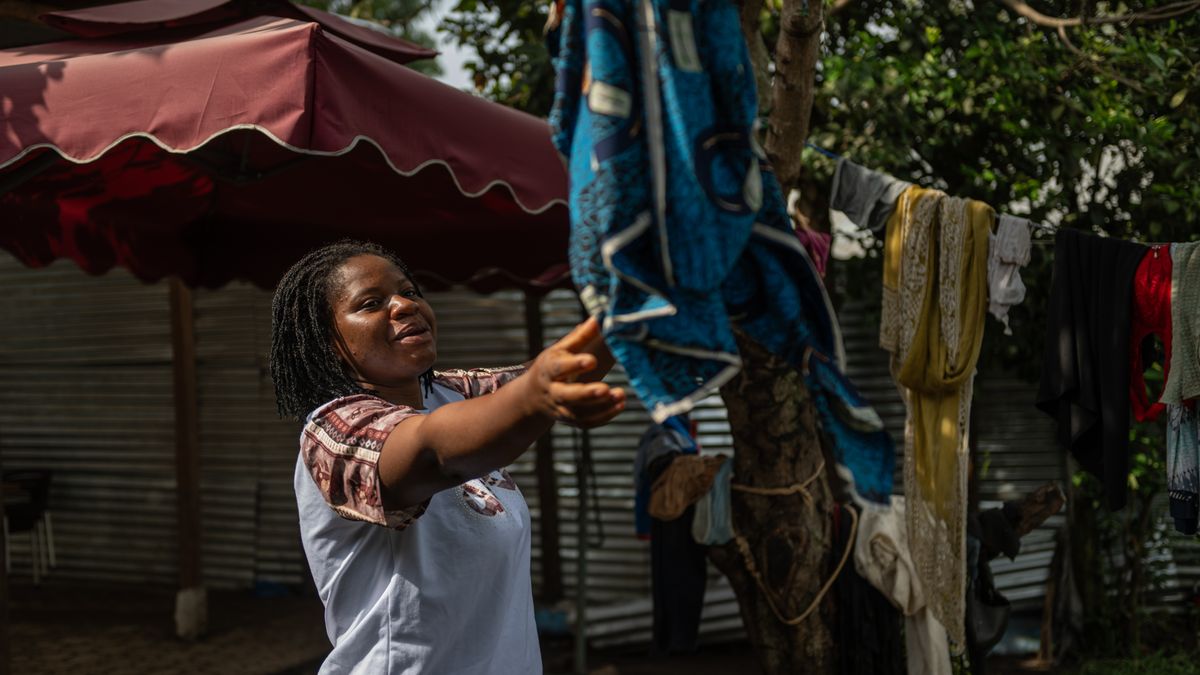
As the Democratic Republic of the Congo battles the fastest-growing Ebola outbreak on record, a separate public health crisis is unfolding in the shadows: pregnant women are increasingly avoiding hospitals, and maternal deaths in the outbreak epicenter have doubled since the outbreak began in May.
The outbreak, caused by the Bundibugyo strain of Ebola, has been declared a public health emergency of international concern by the World Health Organization. As of late July, the outbreak had spread to 49 health zones across five provinces in eastern Congo, with more than 1,600 confirmed deaths among 3,600 confirmed cases. It is now the largest Ebola outbreak ever reported in Congo’s history.
But while health authorities have worked to contain the virus, pregnant women who might face life-threatening complications during childbirth have largely stopped seeking prenatal care or delivering in hospitals. According to the United Nations Population Fund, maternal mortality in Ituri Province, the outbreak epicenter, doubled after news of the outbreak spread. Before May, there were an average of 3.1 maternal deaths per week. That figure jumped to 5.8 deaths per week from May 25 through July 19, with an average of about six women dying per week due to childbirth complications.
Esther Lutula, a 26-year-old mother of four who was four months pregnant when the outbreak was declared, stopped attending prenatal checkups shortly after authorities announced the disease’s presence in eastern Congo. Midway through her pregnancy, she feared being placed into isolation simply for having a fever—a common misconception about how the disease is treated. “That’s why I’m waiting until the disease is no longer widespread,” she explained.
Elodie Yabiri, another heavily pregnant woman in Bunia, the provincial capital and outbreak epicenter, expressed a similar concern. “Right now, if you feel sick and go to the hospital, they say it’s Ebola and they put you in quarantine right away. That’s what scares people,” Yabiri said. She, too, was avoiding hospitals as much as possible.
Experts say the health crisis is rooted in multiple factors. Fear of Ebola transmission drives much of the avoidance, but misinformation appears to play an equally significant role. Weeks into public health efforts to battle false claims about the outbreak, some residents continue to hold mistaken views. Some have even questioned whether Ebola exists at all. Healthcare workers report that rumors about how the disease spreads and how patients are treated have taken root across the region.
“With Ebola, it is stronger because Ebola has a lot of rumors,” said Noemi Dalmonte, deputy country representative of the United Nations Population Fund in Congo, explaining why the fear during Ebola outbreaks differs from other public health emergencies.
The crisis is complicated by the fact that this particular Ebola strain is exceptionally dangerous. The Bundibugyo virus has no approved vaccine or treatment, setting it apart from the Zaire virus that drove previous outbreaks. While scientists are urgently developing vaccine candidates—with manufacturing of trial doses expected by year’s end—no approved options currently exist to protect residents or healthcare workers.
Pregnant women are particularly vulnerable. Studies from previous Ebola outbreaks show that infection during pregnancy carries a near 100 percent fetal loss rate, and in some outbreaks, more than 90 percent of pregnant women who contracted the virus died. Women face higher risk of exposure partly because of their roles as primary caregivers for sick family members and their participation in traditional funeral rites, which typically involve direct contact with bodies.
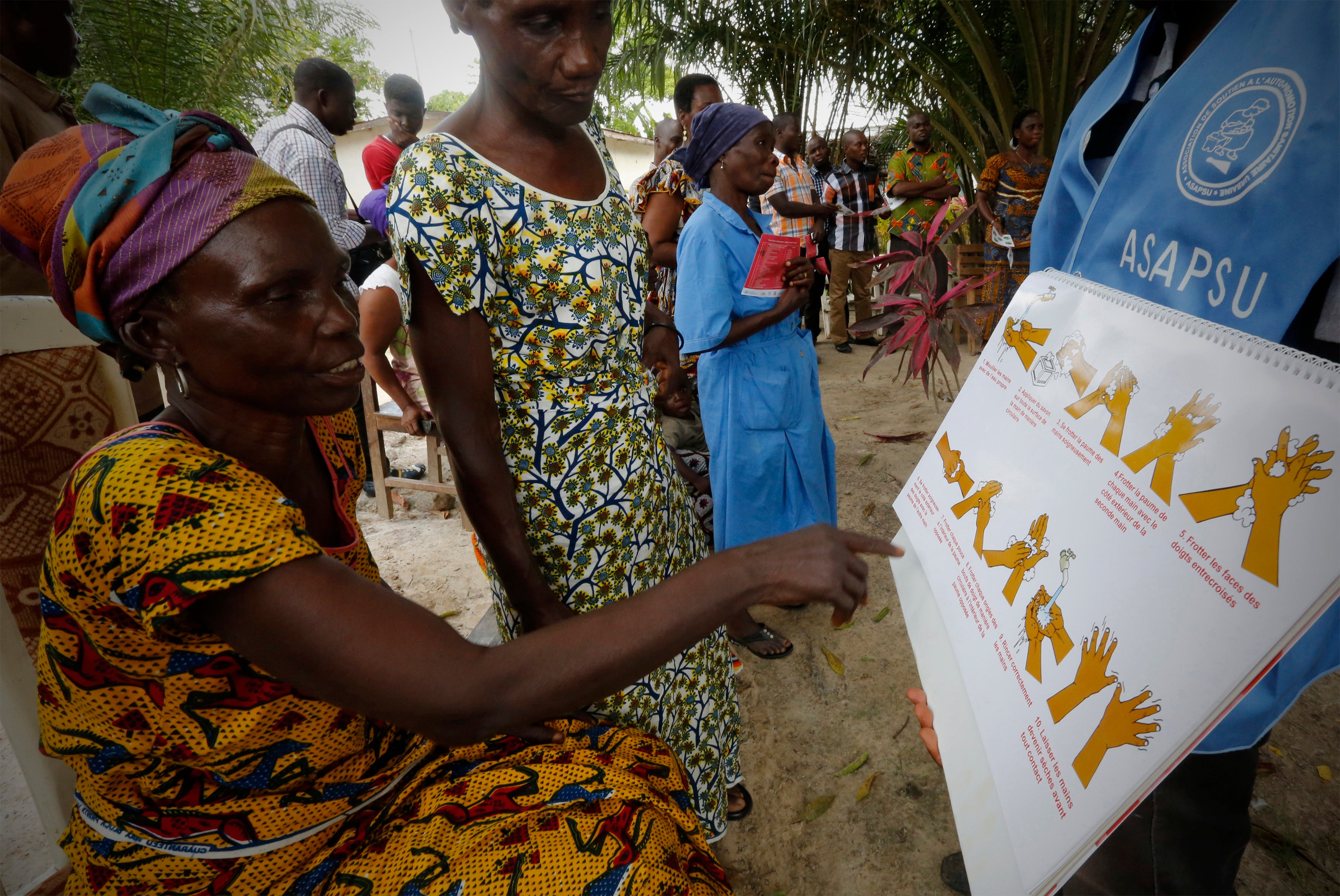
The healthcare system strain makes the situation worse. Health facilities across the five affected provinces have redirected staff and supplies to the Ebola response, leaving pregnant women with even fewer options for essential maternal care services. At least 44 health workers have died from Ebola, while others have abandoned their posts, protesting inadequate pay and missing supplies. The response itself has been hampered by severe funding shortages and difficult operating conditions in a remote region marked by ongoing armed conflict.
Congo already has among the world’s highest maternal mortality rates. At least 19,000 women died from pregnancy complications in 2023 alone, according to United Nations data, second only to Nigeria globally. Women in Congo average nearly six children in their lifetimes. Into this fragile healthcare landscape, the Ebola outbreak has introduced unprecedented disruption.
At one Bunia clinic, monthly prenatal consultations plummeted from approximately 60 patients to around 10 following the outbreak declaration. Delivery services too have been affected, with pregnant women avoiding facilities even as they approach their due dates and increasingly rely on traditional birth attendants or attempt deliveries at home—often with catastrophic results.
Humanitarian organizations warn that this “shadow crisis” of maternal deaths will have long-term consequences for Congo’s health system and population. The challenge of rebuilding trust and ensuring women can safely access care will persist long after the Ebola outbreak is contained. For now, in eastern Congo, a dangerous duality persists: the visible emergency of an unprecedented Ebola outbreak, and the hidden emergency of pregnant women dying from preventable childbirth complications born of fear, misinformation, and systems already stretched to their breaking point.