

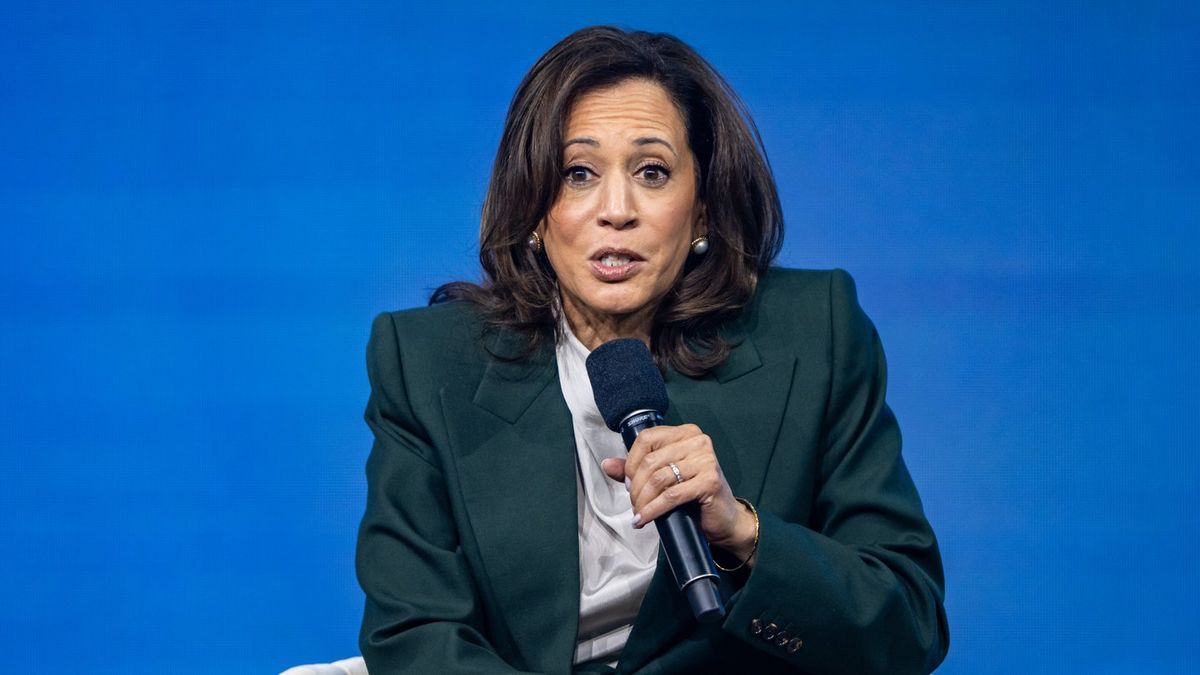
Kamala Harris has addressed the prospect of another presidential run while also urging what she described as a “real conversation” about reshaping key American institutions.
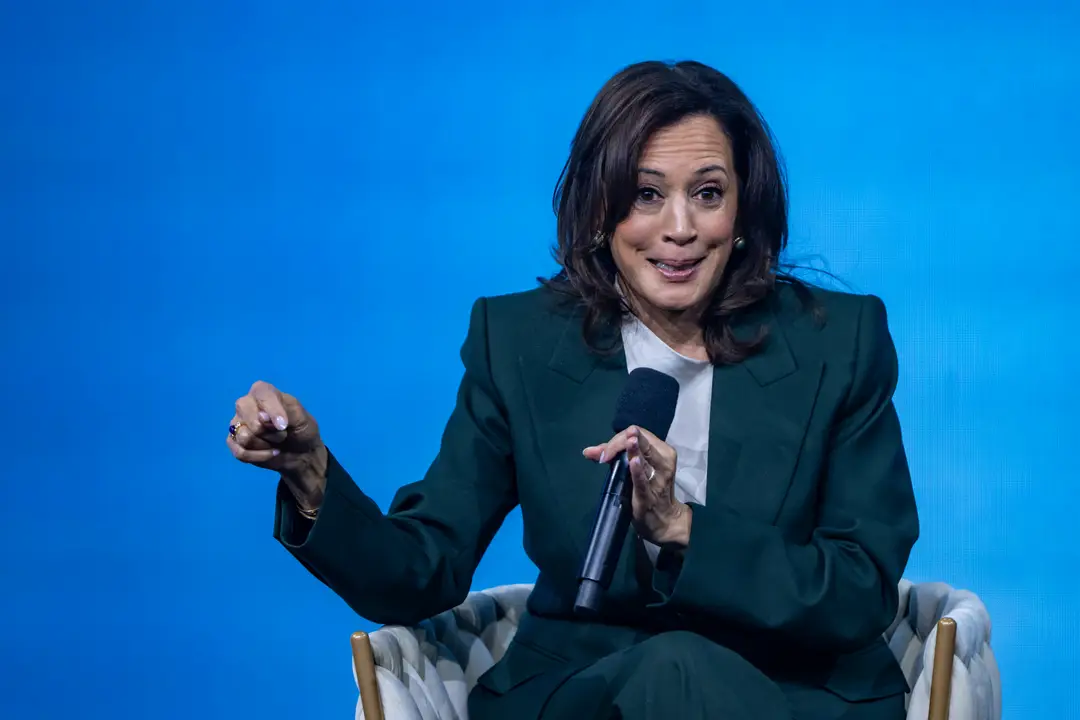
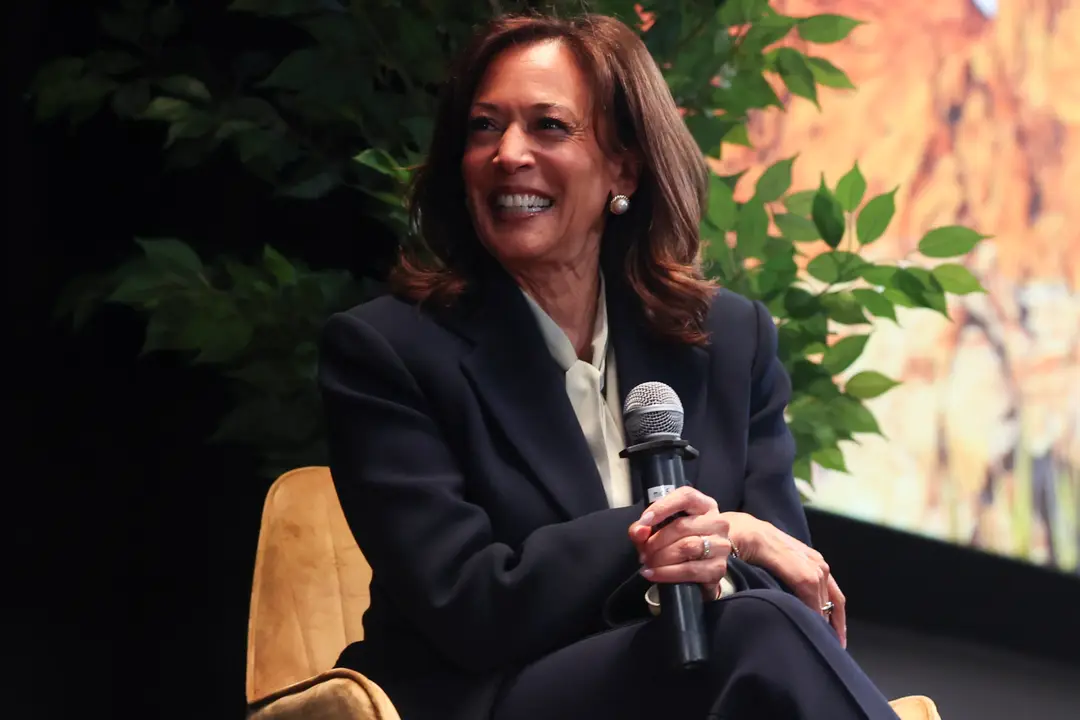
Speaking on July 31 at the National Urban League Conference in Nashville, Tennessee, the former Democratic presidential nominee appeared in conversation with National Urban League CEO Marc Morial.
During the discussion, Harris touched on the political climate in the US, outlined ideas for reform, and responded to questions about a possible 2028 campaign. She also raised proposals involving both the Supreme Court and the Electoral College. These positions represent a notable shift from her 2024 presidential campaign, when she did not advocate for abolishing the Electoral College and instead supported Supreme Court term limits and a binding ethics code for justices rather than court expansion.
“We need to revisit the point of expanding the court to 13 justices like we have 13 district courts.”
The US Supreme Court currently consists of nine members, including one chief justice and eight associate justices.
Because the size of the court is determined by Congress, the change Harris referenced would mean adding four new seats.
At present, the court has a conservative majority, with six justices generally seen as conservative. Three of those were nominated by Donald Trump.
Harris went on to say:
“We need to revisit, if they so want, statehood for Puerto Rico and D.C.”
Washington, D.C. Remains a federal district rather than a state, while Puerto Rico is classified as an unincorporated US territory.
Because both have often been viewed as more favorable to Democrats, granting statehood to either could potentially shift the electoral landscape in the party’s favor. Harris previously supported statehood for Washington, D.C., during her 2024 campaign, but had not publicly backed Puerto Rico statehood as part of that platform.
Changes to the court’s makeup could also have major implications for future rulings, especially after decisions such as the reversal of Roe v Wade highlighted the impact of the current ideological balance.
Before turning to the court specifically, Harris acknowledged that another of her views would likely draw criticism.
“I know this is going to be controversial coming from me in particular, we need to revisit the Electoral College.”
The Electoral College has long been a point of tension for many progressive Democrats, though presidential candidates often tread carefully around the subject because of how deeply it affects election outcomes. Harris’s comments come after her loss to Trump in the 2024 presidential election, where she lost both the Electoral College and the popular vote, with the final Electoral College tally at 312 to 226.
During her speech, Harris also called for greater accountability for federal judicial nominees, arguing that nominees who intentionally mislead the Senate Judiciary Committee should face consequences. Harris served on the Senate Judiciary Committee during her time in the Senate as only the second Black woman to do so.
The proposals Harris outlined would face significant legal and political challenges. Abolishing or restructuring the Electoral College would require a constitutional amendment, while expanding the Supreme Court would need congressional action. Statehood for Washington, D.C., and Puerto Rico would also require congressional approval and, in Puerto Rico’s case, the determination of the territory’s voters regarding what status they actually want.
Harris’s remarks come at a time when she has been reaching out to progressive Democrats, including communications with New York City Mayor Zohran Mamdani and pro-Palestinian activists, signaling an effort to court the Democratic Party’s progressive wing ahead of a potential 2028 campaign. Democratic aides and strategists have suggested she is the leading contender for the party’s 2028 presidential nomination.
As for whether she intends to seek the presidency again, Harris made clear that no final call has been made.
“I am fully, sincerely, focused on these midterms.”
The 2026 midterm elections, scheduled for November 3, will determine control of the House and Senate, where Democrats need to gain a net of four seats to win a House majority. Harris’s remarks come approximately six months before the first major organizing stretch of the 2028 presidential cycle.