

—
Two people have died in Michigan’s cyclosporiasis outbreak, marking the first deaths from the parasitic illness in the United States, state health officials announced Monday. The deaths represent a grim milestone in what has become the largest cyclosporiasis outbreak ever recorded in the country.
The Michigan Department of Health and Human Services said both individuals had underlying health conditions that may have been impacted by the intestinal illness and the severe dehydration it causes. State officials declined to provide additional information about the two cases, citing privacy concerns.
Cyclosporiasis is generally not considered a life-threatening illness, making these deaths unusual. The condition is caused by Cyclospora cayetanensis, a microscopic parasite that infects the small intestine and typically causes watery diarrhea with frequent, sometimes explosive bowel movements. Symptoms can include loss of appetite, weight loss, stomach cramps, bloating, increased gas, nausea, and fatigue.
Michigan has borne the brunt of the 2026 outbreak. As of Monday, the state had reported 11,234 confirmed cases and 193 hospitalizations tied to the cyclosporiasis outbreak. The scale of the outbreak is staggering—about one in every 1,000 people in Michigan has contracted cyclosporiasis over the past three months. Michigan’s case count far exceeds that of any other state and has outpaced the numbers reported by the Centers for Disease Control and Prevention.
Nationally, the outbreak has reached record proportions. The CDC has identified more than 4,100 confirmed cases and is investigating more than 7,400 other likely cases across 41 states. When combined, confirmed and probable cases exceed 18,000 infections, dwarfing previous years’ totals. In 2025, the entire year saw only 2,700 cyclosporiasis cases nationally.

Federal health officials have linked a major cluster of cases spanning five states to shredded iceberg lettuce served at Taco Bell restaurants. The lettuce supplier, Taylor Farms de Mexico, issued a voluntary recall in mid-July of all iceberg lettuce sourced from central Mexico. The recall covered products distributed from June 29 through July 16 across 27 states to food service customers and retail locations, including Walmart stores under the Marketside brand.
The FDA initially reported that a sample of Taylor Farms lettuce tested positive for cyclospora, but later said that result was a false positive. However, federal officials maintain there is overwhelming epidemiological evidence linking Taylor Farms lettuce to the outbreak. During interviews with sick people, about 90 percent of those who ate at affected Taco Bell locations reported consuming iceberg lettuce.
The investigation has identified the parasite as originating from a specific farm in central Mexico that represents less than one percent of the U.S. Iceberg lettuce supply. Federal health officials have specifically warned people to avoid shredded iceberg lettuce from Taylor Farms de Mexico served at Taco Bell locations in Indiana, Kentucky, Michigan, Ohio, and West Virginia.
Beyond the Taco Bell-linked outbreak, investigators are tracking multiple other cyclosporiasis clusters across the country, some with unknown sources. The CDC says cases have been reported in 47 states and Washington D.C. Many of these additional cases may be unrelated to the lettuce contamination.
Cyclospora spreads through food or water that has come into contact with human feces, most commonly when produce is irrigated or washed with contaminated water. The parasite cannot spread directly from person to person. After ingestion, symptoms typically appear between two days and two weeks later, though they can take longer to develop.
Treatment for cyclosporiasis involves antibiotics, particularly trimethoprim-sulfamethoxazole, also known as Bactrim. Many people with healthy immune systems recover on their own, though recovery can take weeks. Those with underlying health conditions face greater risk of severe complications.
The illness is typically seasonal, with cases rising during spring and summer months, usually from May through August. However, 2026 has seen dramatically higher case counts than typical seasons. The previous record for cyclosporiasis cases in a single year was approximately 4,500 in 2023.
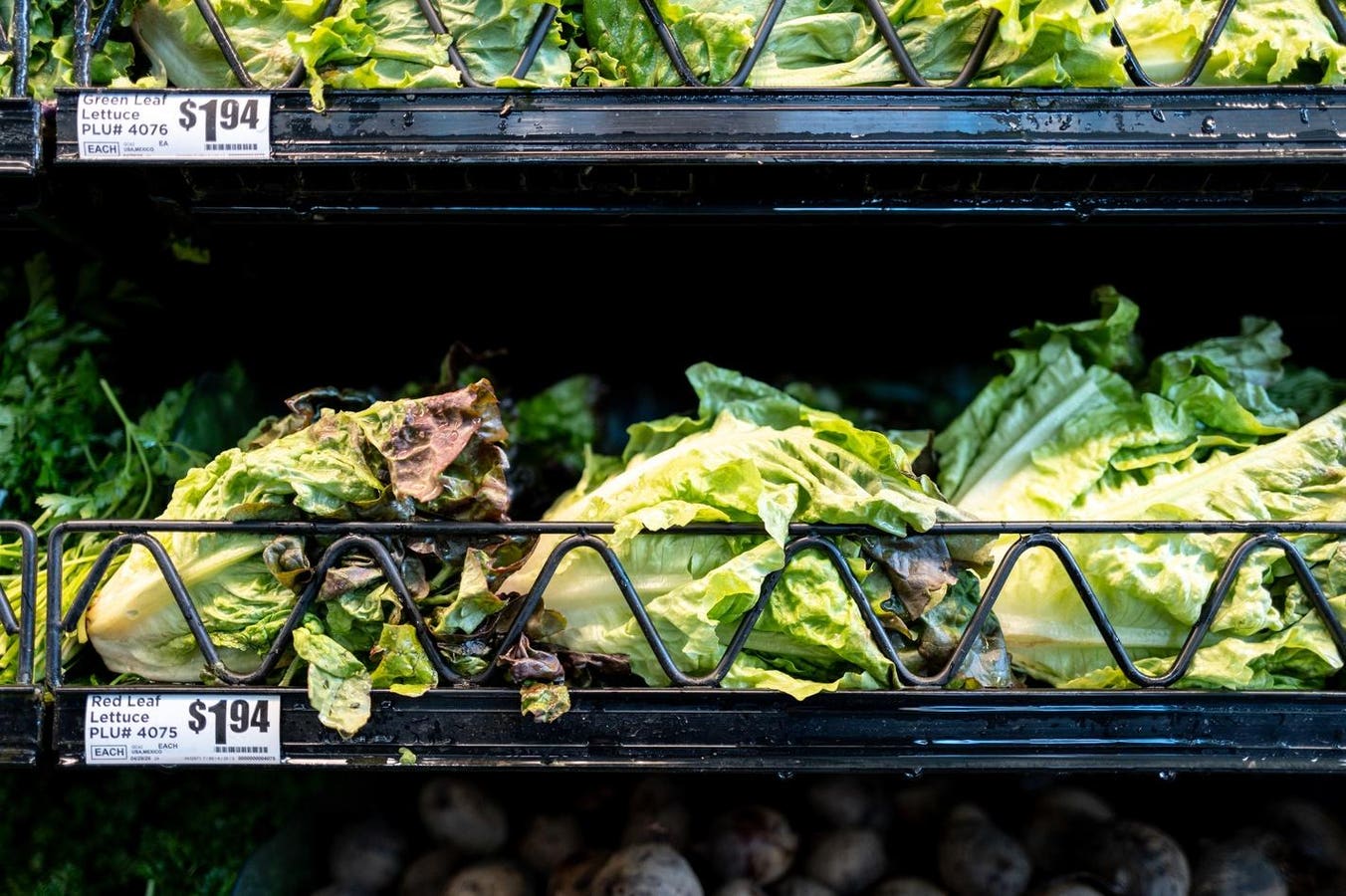
Health officials recommend several precautions to prevent infection. People should purchase whole heads of lettuce rather than pre-washed bagged lettuce or pre-mixed salad kits, and should discard the outer two to three layers of leaves before preparation. The remaining inner leaves should be thoroughly washed under clean running water.
The CDC continues to investigate the outbreak and urges healthcare providers to specifically request Cyclospora testing for patients presenting with prolonged or relapsing watery diarrhea, particularly during the summer months. The parasite is often missed in routine stool samples without specific laboratory testing.