

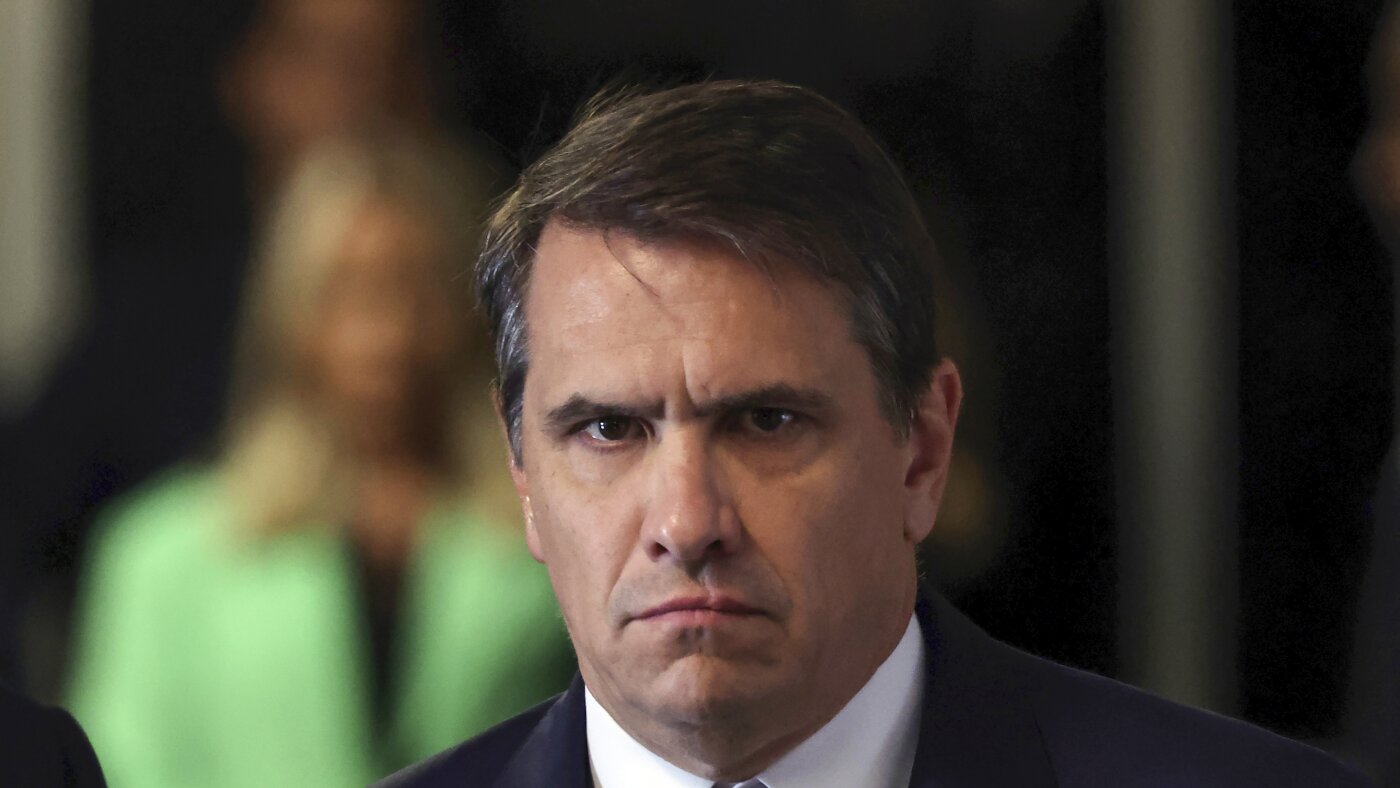
Todd Blanche’s path to confirmation as attorney general cleared a major hurdle this week after he formally rescinded a controversial $1.8 billion fund and agreed to clarify the scope of a tax audit immunity provision that had held up his nomination in the Senate. With the backing of two holdout Republican senators, Blanche’s nomination is now poised to advance out of committee and toward a full Senate vote.
The deal, struck late Sunday, resolved a dispute that had threatened to derail the nomination of Trump’s former personal attorney. Republican Senators John Cornyn of Texas and Thom Tillis of North Carolina announced they would support advancing Blanche’s nomination after the Justice Department agreed to their demands. Cornyn and Tillis had blocked progress on the nomination, demanding written assurances about two controversial elements of a settlement Trump negotiated with the Internal Revenue Service.
The settlement stemmed from a $10 billion lawsuit Trump filed against the IRS over the leak of his tax returns. As part of that settlement, the administration created two controversial provisions: the “anti-weaponization fund” and a tax audit immunity order. The anti-weaponization fund was designed to compensate people who believed they were wronged by the Justice Department, though concerns emerged that it could have provided payouts to individuals involved in the January 6 Capitol riot.
Blanche, who has served as acting attorney general since April, formally rescinded the anti-weaponization fund Sunday night in a written document stating it had “no force or effect.” He also posted a second document clarifying the scope of the tax audit immunity deal, which grants Trump, his adult children, and their business entities protection from IRS audits related to tax returns filed before the settlement was reached.
The concession came after weeks of tense negotiations. Cornyn had repeatedly demanded written clarification that the immunity agreement applied only to existing audits and would not shield the president from examination of future tax filings. In a statement released by his office, Cornyn’s spokesperson said the senator had reached an agreement that made clear in a binding written document that the audit settlement was limited to “only the plaintiffs, including the President, and the IRS.”
Tillis, who had called the anti-weaponization fund a “payout pot for punks,” also expressed satisfaction with Blanche’s moves. Both senators said they now looked forward to voting for Blanche’s confirmation.
The tax audit immunity provision has drawn intense scrutiny. According to analysis by the outlet, Trump’s potential tax bill from the period in question could be as high as $100 million. Legal experts have questioned whether the attorney general possesses authority to grant such immunity in the first place. A federal judge previously ruled in July that Trump had engaged in self-dealing through the lawsuit and expressed concern about Blanche signing the settlement given his prior representation of the president.
The settlement also faced legal challenges. A federal court voided the anti-weaponization fund in July, though Trump appealed that decision. The underlying immunity provision remains contested in court as well, with Trump’s appeal still pending.
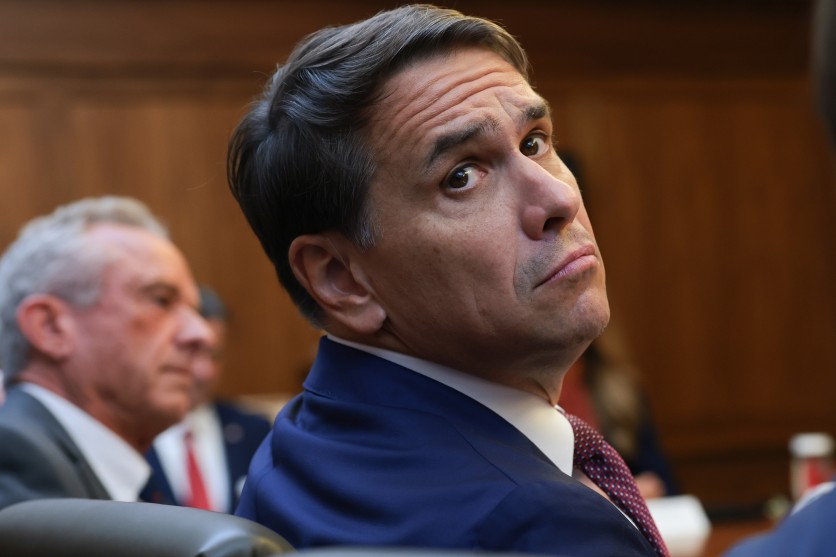
Despite securing support from Cornyn and Tillis on the Senate Judiciary Committee, questions linger about the actual scope of the immunity deal. Some legal analysts have noted that the documents Blanche posted may merely reflect his interpretation of existing orders rather than formally narrowing the scope of who receives protection. Democrats on the committee have opposed Blanche’s nomination, with civil rights groups expressing concern about his record and potential politicization of the Justice Department.
The Senate Judiciary Committee was scheduled to vote on advancing Blanche’s nomination on Tuesday following the deal. If approved by the committee, Blanche would still need confirmation from the full Senate, where Republicans hold a 53-47 majority. Senate leadership indicated it hoped to complete his confirmation before the Senate’s scheduled August recess, though scheduling remained fluid.
Blanche’s path to attorney general has been unusual. He previously served as deputy attorney general after his confirmation in March 2025 by a 52-46 party-line vote. He became acting attorney general in April after replacing Pam Bondi in that role. Before entering government, Blanche spent years as Trump’s criminal defense attorney, representing the president in multiple cases including the Manhattan hush money trial that resulted in a conviction on 34 felony counts.
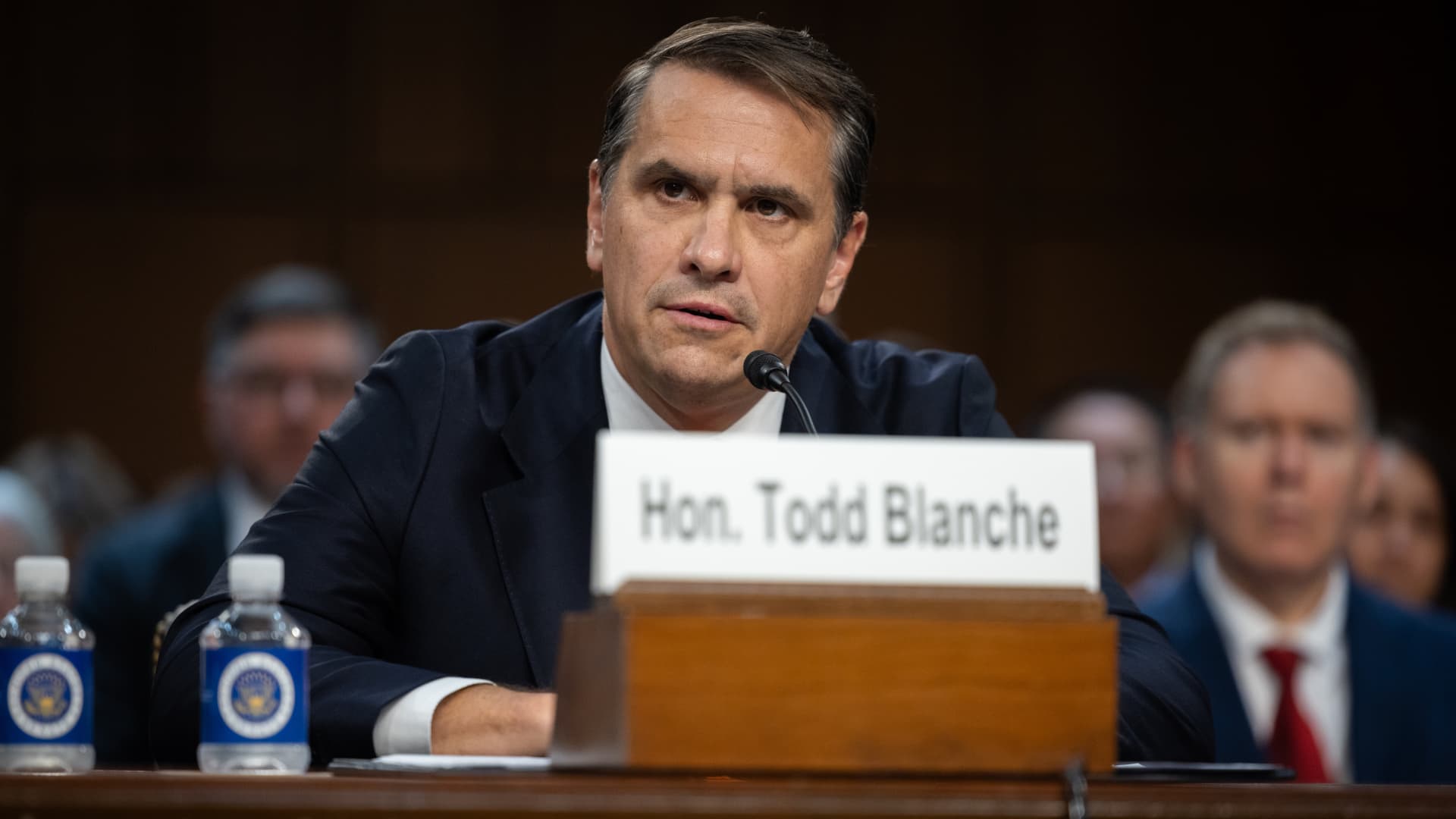
Throughout the confirmation process, Democrats and civil rights organizations have raised concerns about potential conflicts of interest and whether Blanche would prioritize Trump’s interests over the department’s independence. During his confirmation hearing, Blanche dodged questions about whether he would recuse himself from reviewing cases he directly handled as Trump’s attorney. The controversy over the IRS settlement and anti-weaponization fund only intensified those concerns about the politicization of the Justice Department under his leadership.
The immunity order has remained in effect throughout the dispute. Despite Cornyn’s and Tillis’s efforts to limit its scope and gain written assurances, legal experts note that no formal new order has been issued that officially narrows the immunity provision. The clarifications Blanche provided came in documents stating his interpretation of existing orders rather than through revised legal orders with binding force.