


Eli Lilly is preparing to offer a small group of patients early access to its experimental obesity treatment Retatrutide, also known as Reta, before the drug receives approval from the US Food and Drug Administration.
Just six weeks after a 79-year-old patient was granted advance access to the medication, the company has now said additional people may be considered under the same route.
A spokesperson said in a statement: “For a limited number of patients who meet specific medical criteria and cannot enrol in a clinical trial, we believe it is medically appropriate to make authentic Retatrutide available before FDA approval, consistent with FDA’s guidance.”
Retatrutide has been nicknamed the ‘Godzilla’ weight-loss drug, though it remains under investigation and has not yet been cleared by the FDA.
Results shared by Lilly after an 80-week study that ended in July showed that patients with severe obesity and existing heart disease lost roughly 22.6 percent of their body weight while taking the drug. The broader TRIUMPH-1 trial, which evaluated retatrutide in 2,339 adults with obesity, showed even more dramatic results: those taking the highest 12-milligram dose achieved an average weight loss of 28.3 percent of body weight, with approximately 45 percent of participants losing at least 30 percent of their body weight.
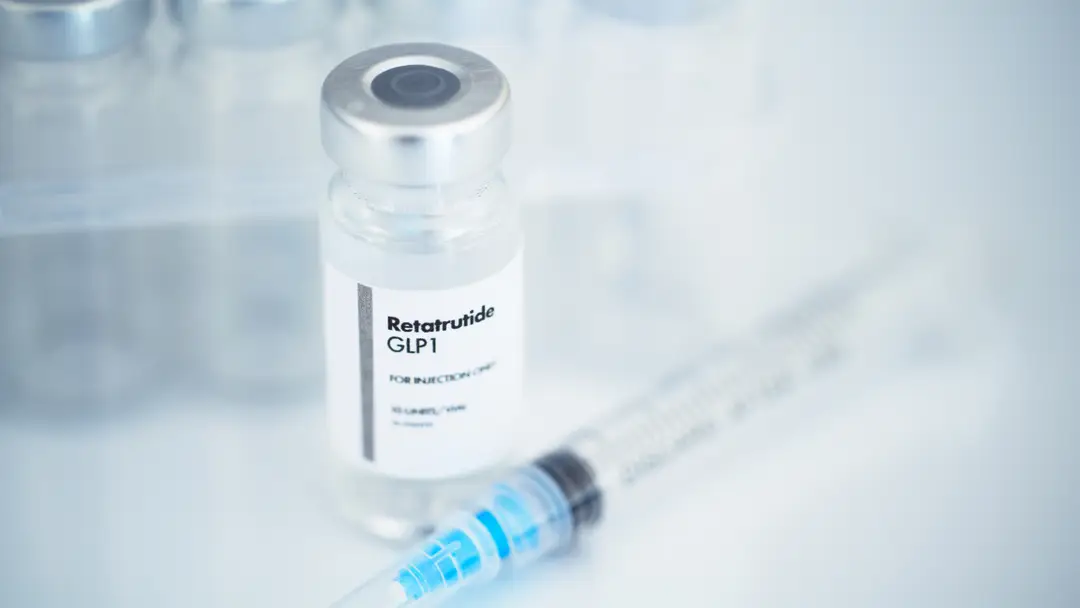
The company also said it has established an expanded access program and is currently assessing applications submitted by healthcare professionals. Eli Lilly confirmed on August 3, 2026, that the formal compassionate use program requires four criteria most patients cannot meet, including failure to improve despite the highest approved dose of weight-loss medicine and two life-threatening complications.
To qualify, patients must be at least 18 years old, have obesity that has not improved despite the highest approved dose of weight-loss medicine, and be receiving treatment for at least two serious or life-threatening obesity-related conditions.
Retatrutide is designed to act on three separate metabolic hormones: GLP-1, GIP and glucagon.
The National Library of Medicine explains that GLP-1 medications help people stay full for longer by slowing the rate at which food leaves the stomach. GIP works alongside that process by prompting the pancreas to release more insulin when blood sugar rises after meals, which can also help curb hunger and cravings.

Glucagon has its own role as well, helping manage blood sugar while signaling the body to break down stored fat and use it as fuel, which may further support weight loss.
That three-part mechanism is the reason Reta has earned its dramatic ‘Godzilla’ label.
Dr. Cecilia Low Wang, a UCHealth expert on endocrinology, diabetes and metabolism, said: “We’ve never had a triple-agonist medication. So, this is completely new, and Retatrutide seems to be more potent.”
Lilly expects to submit Retatrutide for FDA approval during the first quarter of 2027. Following FDA submission, approval is most likely expected in late 2027, with commercial availability potentially following in early 2028.
People currently using the drug in trials have also been discussing side effects online, including in a Reddit thread where several users described their experiences.
“Fatigue, nausea, insomnia, GERD [gastroesophageal reflux disease], dry mouth,” wrote one, which mirrors a lot of other people’s experiences when they start a GLP-1 drug.
Another user added: “First few days after my shot I get severe diarrhea, gas and bloating with the occasional nausea.”

And a third echoed: “First 2mg dose basically gave me food poisoning symptoms for 2 days. Diarrhea and nausea after eating. Next shot will be 1mg and I’ll see how I feel from there.”
In an earlier comment about the drug, Eli Lilly said: Retatrutide is an investigational, once-weekly, triple hormone receptor agonist, which activates the body’s receptors for glucose-dependent insulinotropic polypeptide (GIP), glucagon-like peptide-1 (GLP-1), and glucagon.
“It is an investigational molecule and cannot legally be sold to the public. It has not been reviewed or approved by any regulatory agency in the world. No one should consider taking anything claiming to be retatrutide outside of a Lilly-sponsored clinical trial. The company continues to warn the public about the potential dangers of fake medicines.