

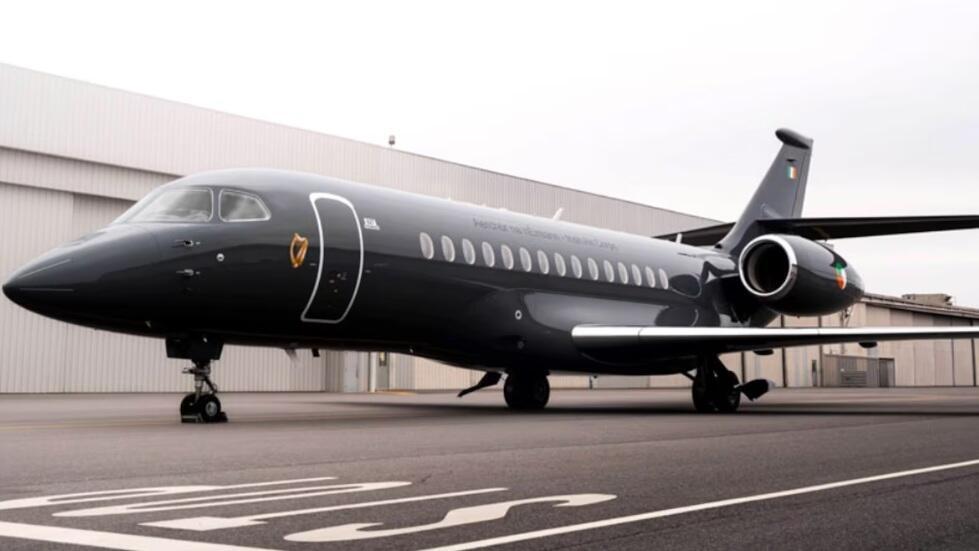
Ireland’s €53 million government jet was delivered without a key piece of landing technology manufactured by Israeli defence company Elbit Systems, the FalconEye enhanced vision system designed to help pilots land in poor visibility, including heavy fog.
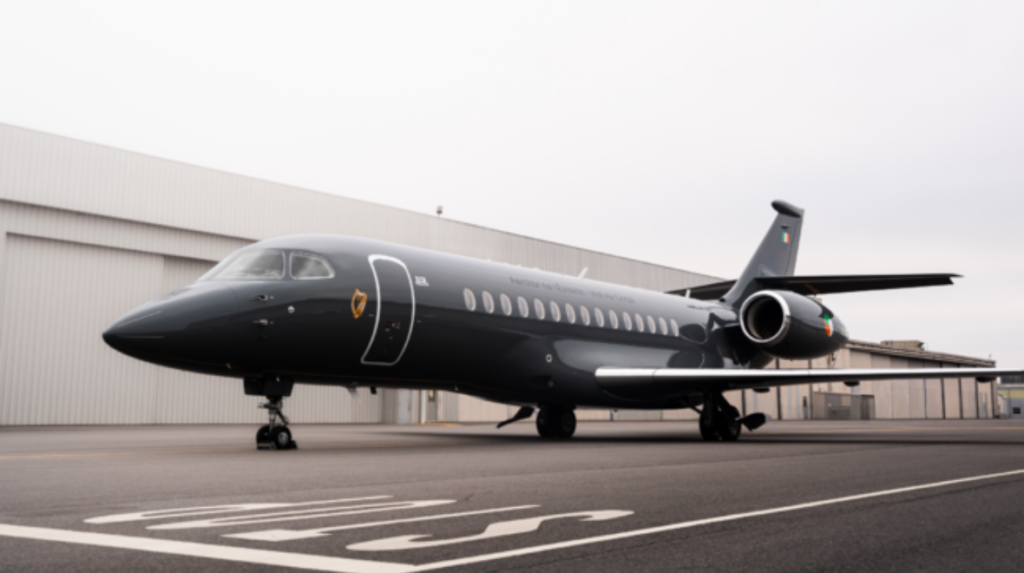
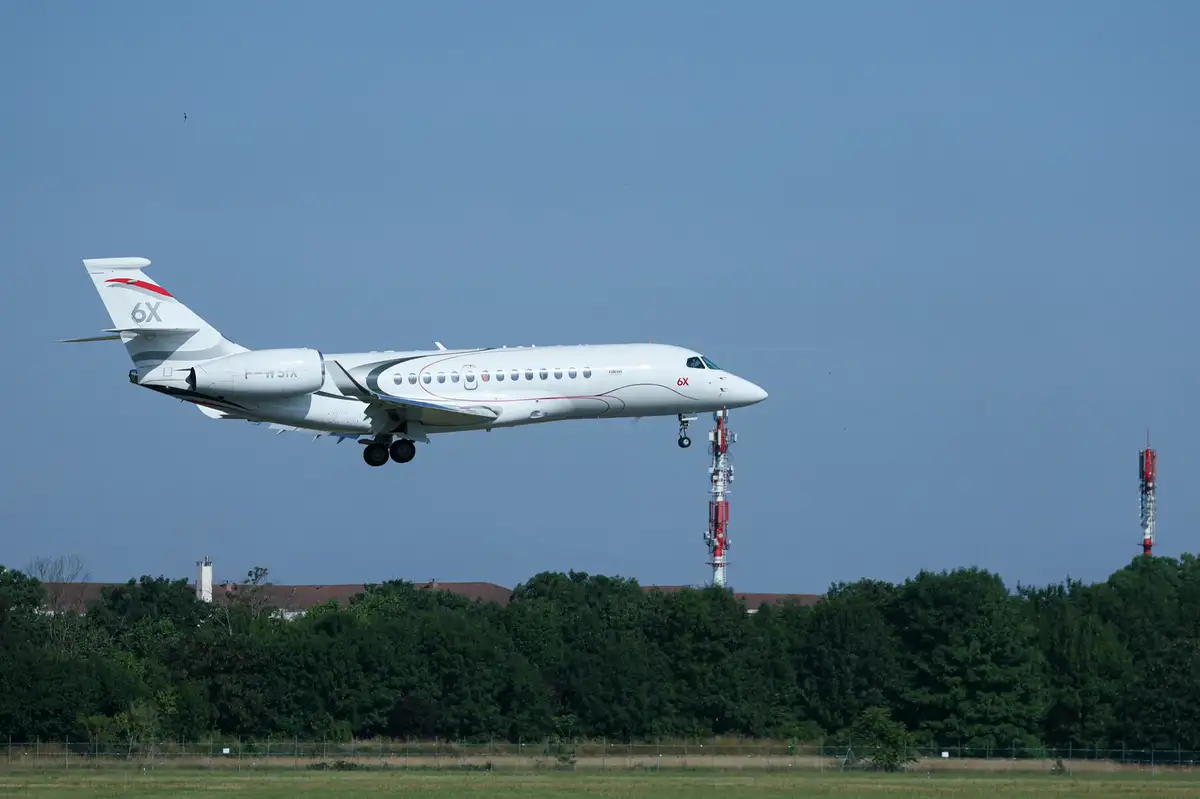
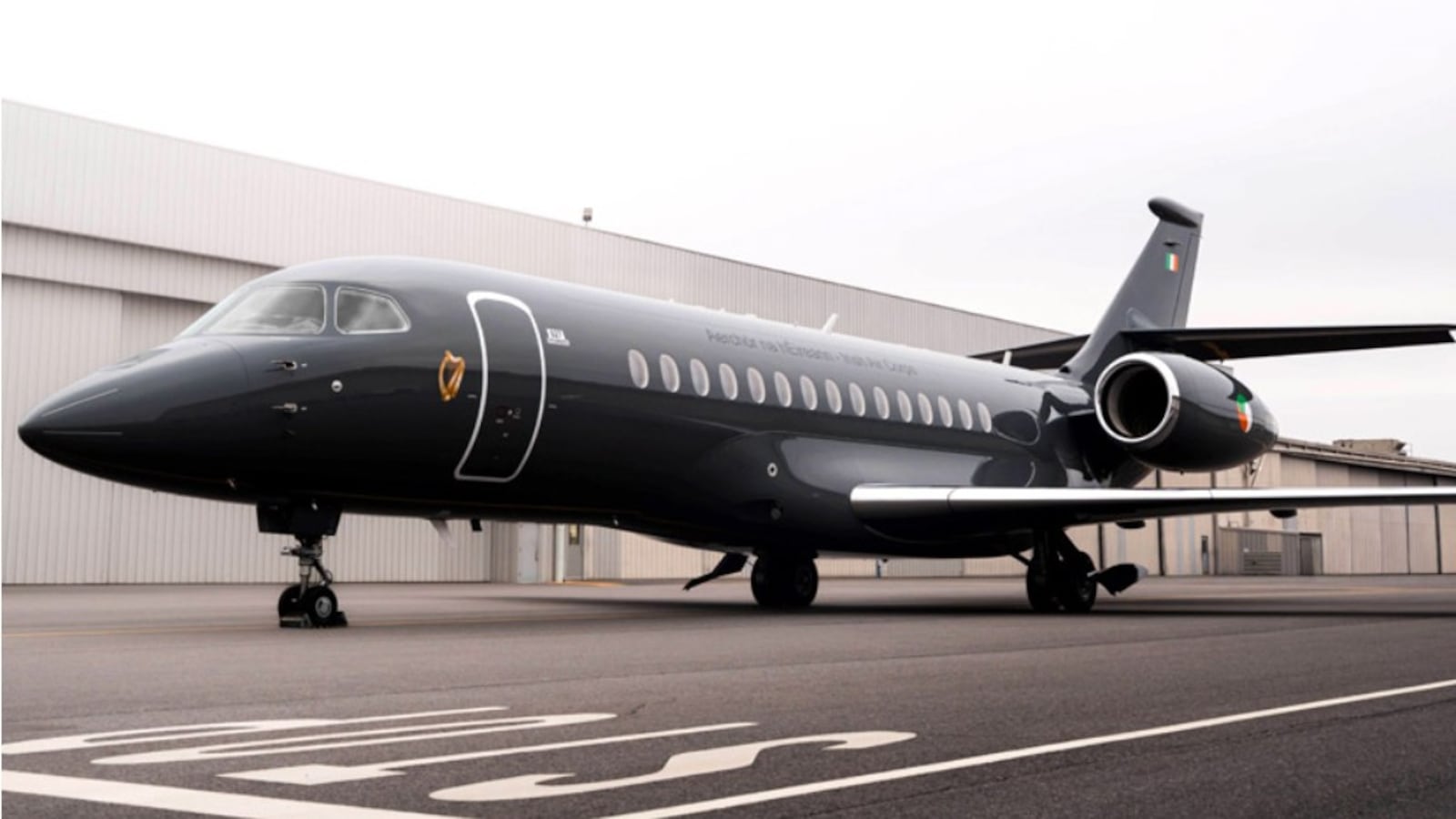
The 14-seat Dassault Falcon 6X was delivered just before Christmas last year to replace the government’s ageing Learjet and is primarily used to transport the Taoiseach and ministers, while also carrying out long-range air ambulance missions.
Multiple sources told The Journal that the system was excluded because purchasing it would have required the Irish State to enter into a direct procurement agreement with Elbit Systems.
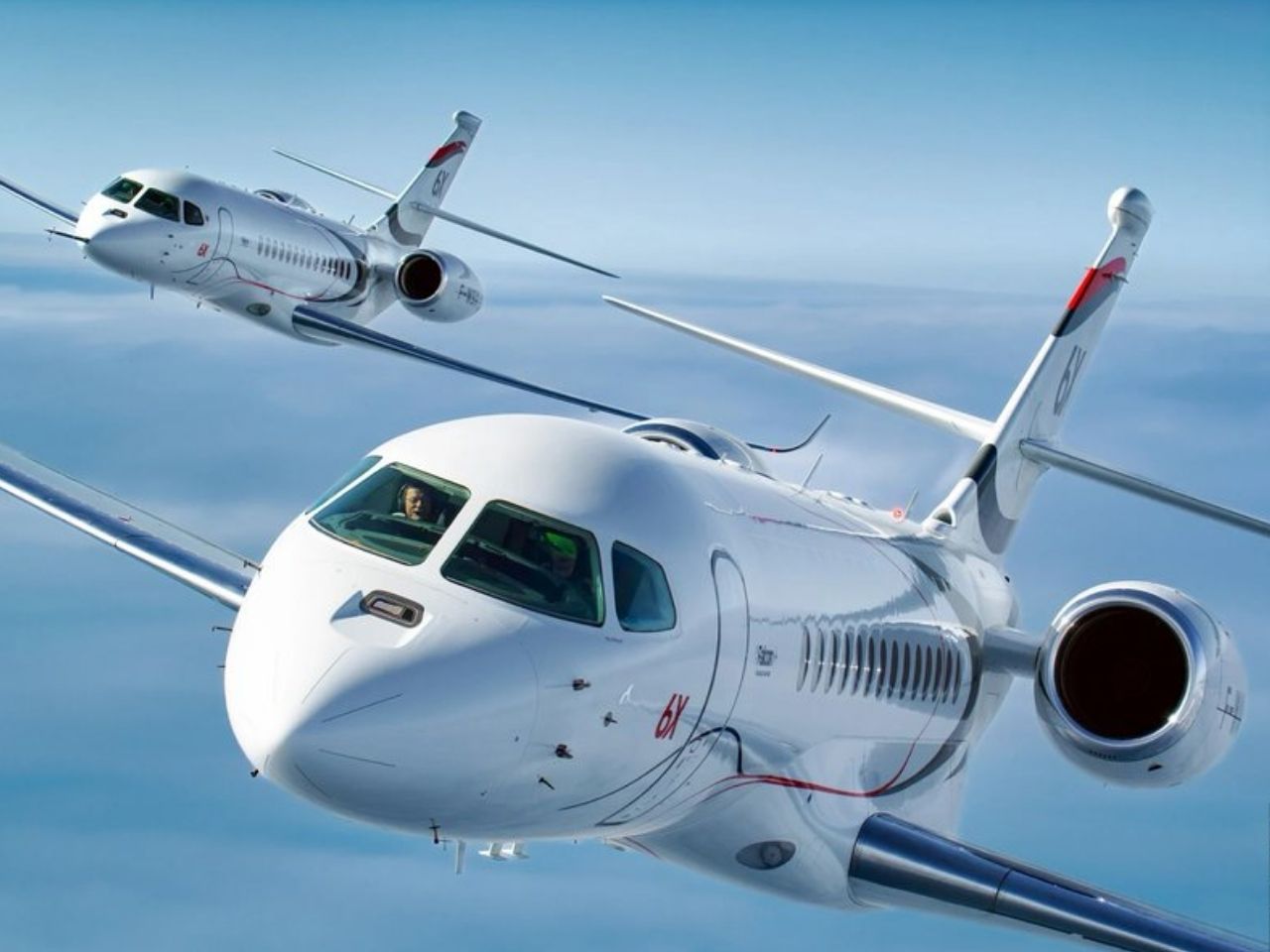
FalconEye uses infrared cameras and sensors to help pilots land in poor visibility, with Dassault saying it provides ‘unprecedented all-weather situational awareness’.
Former Irish Air Corps pilot Kevin Phipps explained the system’s ability in plain terms.
“The operational benefit of this system is the ability to land in fog when other aircraft would have to divert to another airport,” he said.
Sources familiar with the aircraft said the absence of FalconEye does limit the options available to pilots when operating in poor weather, an issue that comes amid Ireland’s policy on purchasing Israeli-made defence technology. In 2024, then Tánaiste and Defence Minister Micheál Martin said Ireland would not purchase equipment containing Israeli-manufactured products following the conflict in Gaza and growing political pressure to reduce trade links with Israel.
The difference with the Falcon 6X is that it would have required the Irish government entering into a written agreement with Elbit, and procurement officials in Ireland determined this was a step too far for the Irish State and asked that the system not be included.
The Department of Defence pushed back against the criticism in a formal statement.
Ireland’s Department of Defence rejected suggestions that the missing system had significantly impaired the aircraft, saying there were “no current limits on the operational capability of the aircraft.”
However, aviation experts and sources disagreed with that assessment.
The situation carries extra weight given Ireland’s climate.
The decision reflects a broader Irish government stance.
The decision comes against the backdrop of Ireland’s increasingly hostile political stance toward Israel and pressure within the country to restrict purchases from Israeli defense companies over the war in Gaza. Martin said in 2024, when serving as foreign minister and defense minister, that Ireland would not purchase equipment containing Israeli-manufactured components, and the Irish government has also pushed for tougher European Union measures against Israel and has supported efforts to suspend parts of the relationship between Israel and the bloc.
Notably, not all Israeli technology could be removed from Irish military acquisitions.
Four new Irish Air Corps helicopters did come with flight systems manufactured by Airbus and Elbit – as the craft cannot be built without them.
It has also been confirmed that the new maritime patrol CASA 295 aircraft have Israeli manufactured radar on board, and the Air Corps is also expected to take delivery of a third CASA 295, also built by Airbus, which will be a cargo variant, later this year.
The inconsistency drew attention from multiple sources.
Multiple sources identified that the reason the system was not included on the aircraft was because it is manufactured by an Israeli company called Elbit.
The story highlighted how Ireland’s €53 million jet purchase embodied a contradiction in its Israeli technology boycott policy.
Multiple sources confirmed to The Journal that a piece of equipment used to help land in fog or other inclement conditions was not included in the plane, and in August 2024 Micheál Martin, then Tánaiste and minister for defence and foreign affairs, said that Ireland would not be purchasing kit which contains Israeli manufactured products, a decision that came in response to the genocide in Gaza but also a widespread campaign to halt Irish trade with Israel.
The exclusion of FalconEye raised questions about how Ireland’s policy would be enforced across future defence purchases as the nation moves forward with modernizing its military capabilities.