

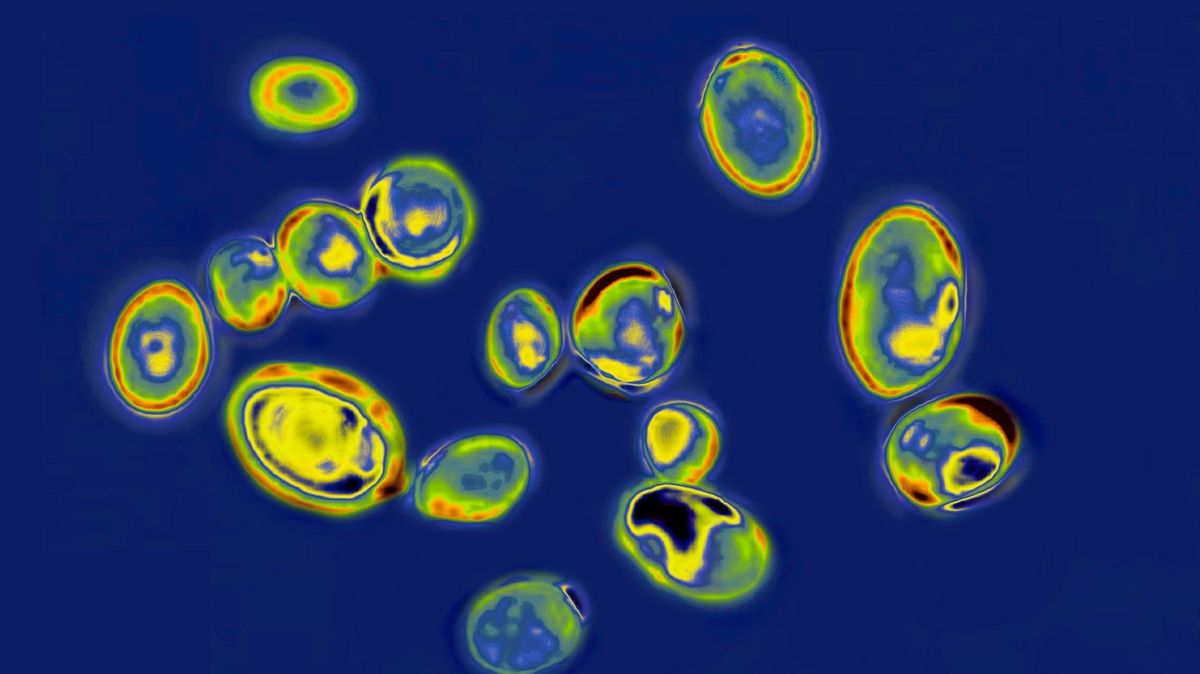
US health officials are sounding the alarm over a hazardous drug-resistant fungal infection that has now been identified in 23 states, with specialists warning that certain forms are no longer responding even to last-line treatments.
The Centers for Disease Control and Prevention (CDC) says the growing concern centers on Candida auris, an invasive yeast capable of triggering serious and potentially fatal infections in the bloodstream, wounds, and ears.
Although most healthy people are considered unlikely to become seriously ill, the threat is far greater for people in hospitals, nursing homes, and other care settings, especially those using catheters, ventilators, central lines, or other invasive medical equipment.
One reason Candida auris has become such a serious concern is that it can persist on surfaces in healthcare environments for long periods, making it harder to contain. It is also known for resisting many commonly used antifungal drugs.
“Candida auris is a major public health concern because it can cause severe infections with high mortality rates, and it spreads easily between patients in healthcare facilities,” public health guidance cautions.
“Alarmingly, some strains have developed resistance to all three major classes of antifungal medications, including echinocandins—our primary last-resort treatment.”

CDC surveillance figures indicate that more than one in three people who develop an invasive Candida auris infection do not survive. However, the Cleveland Clinic has noted that many of those patients already have major underlying health problems, which can increase their vulnerability. Research on attributed mortality shows wide variation, ranging from 17% to 70% depending on factors including patient age, immune status, and the specific strain involved.
Doctors can face major challenges when treating the fungus because standard therapies may not work. In some situations, clinicians must use combinations of antifungal medicines or turn to newer, less established treatment options.
Diagnosis can also be complicated. Confirming Candida auris often requires specialist lab testing, and if it is confused with a more routine yeast infection, treatment may be delayed.
Recent data shows that most cases affect patients over 45 years old, with the majority being men in acute care settings. As of mid-July 2026, Texas has reported more than 700 known cases, while Michigan has reported 503 cases. Colorado has reported 13 cases. Nearly half of all U.S. States have now reported cases to the CDC in 2026 alone.
In response, health agencies in affected states are working closely with hospitals and long-term care centers to tighten infection prevention measures. These steps include stronger cleaning practices, isolating infected patients, and carrying out screening programs.
“It is resistant to major antifungal drugs, making it difficult to treat,” the CDC warns on its official health advisory portal, adding that the fungus “can spread in healthcare settings and cause severe infections in patients with complex medical conditions.”
Because of that risk, authorities are continuing to stress the importance of strict infection control procedures in healthcare facilities, including improved disinfection, patient separation, and ongoing screening.
Experts say the immediate danger to the wider public remains low during normal day-to-day life.
Even so, people with weakened immune systems, patients spending extended periods in hospital, and those receiving intensive antibiotic or antifungal treatment are being encouraged to make sure proper hygiene and infection control standards are being followed in their care settings.
Scientists are actively working on vaccine candidates to combat the pathogen. The Lundquist Institute and Vitalex Biosciences announced plans to advance development of a fungal vaccine candidate known as VXV-01, which is moving toward Phase I clinical evaluation. Other research groups are also investigating pan-fungal vaccine approaches that could protect against multiple dangerous fungi, including Candida auris.
As officials continue tracking cases across all 23 affected states, the CDC says strong infection prevention in healthcare environments remains the most important tool for limiting any further spread.