

—
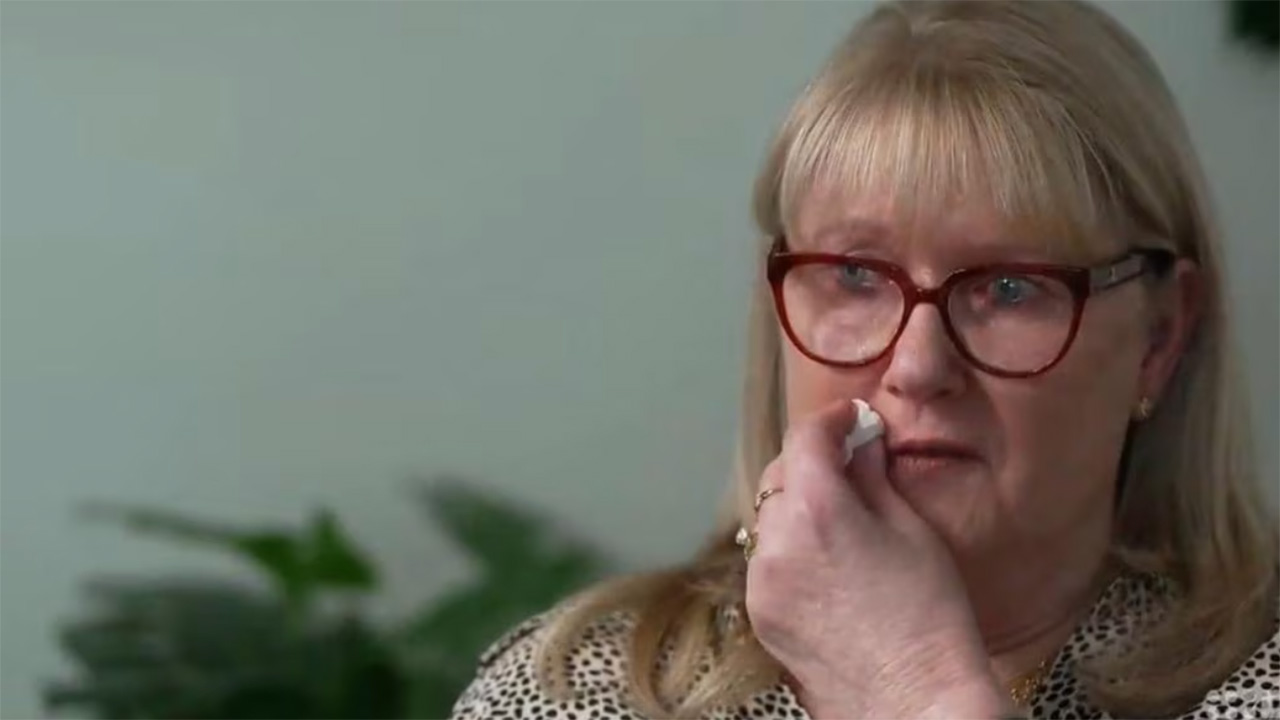
A Melbourne grandmother says she has been left permanently disfigured and traumatized after hospital staff confused her with another patient and performed the wrong surgery on her in January.
Debra Buchanan was admitted to Joan Kirner Women’s and Children’s Hospital at Sunshine Hospital for a routine procedure to remove a cancerous skin lesion from her pelvic area on January 23. Instead, surgeons removed a large portion of her external genitalia after she was mistaken for another patient with the same first name.
The mix-up began before the operation even started. When hospital staff called out “Deborah,” Buchanan said she raised a red flag. “They called Deborah, and I said, ‘Did you mean Buchanan?’ And they said, ‘Oh yes, you’ll do,'” she recalled in an interview with A Current Affair. The woman next to her, another patient named Deborah, then said “I’m Deborah,” to which staff responded, “Oh no, we’ve got the right one.” Despite this apparent confirmation, the wrong procedure went ahead.
Buchanan, who had worked as a dental nurse for many years, was shocked by the casual identification process. The mistake only became apparent after she woke from surgery. When she questioned a junior surgeon about why the operation had been performed on a different part of her body, the surgeon appeared confused. Buchanan called her husband to tell him the wrong operation had been performed, and she was then discharged with little explanation.
She was later told the error stemmed from confusion between two patients named Debra and staffing shortages at the time. The hospital was operating below adequate staffing levels when the catastrophic mistake occurred.
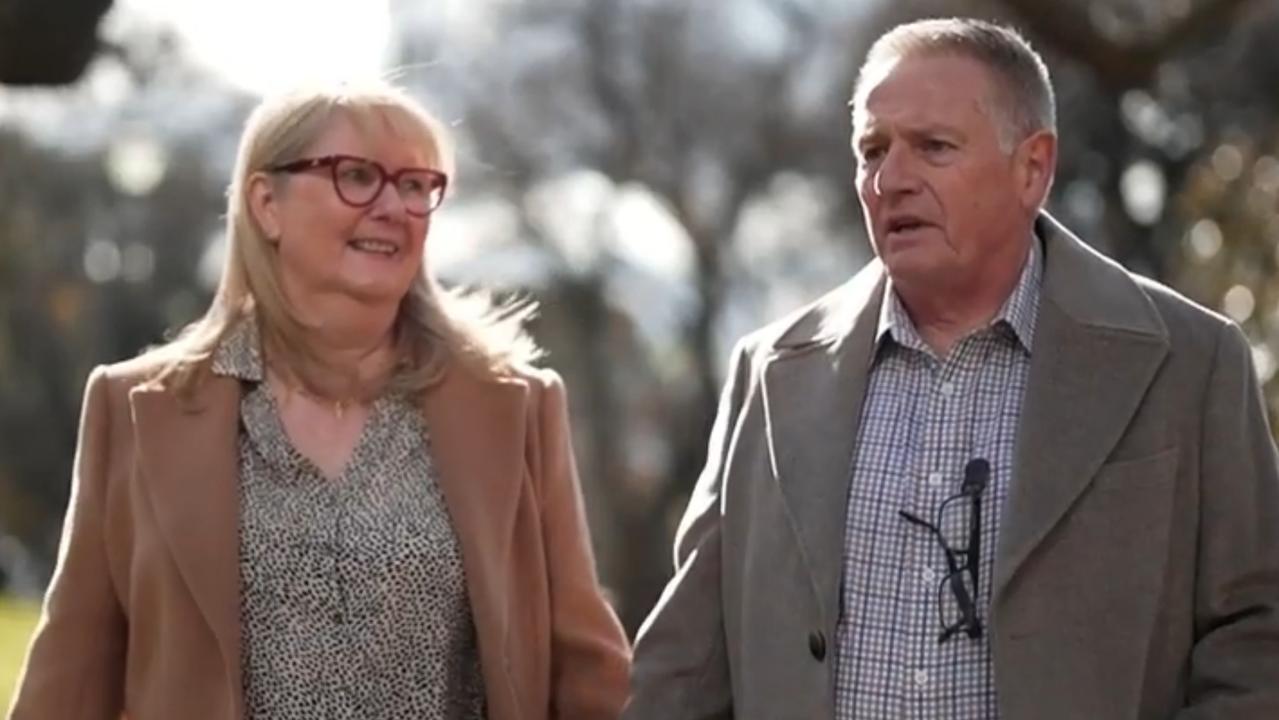
To compound the trauma, Buchanan eventually had to return to the same hospital to undergo the procedure she originally needed to remove the cancerous skin lesion. She said she was terrified to return there after what had already happened to her.
The case has raised serious concerns about patient identification protocols in hospitals. Medical negligence lawyer Erin Monsalve Fear described what happened to Buchanan as extraordinary, emphasizing that the lack of informed consent was one of the most troubling aspects. “The fact that she was never consulted nor consented appropriately for the surgery prior to it taking place, and I think that’s one of the biggest things that it boils down to,” Fear said.
The hospital’s approach to patient identification fell well short of accepted safety standards. Rather than using multiple identifiers as required by established protocols, staff relied primarily on calling out a patient’s first name and accepting minimal verification. Had proper procedures been followed—such as checking name bands, date of birth, and medical record numbers—the mix-up could have been prevented.
Western Health, which operates Sunshine Hospital, acknowledged the incident. Chief operating officer John Ferraro said in a statement that all patients had the right to safe, high-quality care, and patient safety remained the highest priority. However, he noted that due to obligations to protect patient privacy and confidentiality, the health system was unable to comment on the care of any individual patient.
The incident highlights a broader problem in healthcare. Patient misidentification is a leading cause of medical errors, and wrong-patient surgeries are considered sentinel events—unexpected occurrences involving death or serious harm. In surgical settings, these mistakes are particularly devastating because they result in irreversible physical and psychological damage.
Buchanan’s case underscores how systemic failures—in this instance, understaffing and inadequate verification procedures—can have profound and permanent consequences for patients. The physical disfigurement she suffered is compounded by the emotional trauma of undergoing an unwanted surgical procedure without consent, leaving her to grapple with the aftermath of a preventable medical error.