

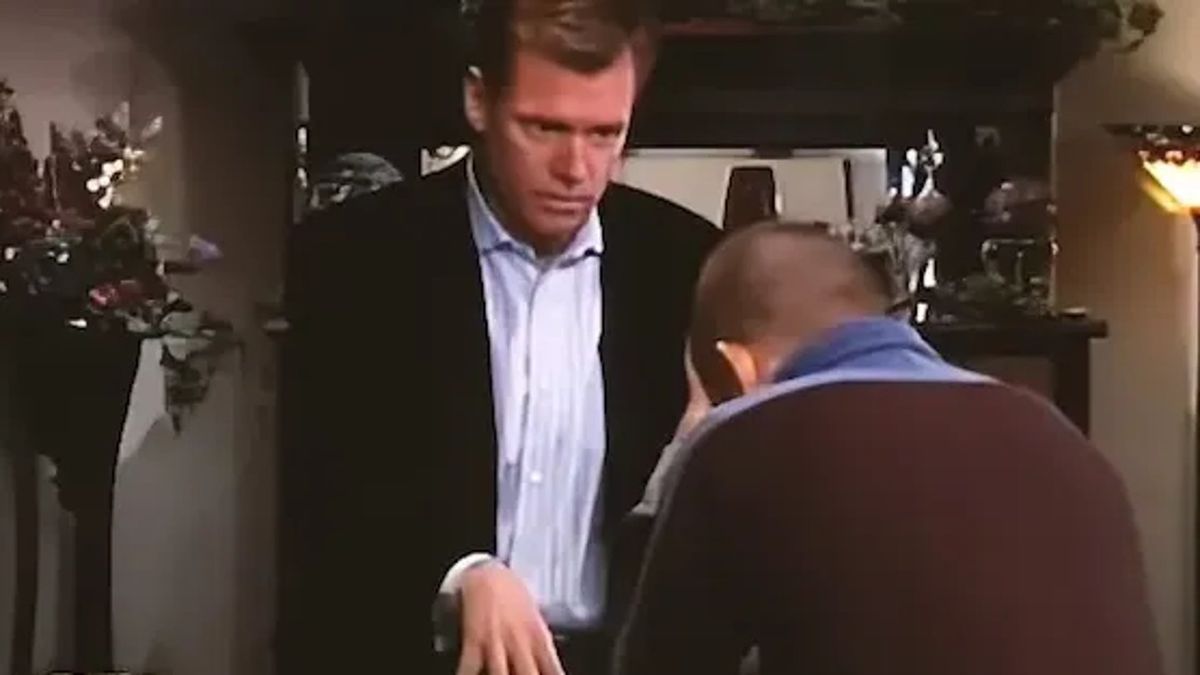
To Catch a Predator became a television phenomenon, drawing millions of viewers each week as host Chris Hansen confronted men caught in elaborate sting operations designed to expose those attempting to meet minors online. The reality series, which aired on NBC’s Dateline from 2004 to 2007, was groundbreaking television that transformed Hansen into a household name, but the show’s legacy became forever complicated by a tragedy that many have directly tied to its cancellation.
The show debuted in November 2004 with Hansen serving as the face of the investigations. Working with law enforcement and the online watchdog group Perverted Justice, the program documented hidden-camera confrontations as unsuspecting men arrived at suburban sting houses, only to discover they were speaking with decoys posing as underage teenagers rather than the minors they believed they were meeting. The confrontations were uncomfortable, often dramatic, and deeply compelling to viewers. At its peak, To Catch a Predator drew more than 10 million viewers per episode, making it one of Dateline’s most successful segments.
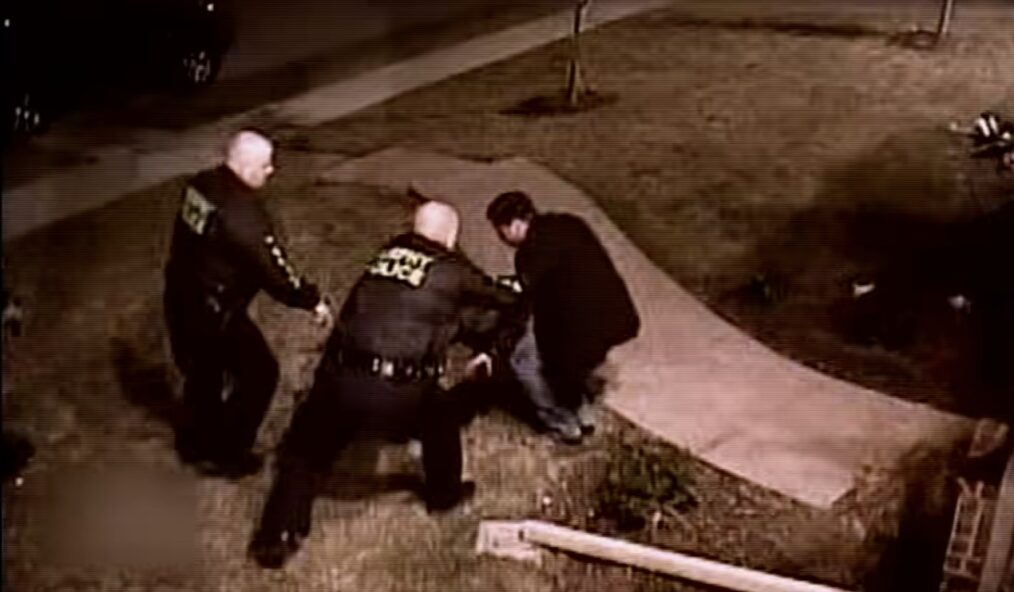
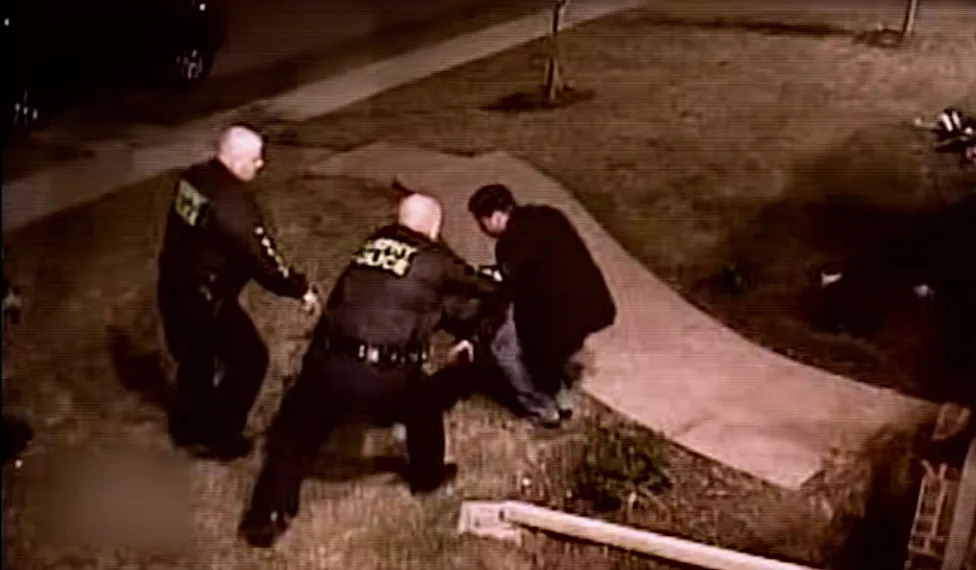
Everything changed on November 5, 2006, during a sting operation in Murphy, Texas. Among those who had communicated online with a Perverted Justice decoy was Bill Conradt, an assistant district attorney from Rockwall County in the Dallas-Fort Worth area. Unlike the other men targeted in the operation, Conradt did not show up at the sting house. However, rather than simply waiting to apprehend him at a future date, police, accompanied by Dateline cameras and crew, executed a search warrant at Conradt’s home in Terrell, Texas. When a SWAT team breached his house, Conradt shot himself in the head as officers approached. He died shortly thereafter, with media reports indicating he took his life within 60 minutes of police arrival.
The incident immediately became controversial. Conradt’s sister filed a wrongful death lawsuit against NBC, initially seeking $109 million in damages. The case was ultimately settled out of court for an undisclosed amount. Critics questioned whether the show’s pursuit of ratings had led law enforcement to take an aggressive approach against a man who had never actually traveled to the sting location. Some law enforcement officers involved expressed deep remorse about their participation.
Despite the controversy and the timing, Hansen insisted in interviews that the show simply ended naturally. “At the end of the day, we had proved our point,” he told Time magazine in 2015. To Catch a Predator ran for approximately three years with 20 episodes across its run, concluding in December 2007. While Hansen disputed the connection, many observers linked the Conradt tragedy and the resulting lawsuit to the decision to end the series.
After NBC canceled the original show, Hansen reinvented himself through independent projects. He created Hansen vs. Predator, which became a recurring segment on Crime Watch Daily starting in 2016. In 2020, he launched TruBlu, a true crime streaming network that he co-founded and now operates. That same service began airing Takedown with Chris Hansen in 2022, a show structured similarly to the original To Catch a Predator series. Hansen also started the podcast Predators I’ve Caught in 2020, revisiting his most famous investigations, and expanded his digital presence with a YouTube series called Have a Seat with Chris Hansen.
Hansen continued his investigative work well into the 2020s. In July 2026, he participated in a sting operation with the San Francisco Sheriff’s Office that resulted in the arrests of five men. Now 66 years old, Hansen remains an active investigative journalist and has maintained his commitment to confronting online predators despite the controversies that surrounded his early work.
The original series has experienced a cultural resurgence in recent years. A documentary titled Predators, released in 2025, examined the rise and fall of To Catch a Predator with extensive input from Hansen and others involved in the operations. The film sparked new conversations about the show’s ethical implications, media ethics, and the blurred lines between journalism and entertainment.
Now, Hansen’s story is being dramatized on the big screen. Robert Pattinson will star as Hansen in Primetime, an A24 crime thriller directed by Lance Oppenheim in his feature film debut. The movie follows Hansen in 2006 as To Catch a Predator reaches its peak, exploring the pressures of fame, public scrutiny, and the consequences of turning real-life investigations into primetime entertainment. The film, which also stars Merritt Wever, Skyler Gisondo, and Phoebe Bridgers, is set to premiere at the Venice International Film Festival in September 2026 before its theatrical release on September 25, 2026.