

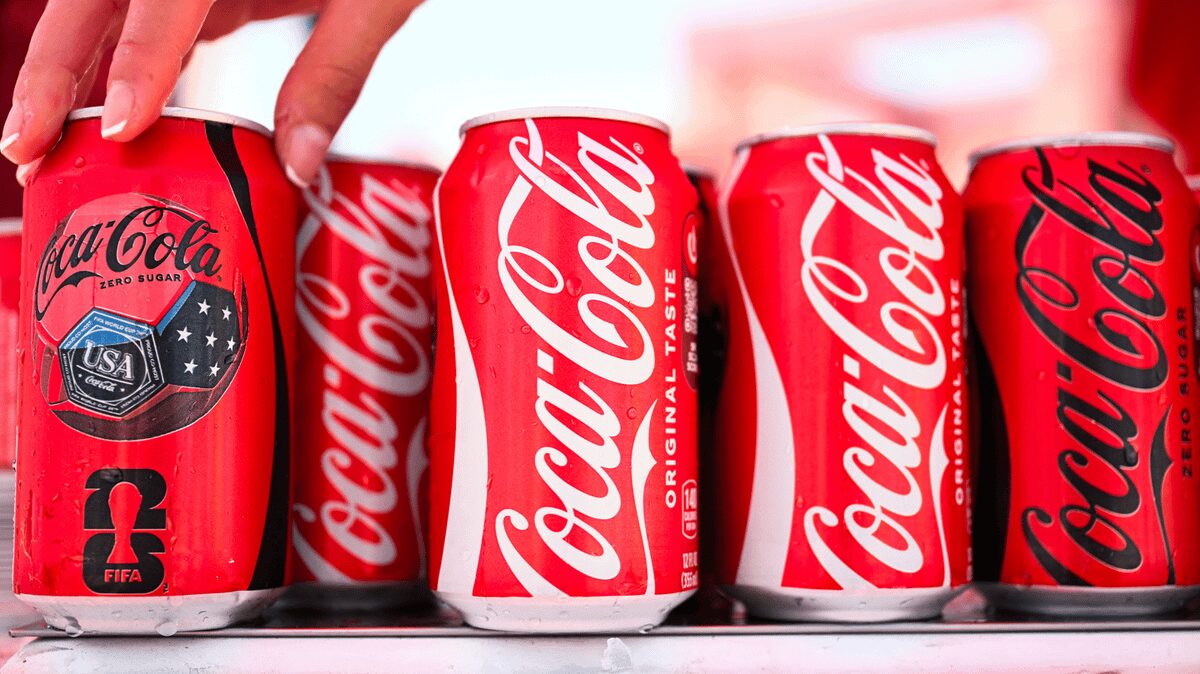
Coca-Cola is facing criticism over its personalized can feature after tests suggested the system can block ordinary religious and political messages while still allowing far more disturbing wording to pass through.
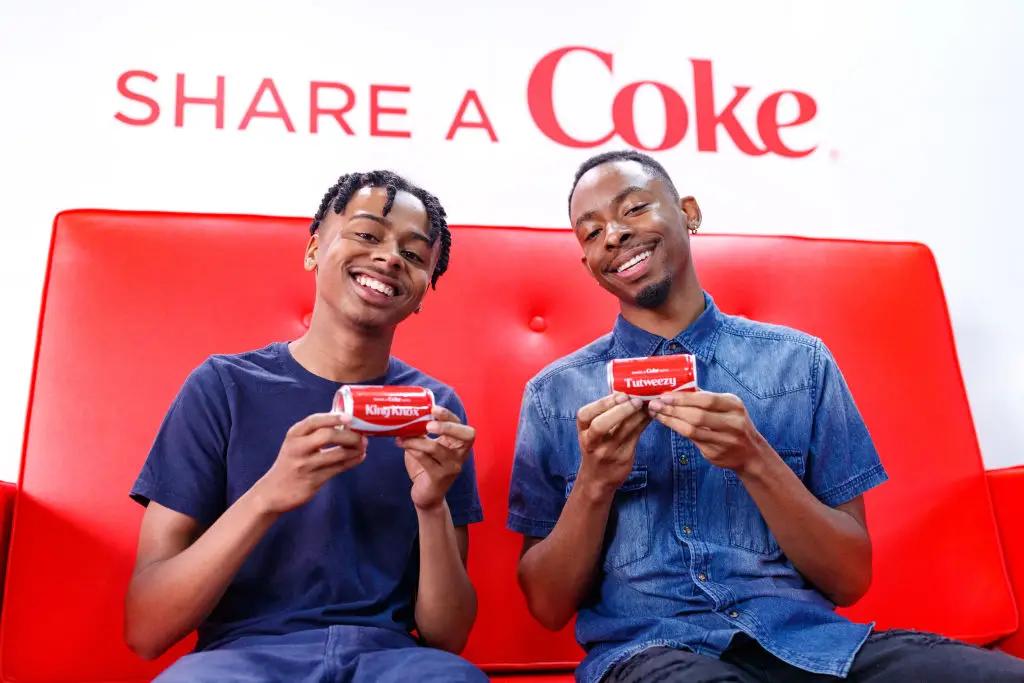
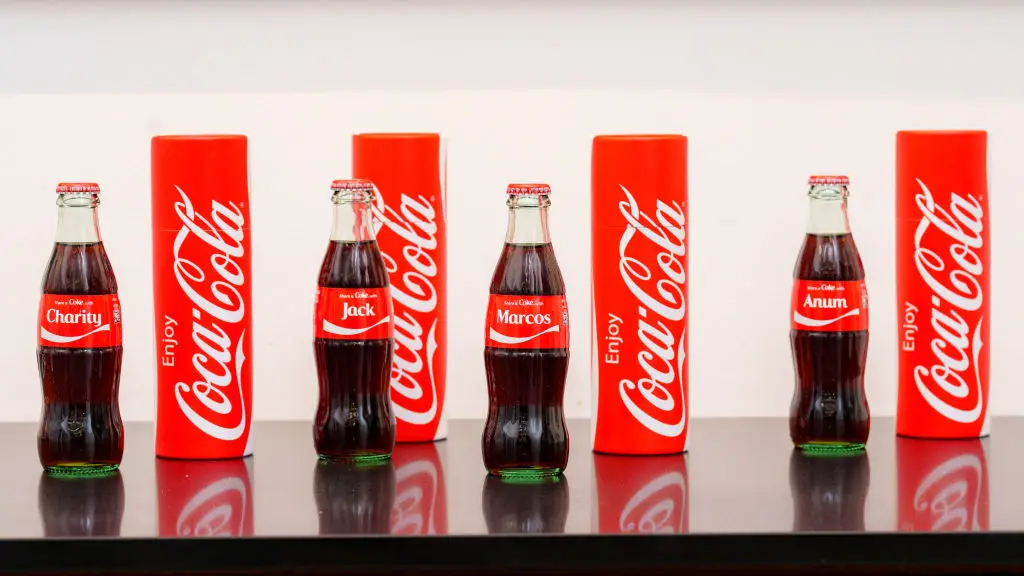
The brand’s ‘Share a Coke’ tool allows customers to order cans printed with a custom name or short message of up to 18 characters.
However, a review by Fox News Digital found the moderation system appears inconsistent, with some common phrases immediately rejected and other highly controversial terms reportedly accepted.
Among the entries said to have been blocked were religious expressions and political slogans, even though the company says the tool is meant to screen out content that is religious, political, trademarked, or otherwise unsuitable.
‘Jesus is Lord’
‘Make America Great’
The investigation said the system also rejected other mainstream faith-based wording.
‘Allah is Lord’
At the same time, several secular or anti-religious phrases were reportedly approved without issue.
‘God is Dead’
‘Atheist Pride’
‘Shalom’
‘Buddha Bless’
Reports said a similar pattern in political testing. Identity-related phrases and well-known slogans were said to have been refused, along with the names of individual political figures.
‘White Pride’
‘Black Pride’
‘Black Lives Matter’
Yet other politically charged wording allegedly made it through.
‘Defund the Police’
‘Proud Boys’
The report also pointed to an apparent inconsistency in phrases related to the Middle East, saying one message was accepted while another was blocked.
‘Stand with Israel’
‘Free Palestine’
Most concerning were the phrases tied to attraction to minors that reportedly cleared the filter as of Friday afternoon. The review said users could also get around restrictions with simple formatting tricks, such as adding spaces or replacing letters with numbers.
‘Pedophile Pride’
‘MAP Pride’
The abbreviation refers to ‘Minor-Attracted Person’.
When a user enters a blocked message, the tool displays the following notice:
“The name or phrase you’ve submitted is not permitted. Names and phrases may not be permitted if they belong to a business, organization, celebrity, public figure, school, team or other trademark, are religious or political in nature, or could be considered inappropriate or unsuitable for other reasons.”
A Coca-Cola spokesperson said the customization option was intended as a positive way for customers to interact.
“for Coca-Cola fans to celebrate with one another and make connections.”
The spokesperson also said:
“We are aware of a technical issue affecting the personalization preview tool and are working to address it.”
The company said it has now turned off the preview function and paused new customized orders while it looks into the problem. It also said there are “safeguards in place to prevent the approval and production of cans and bottles featuring religious, political, trademarked, inappropriate, or otherwise restricted terms and phrases.” The company added that all personalization orders are subject to moderation review after submission.
The controversy represents a renewed iteration of similar complaints that emerged in 2024. At that time, social media users recorded viral videos claiming the tool allowed references to religions other than Christianity while blocking Christian phrases. Coca-Cola responded to those complaints by stating that its filters apply restrictions to all religious terminology equally, not just Christian content. The company said in October 2024 that religious names and phrases, including both “Jesus” and “Allah,” had been designated for denial from the tool’s inception.
During the 2024 controversy, independent fact-checking organizations conducted their own tests. Snopes reported that its testing found “Jesus,” “Satan,” and “Allah” all produced the same rejection message citing restrictions on religious figures, contradicting claims that certain religious references received preferential treatment. However, reports following the August 2026 viral videos indicate that some phrases previously allowed by the system, such as “Allah is King” and “Satan is King,” have since been blocked, suggesting the company adjusted its filtering rules in response to public criticism.
Coca-Cola has faced content moderation challenges with its customization tools in previous years as well. In 2021, the company acknowledged that its Share a Coke personalization system produced inconsistent results, with some offensive terms able to bypass filters through simple workarounds while mainstream political and social phrases were blocked. The company stated at that time it was “continuously refining and improving” the tool to ensure proper use.
Social media users have called for boycotts of Coca-Cola products in response to the latest controversy, with the issue trending on multiple platforms including X and TikTok.