

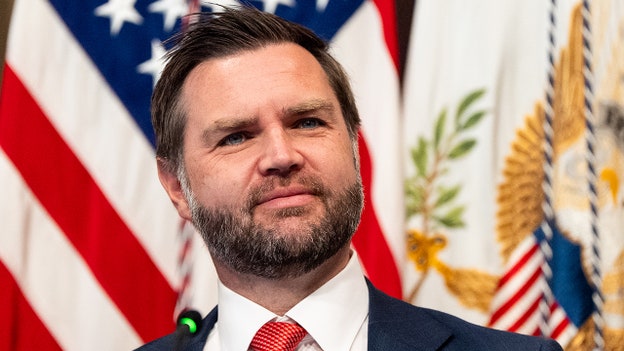
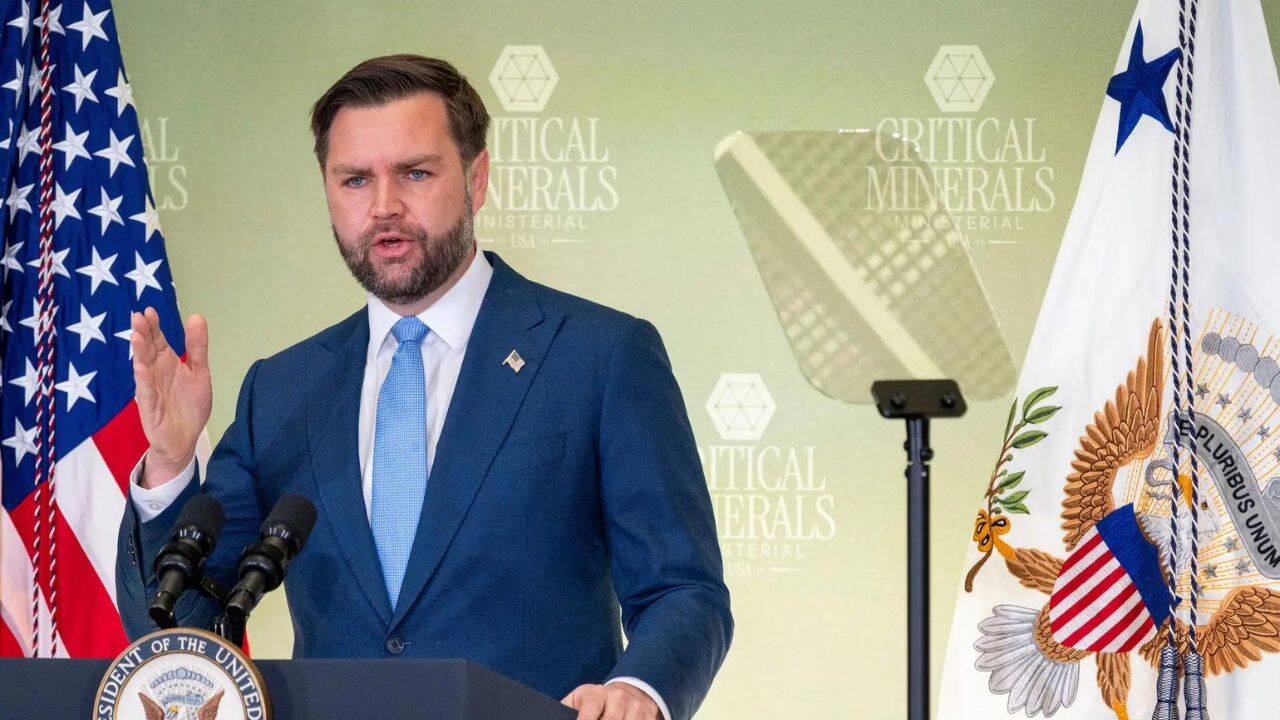
Vice President JD Vance said Saturday that US negotiations with Iran have progressed this week, but stressed that the conflict is not over.
Vance said host Kayleigh McEnany during an interview on “Saturday in America” that “We’re really in the middle of the game here. This thing is not over. It’s obviously not at the beginning, we’re in the middle of the game. And we’re applying a whole host of tools, diplomatic, economic, military tools to ensure that we get the best outcome for the American people.”
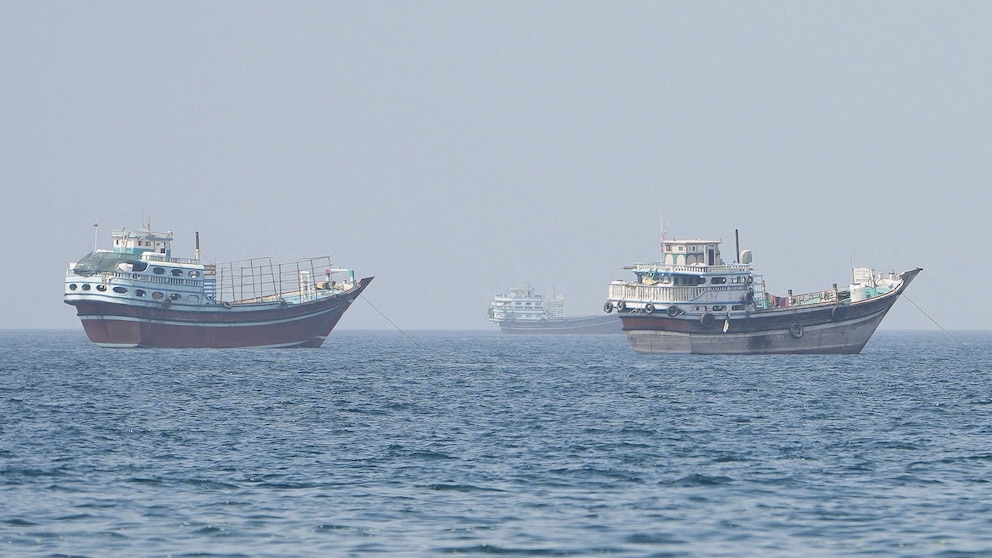
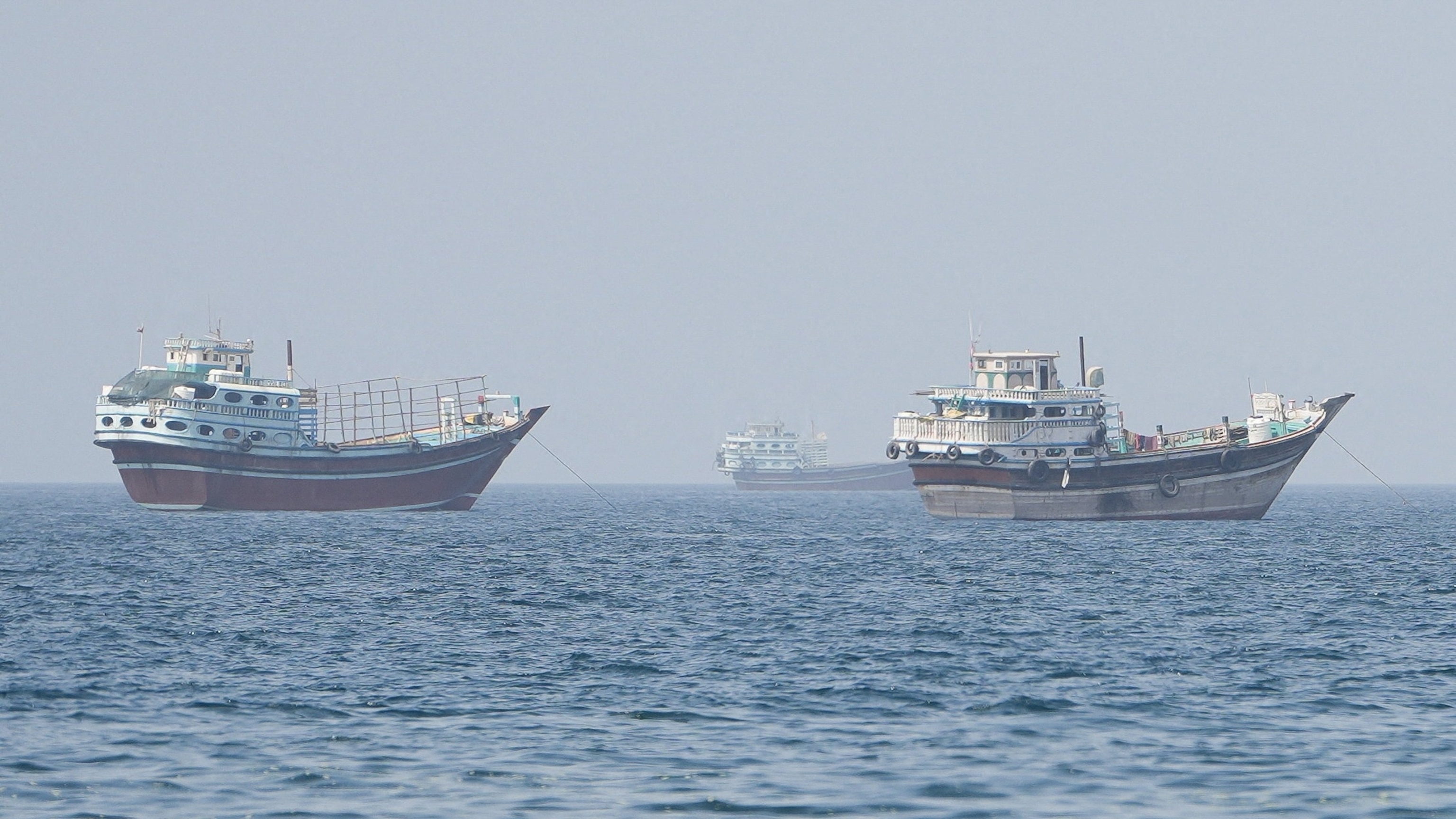
Vance stated: “Well, our expectation is you’re going to see the same amount of oil and gas come out of the Gulf that you saw before the conflict started. That is what the Iranians have told us that they are going to do.”
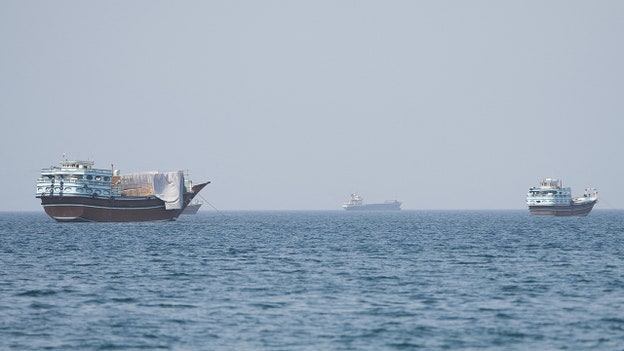
“We’re talking to the Iranians of course. We’re trying to maximize the amount of oil and gas that are coming out of the Strait of Hormuz. That’s the thing that we’re most focused on right now,” Vance said.
Vance added: “But, you know, we don’t trust, we verify. We actually look not at people’s words, but people’s deeds. The Iranians have told us they have no plans to toll the Strait of Hormuz. But again, we’re going to see what actions actually happen.”
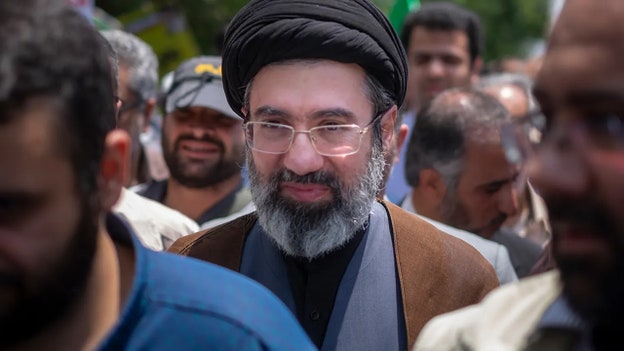
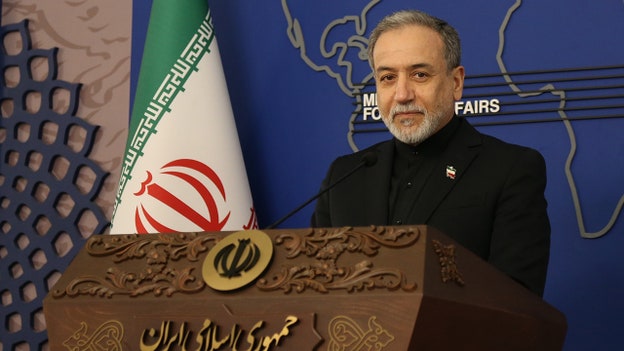
Iranian Foreign Minister Abbas Araqchi said Iran and Oman were “very close” to agreement on a new shipping route through the Strait of Hormuz but that reopening the strait depended on other conditions.
Araqchi said reopening the strait depended on other conditions, including US compensation to Iran, adding that Iran was discussing a temporary route with Oman while technical and legal issues surrounding a permanent route were resolved.
The stern warning came alongside a sweeping list of demands issued by the Supreme National Security Council, Iran’s top security body, signed by council secretary Mohammad Bagher Zolghadr — who also serves as a commander in the Revolutionary Guard — asserting the Strait of Hormuz will not reopen until the US “corrects its behavior”.
Under Tehran’s explicit terms, the US must never threaten Iran again, permanently end the war against Iran and its regional armed allies, lift its naval blockade of Iranian ports, and pull its military forces from the region. Furthermore, Tehran demanded the US “completely compensate” Iran for war damages, lift all sanctions, and “unconditionally” release frozen assets.
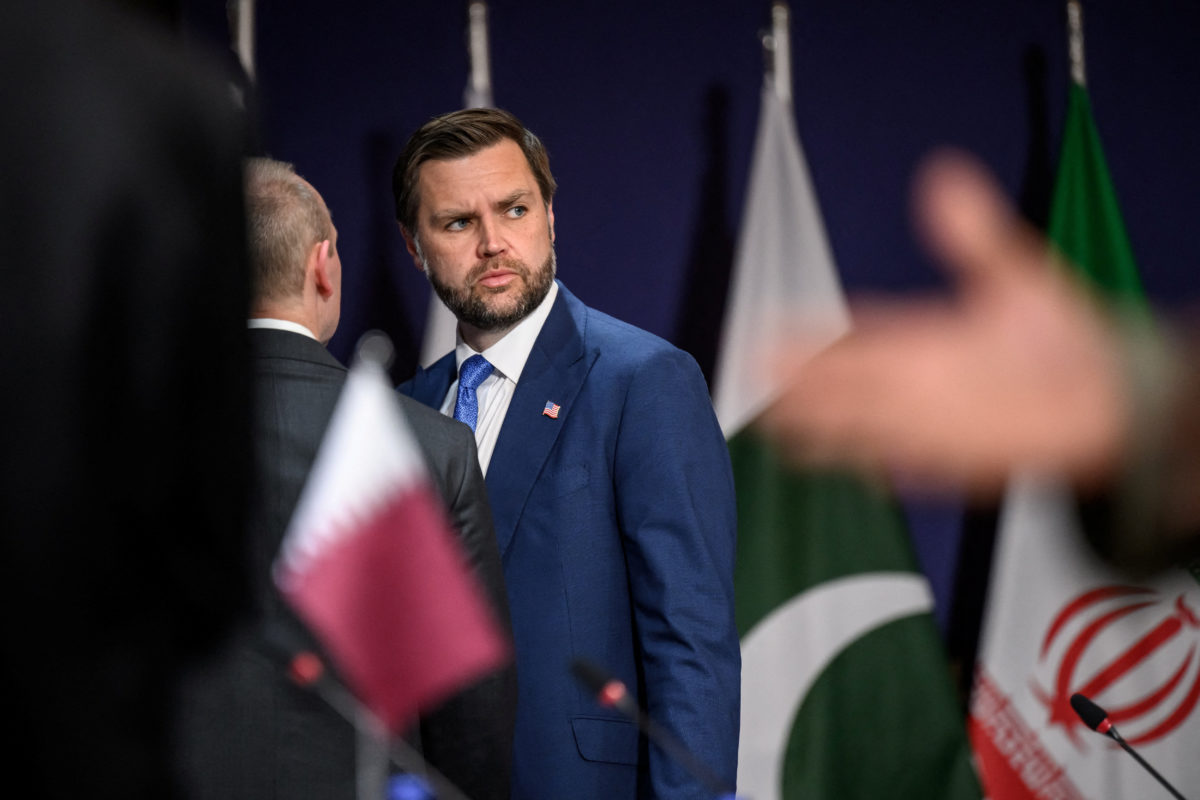
Mohammad Bagher Ghalibaf, Iran’s lead negotiator, wrote on X: “‘Massive attack coming… wait, never mind, they want to negotiate.’ That’s theater diplomacy on loop. Acknowledge the facts and fulfill your commitments. We don’t need more theater.”
“They’re hurting in a big way. They want this thing to be over. The question is whether they’re able, their system is able, to give the things that are necessary for us to be happy, for us to feel like we’ve gotten what we need out of this particular engagement,” Vance said.
Vance has warned that negotiations with Iran will be “messy” and “take some time.”
Vance said Iran’s leadership was divided, with some factions seeking an end to the war while others wanted the conflict to continue. “So there are people within their system who want the war to be over; there are also people within their system who are crazy radicals who want the war to continue.”
A US official said on Friday that Washington anticipated an agreement soon between Iran and Oman, which sit on either side of the strait, so that normal oil traffic could resume. Agreement between the two countries over control of the strategic waterway is seen as crucial to a wider agreement to end the conflict that began with U.S. And Israeli attacks on Iran on February 28.
Vance rejected the premise that Iranians are looking to tighten their grip on the strait amid the negotiations, saying there are active talks going on — including other Gulf states — about how to allow for safe flow of traffic through the Strait.
According to the interim deal signed in June, a schedule to end sanctions and plan on compensation would be part of the final deal, and negotiations would address frozen assets. The end of a 60-day period to negotiate a final deal will end in just over a week but could be extended.
The US and Israel launched major strikes on Iran starting February 28, closing the Strait of Hormuz to commercial traffic. A two-week ceasefire was agreed in April, followed by a June memorandum of understanding signed in Switzerland aimed at ending the broader war. Fighting reignited in July when Iran targeted US bases in response to continued Israeli operations in Lebanon, with the strait becoming the central battleground.
Araqchi cautioned that a full reopening of the strait would depend on the US staying true to commitments given as part of the June memorandum of understanding that were violated.