

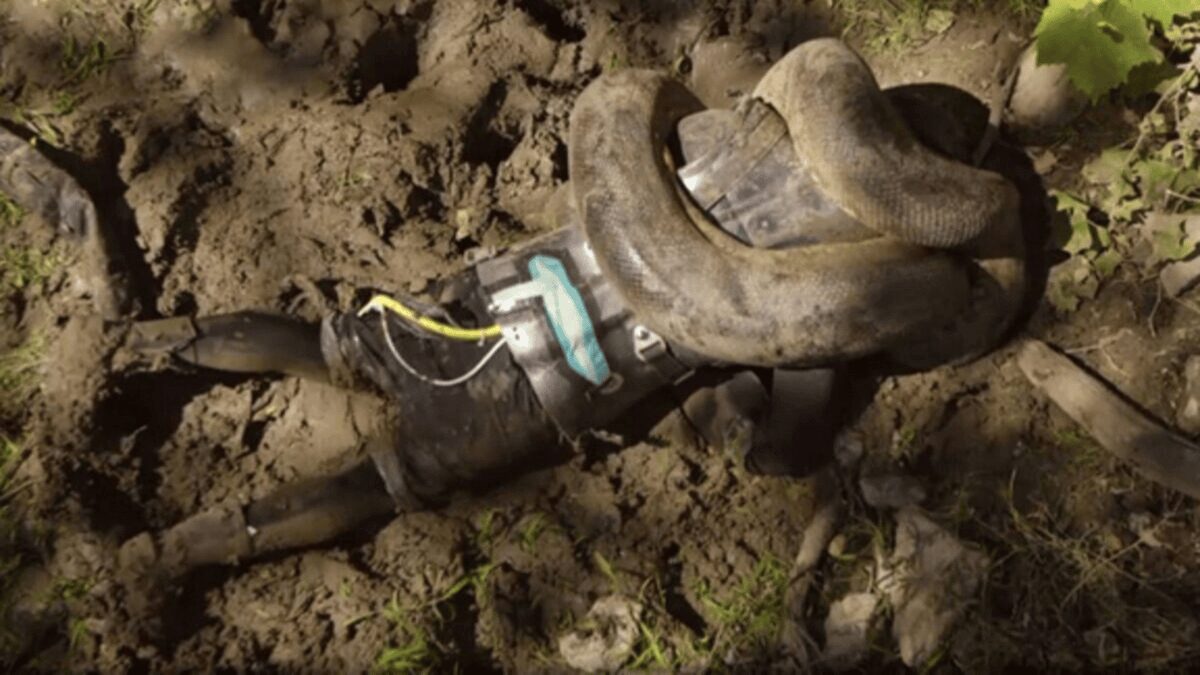
Paul Rosolie survived the dramatic encounter with the green anaconda, though the television special that aired in December 2014 did not unfold as Discovery Channel had promoted to the public.
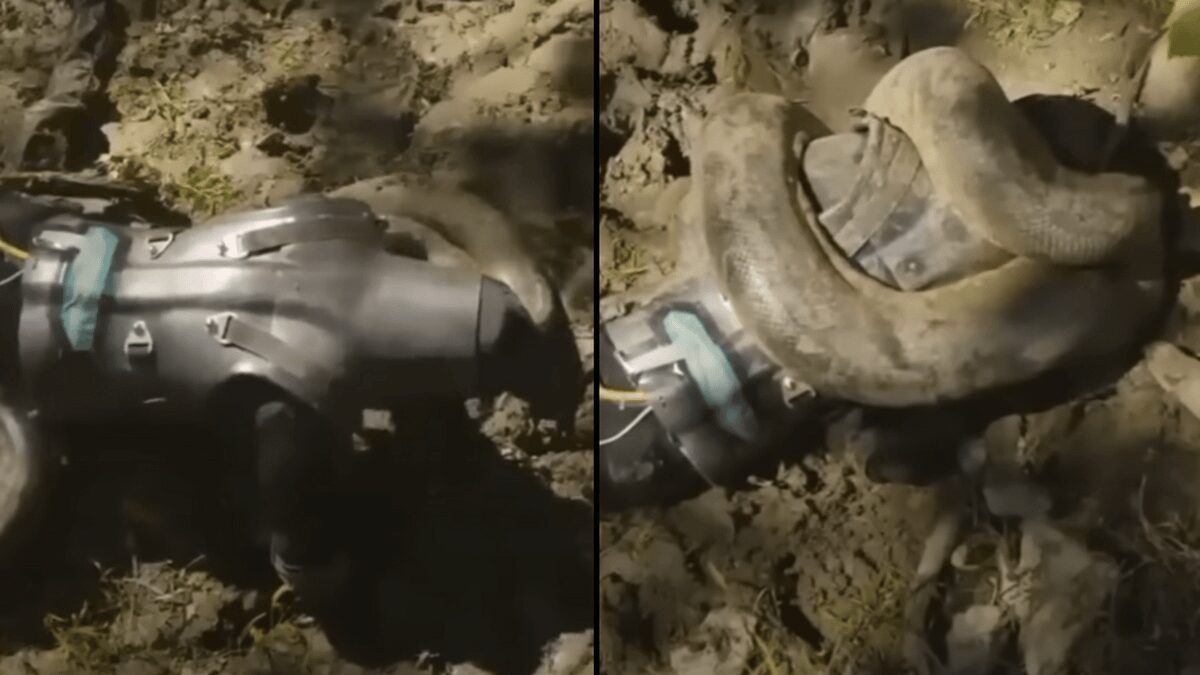
The American conservationist donned a custom-made carbon-fiber suit fitted with breathing apparatus and covered in pig’s blood to attract the massive snake. The suit was designed to protect him from being crushed during constriction and to prevent suffocation, equipped with cameras and a microphone for constant communication with his team waiting on the sidelines. Rosolie attempted the stunt in the Peruvian Amazon as part of the Discovery Channel series “Eaten Alive,” which was filmed in 2014 and broadcast on December 7 of that year.
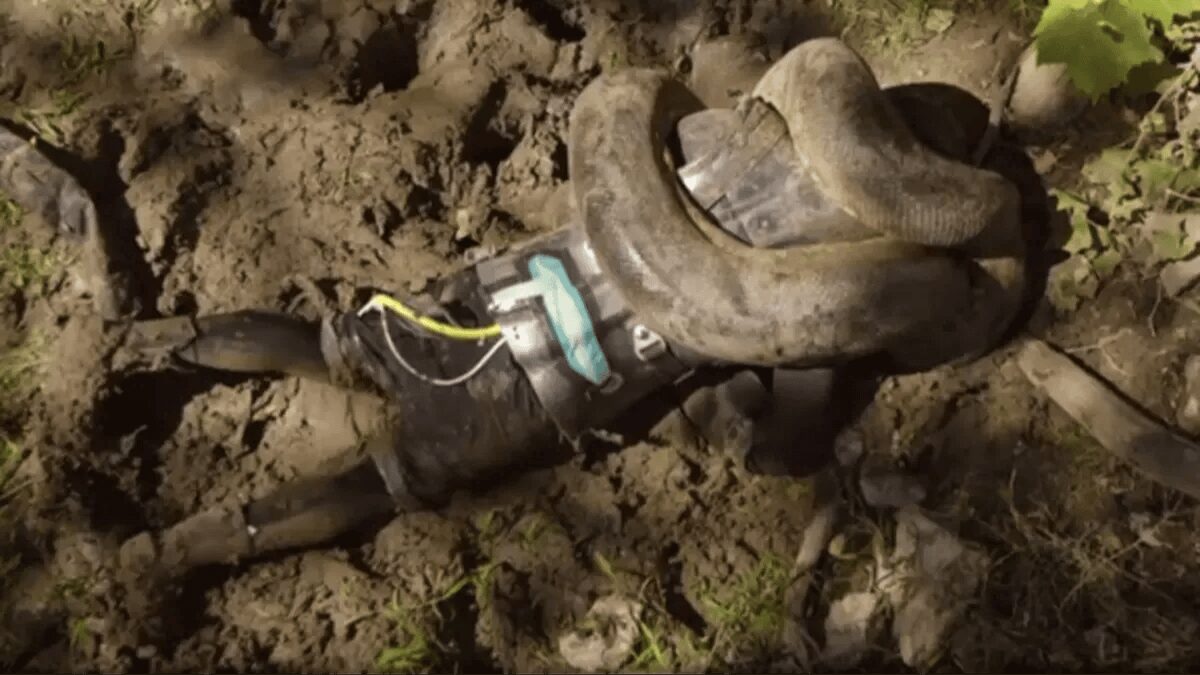
Instead of being swallowed whole as the promotional materials suggested, the anaconda coiled around Rosolie and began constricting him. He felt the pressure in his arm, describing the sensation of his bone flexing as the snake tightened its grip. When the anaconda’s jaws wrapped around his head and he realized he was in genuine danger of serious injury, he called out for help. “Guys, my face is down. I’m calling it, I need help!” he cried out on camera. His team rushed in and pulled him free from the snake’s coils after the stunt lasted just over an hour.
The special became controversial before it even aired. Animal rights groups, including PETA, launched online petitions against the show, arguing that the stunt amounted to animal cruelty and would stress the snake unnecessarily. Critics questioned the ethics of the experiment from both animal welfare and scientific perspectives. Some herpetologists and wildlife experts declared the entire premise implausible, with skeptics noting it seemed designed purely for sensationalism rather than genuine conservation education.
The broadcast itself proved anticlimactic for viewers who had expected to see a man actually consumed by a 20-foot anaconda. The network had spent weeks building anticipation, and the two-hour special devoted most of its runtime to Rosolie’s expedition to find the snake rather than the brief constriction attempt at the end. Social media erupted with mockery, with viewers expressing frustration that the show had overstated its premise. Discovery later acknowledged in a statement that the experiment had to be stopped when it became clear Rosolie would be seriously injured if it continued.
Rosolie himself expressed disappointment about how the finished product was presented, writing about the experience afterward. He stated that he felt a “sinking sensation” when he saw the final cut of the special, believing the network had emphasized sensationalism over the conservation messaging he had intended. In media appearances following the broadcast, he attempted to explain his reasoning to a skeptical public.
Despite the backlash and the underwhelming television event, Rosolie has continued his conservation work undeterred. He founded Junglekeepers, a nonprofit organization dedicated to protecting rainforest habitat in Peru’s Madre de Dios region. The organization purchases land ahead of logging operations and employs former loggers and gold miners as forest rangers, offering them alternative income sources while protecting crucial ecosystems.
Rosolie has authored multiple books detailing his work in the Amazon. His 2014 memoir “Mother of God” described his early conservation efforts in the rainforest. In January 2026, he published “Junglekeeper: What It Takes to Change the World,” which appeared on the outlet Best Sellers list. He has also established Tamandua Expeditions, using tourism as a tool to fund conservation efforts.
According to recent information, Rosolie’s organization has protected approximately 77,000 acres of Amazonian habitat, with the goal of eventually protecting 121,000 hectares. He has made numerous speaking appearances, including at the United Nations Global Forum on Forests, where he advocated for evidence-based protection strategies. In recent podcast appearances, he has discussed his fieldwork documenting biodiversity and the cascading effects of deforestation on regional climate patterns.
The “Eaten Alive” incident, while initially damaging to Rosolie’s reputation, has become part of a larger narrative about his dedication to rainforest conservation. Though the stunt failed to achieve what he had envisioned, it certainly achieved one of his goals: getting people’s attention. Today, Rosolie continues working in the field, managing protected territories and speaking internationally about the urgent need to preserve the Amazon rainforest and its wildlife.