

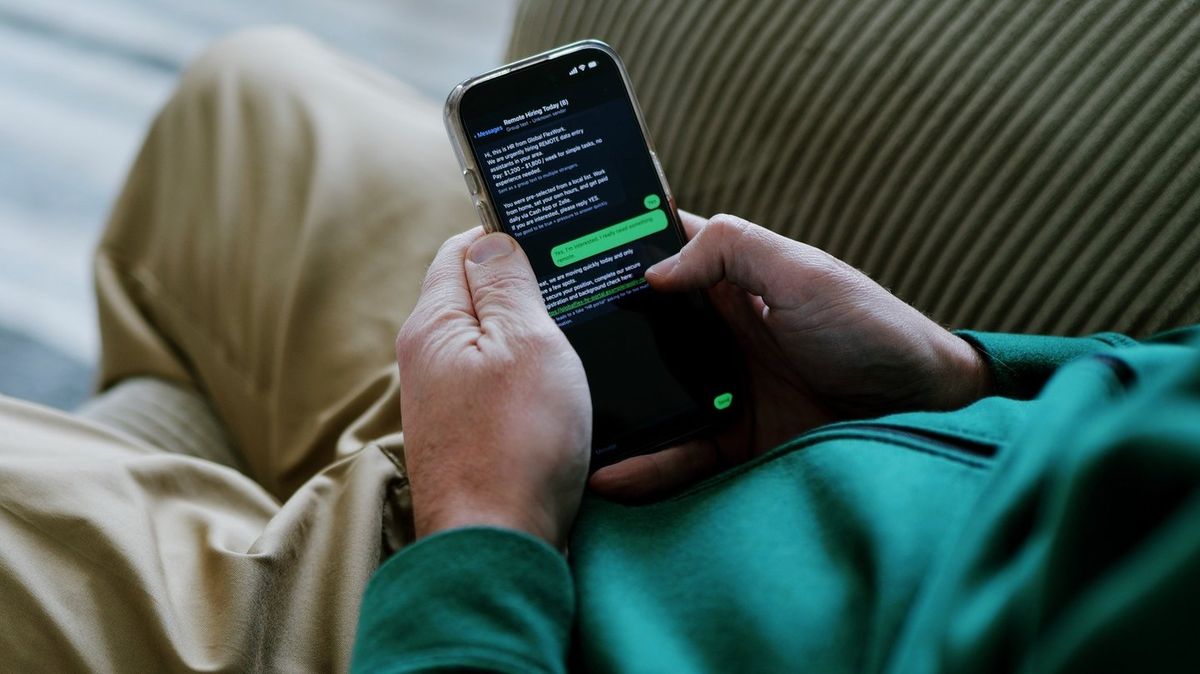
A cyber security expert has warned that one type of text scam is especially effective, and he says there’s a particular message people should avoid answering.
People are often told to look for spelling mistakes, strange numbers and suspicious links when trying to spot a scam. But chartered security professional James Bore says the most convincing scam texts do not always contain those obvious giveaways.
Instead, he highlighted one message that should immediately raise concern and explained why so many people still get caught out by it.
“I’ve lost my phone and I’m in trouble,” is the message Bore urged people to ignore at all costs.
Although that advice sounds straightforward, he said there is a major complication.
Bore acknowledged: “Because people can lose their phone and be in trouble.”

To reduce the risk, he recommended agreeing on a safety word or phrase with close friends and family.
“The best thing to do, for anyone you care about and would want to support in an actual emergency, is to agree a safety word or phrase – just something they can include in a message if they ever are in trouble. Any message missing it can then be dismissed.”
Bore said scammers are often most successful when they trigger an emotional reaction. Fear, stress and panic can make people far less likely to pause and assess whether a message is genuine.
He also noted that this same scam has appeared on WhatsApp as well as standard text messaging, meaning the risk is not limited to SMS.
The security expert advised: “Teaching ourselves to take five seconds to step away and process is the most effective thing most of us can do to protect ourselves from scams.”
According to Bore, another big factor in successful scams is familiarity. Messages that resemble everyday notices are often the ones people trust too quickly.
He added: “The most effective scams are ones which are very close to real messages. More people are caught out by ‘your delivery has failed, please pay a fee to rearrange’ or parking fine messages than almost anything else, because they fit into what we expect and so we often won’t take time to think them through.”
Text scams remain a huge issue in the US and globally. Americans received over 225 billion spam texts in 2025, and the scams are increasingly sophisticated. Fraudsters now use AI-generated content to craft convincing messages, with click-through rates on smishing texts reaching 19-36% compared to just 2-4% for email phishing.
The financial damage is severe. According to recent Federal Trade Commission data, Americans lost $470 million to scam text messages in 2024, more than five times what was reported just a few years earlier. The FTC has identified several of the most common text scam trends affecting consumers.
Among the top scams reported in 2024 were fake package delivery notifications, phony job opportunities, and fraudulent account alerts. In 2025, toll road scams surged dramatically, increasing by 900% in a single year, with scammers impersonating legitimate toll collection agencies to demand payment for unpaid tolls.
The “I’ve lost my phone” family impersonation scam has emerged as a particularly insidious threat. Scammers pose as family members claiming they have lost their phone and need help, often requesting money for immediate expenses. Victims have reported losing thousands of dollars after engaging with these messages. The scam’s effectiveness lies partly in how plausible the scenario is and the emotional urgency it creates, making recipients less likely to verify the sender’s identity through other means.
Experts emphasize that responding to suspicious texts should be avoided, and implementing a pre-arranged safety code with family members can help distinguish genuine emergency messages from scams. When in doubt about whether a message is legitimate, contacting the person through a known phone number or verified official channels is always the safer approach.