

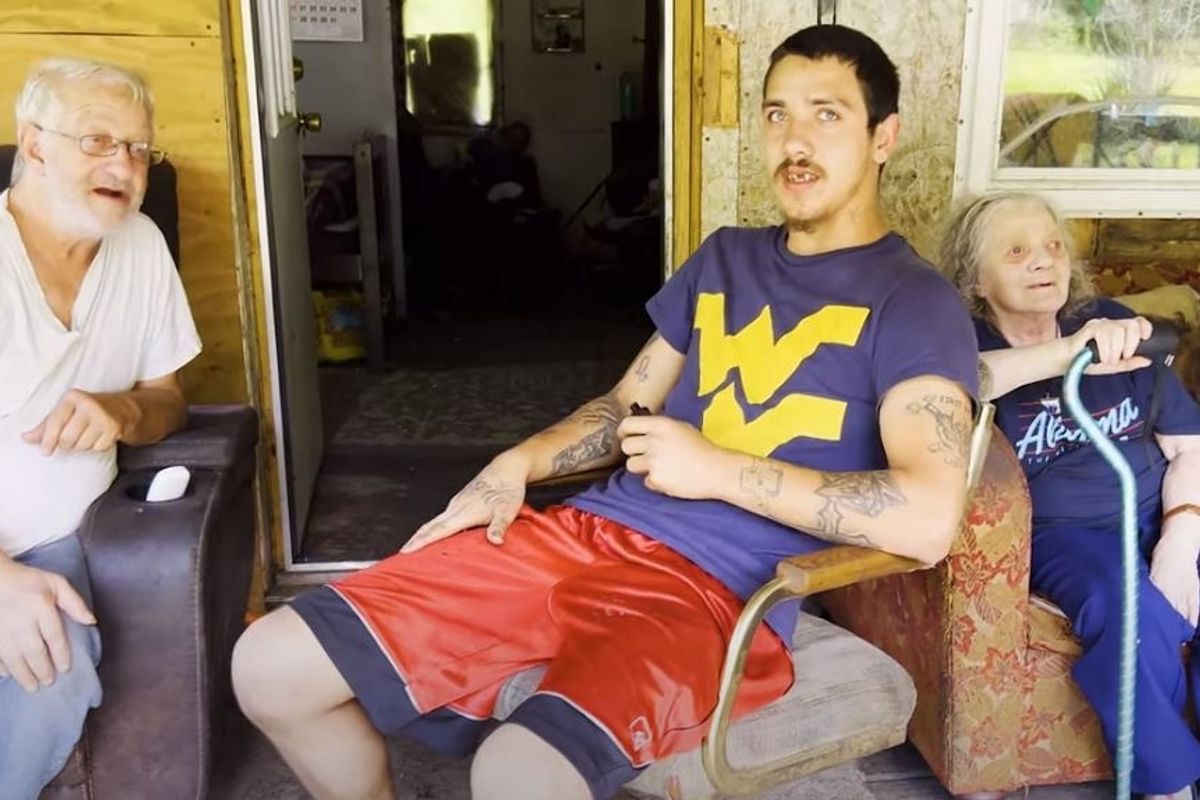
Filmmaker Mark Laita has spent over two decades documenting one of America’s most extraordinary and troubling families, yet there is one specific moment from his first visit to the Whittaker home that continues to haunt him even after years of regular contact with the family.
The Whittaker family, who live in the rural community of Odd, West Virginia, has become known as America’s most inbred family following the viral success of Laita’s documentary work. The family’s unusual appearance and communication patterns—many members speak only in grunts and barks rather than intelligible speech—sparked worldwide fascination when Laita’s footage reached millions of viewers.
At the center of this story is Mark Laita, a photographer and documentarian who operates the YouTube channel Soft White Underbelly. His initial meeting with the Whittakers in the early 2000s proved to be a profoundly disturbing experience that left a lasting impression. During a recent appearance on the Koncrete Klips podcast, Laita recounted the details of that first encounter with remarkable clarity, describing the moment that still unsettles him.
“We came around to this road, which turns into a country road, which turns into a dirt road,” Laita began, setting the scene. “Then we come to this trailer and then a little shack on the other side of the road. And there’s these people walking around and their eyes are going in different directions and they are barking at us.”
The most indelible image from that visit involved one family member in particular. “One guy, you would look him in the eye or say anything and he would just scream and go running away, and his pants would fall around his ankles, and he would go running off and go and kick a garbage can. And this would happen over and over. It was out of control—the craziest thing I have ever seen,” Laita recalled.
The filmmaker compared his first impression to a scene directly from the 1972 thriller film Deliverance, invoking the movie’s portrayal of isolated Appalachian communities. Laita called the experience “one of the most disturbing interviews I’ve ever done,” yet it launched a relationship that would span decades and introduce millions of people to the Whittaker family’s reality.
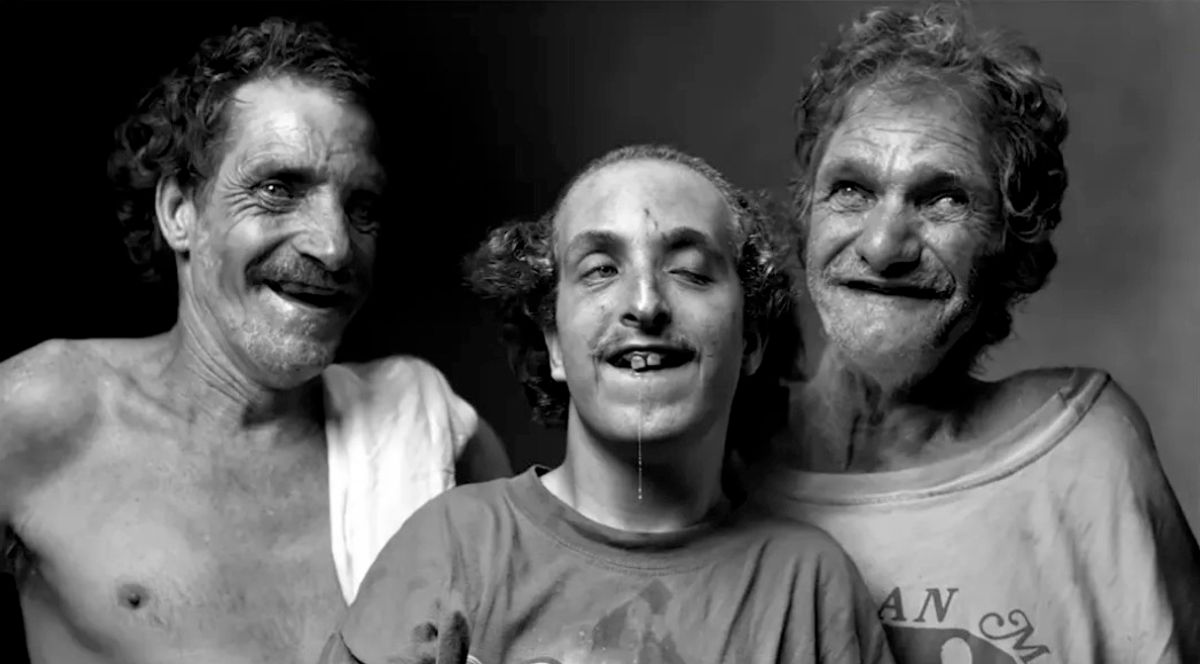
The Whittaker family’s extensive history of inbreeding traces back more than a century. The pattern began when identical twin brothers, Henry and John Whittaker, had children who later married each other, setting off a cycle of consanguineous unions that continued through multiple generations. This cycle of close-relative marriage resulted in widespread intellectual and physical disabilities among family members. Two of the primary remaining family members, Ray and his sister Lorene, mostly communicate through grunts rather than speech.
Gaining initial access to the family proved challenging. When Laita first attempted to visit, neighbors—fiercely protective of the Whittakers—were hostile to his presence. In fact, armed residents threatened him with weapons to keep him away. Eventually, Laita secured the assistance of a police officer to escort him to their home, which finally granted him access to document their lives.
The initial reluctance of the Whittaker family themselves to interact with Laita gradually transformed through a gesture of compassion. Laita offered to photograph family members for inclusion in a deceased relative’s casket. This act of kindness helped establish trust, and he eventually returned in 2020 to film his full documentary, Inbred Family—The Whittakers. The project went viral, accumulating tens of millions of views across his YouTube channel.
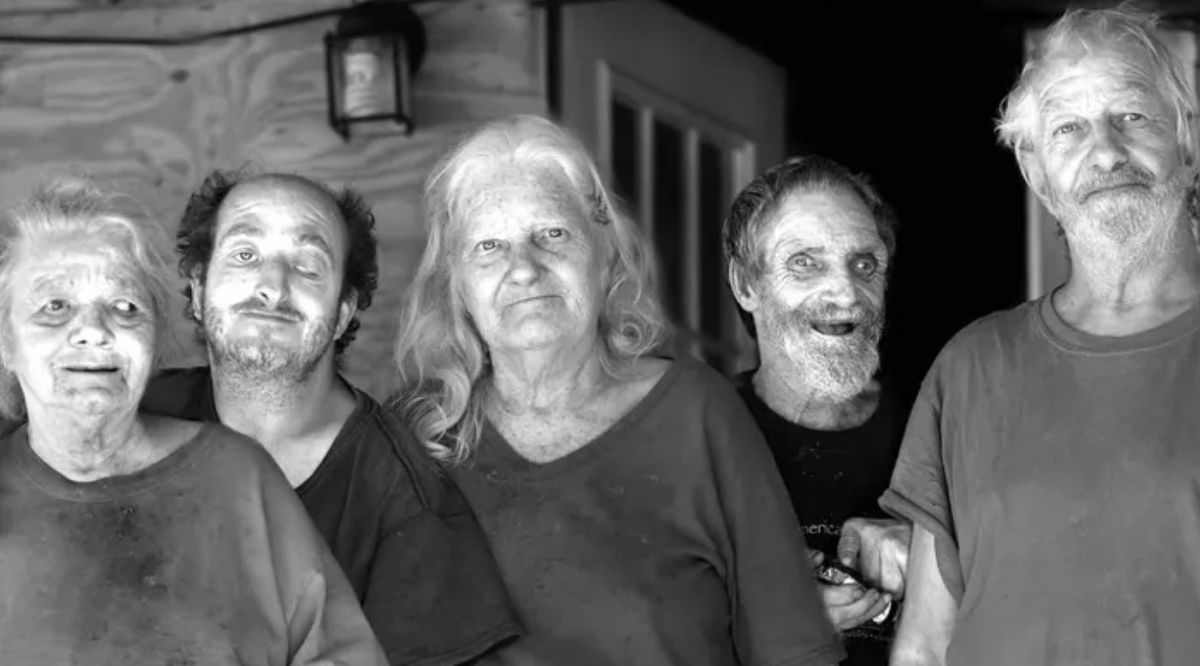
The situation took a dramatic turn in September 2025 when three family members—Ray Whittaker, 72; his sister Lorene, 79; and her son Timmy, 46—were removed from the family home in Odd by adult protective services. The remaining family members, Betty, 73, and Larry, 69, were left without explanation or information about where their relatives had been taken. “I’ve been staying at home, waiting on a phone call, but that’s all I know. They haven’t called or let me know nothing,” Larry said.
West Virginia’s Department of Human Services acknowledged awareness of the situation but declined to provide additional details, citing confidentiality laws. The family’s surviving members believe the viral attention and online content generated about them may have prompted the state intervention, though officials have not confirmed this.
Despite his complicated feelings about the ethics of documenting the family, Laita has maintained that such documentation serves an important purpose. “It feels exploitative but I think it’s good for us all to know that these things exist,” he explained, acknowledging that all human interaction involves some form of exploitation, from hotels to restaurants.
The haunting image of that first chaotic encounter—a man unable to regulate his behavior, running and screaming, pants falling around his ankles as he repeatedly kicked a garbage can—remains seared into Laita’s memory. For him, that moment represents the severe consequences of generations of inbreeding and the profound challenges faced by this isolated family whose story continues to captivate and disturb audiences worldwide.