

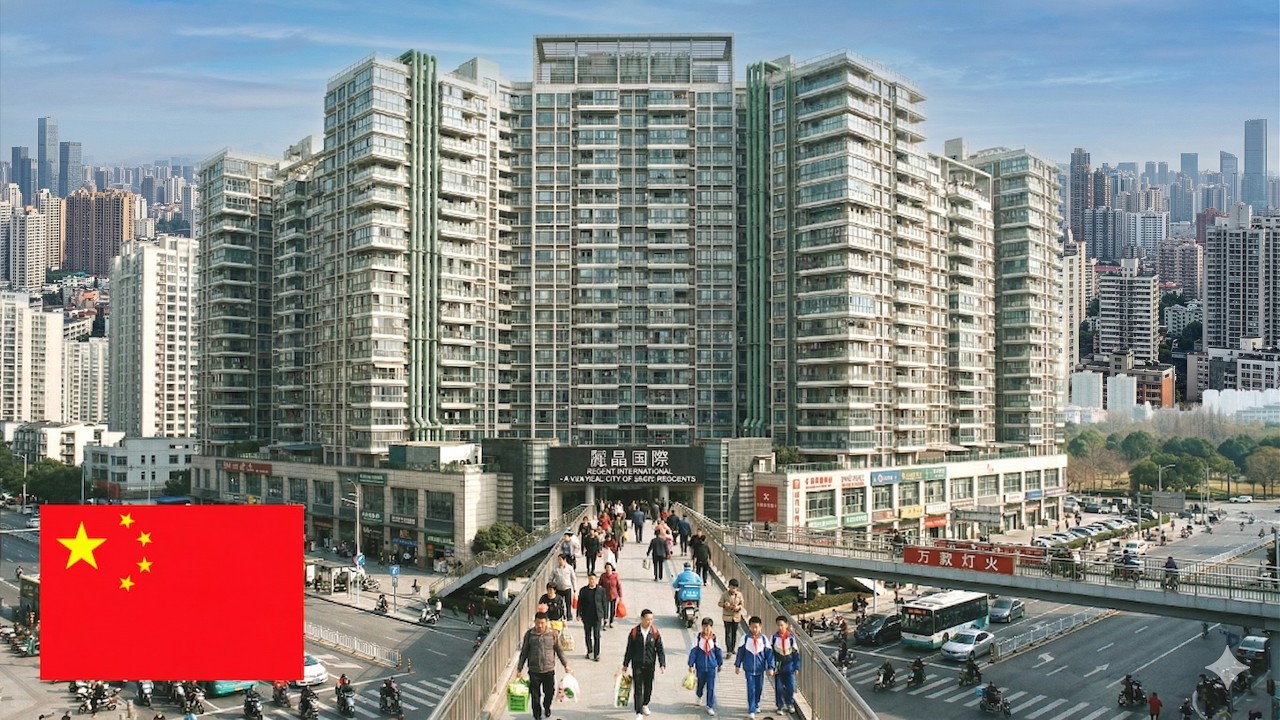
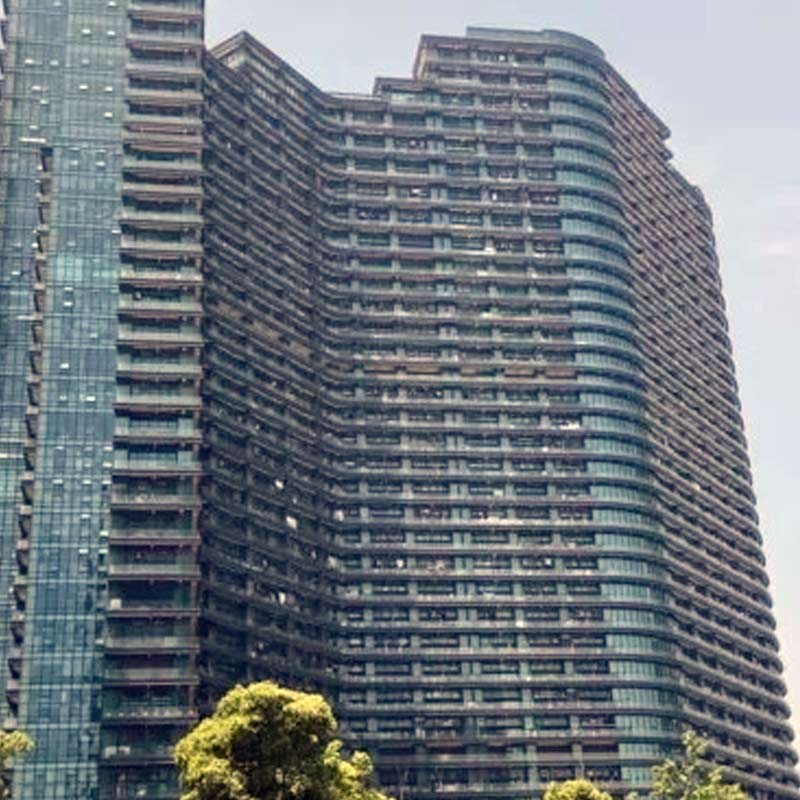
In the capital of China’s Zhejiang province, a YouTuber known as Where to Next ventured into one of the world’s most extraordinary residential complexes to reveal what life is really like inside the Regent International Center in Hangzhou. As housing costs continue to squeeze young people across the globe, this massive 675-foot-tall building stands as a peculiar answer to urban overcrowding, housing approximately 20,000 people in a self-contained vertical city where everything from work to entertainment exists under a single roof.
The building’s sheer scale and purpose-built design have earned it comparisons to the dystopian television series Black Mirror, a label that captures the eerie feeling of such concentrated living. Yet the complex offers something far more pragmatic than sci-fi nightmare: affordable housing in one of China’s most expensive cities, complete with amenities that make stepping outside almost unnecessary.
Originally designed by architect Alicia Loo as a luxury six-star hotel, the Regent International was intended to cater to wealthy travelers seeking premium accommodations. Loo, the chief designer of Singapore’s world-renowned Marina Bay Sands Hotel, envisioned a sophisticated property in the heart of Qianjiang Century City. However, economic shifts and urbanization redirected the project’s purpose. The building opened in 2013 not as a hotel but as a massive residential complex, transforming from a retreat for the affluent into a home for thousands of young professionals, students, and recent graduates seeking affordable accommodation in Hangzhou’s competitive housing market.
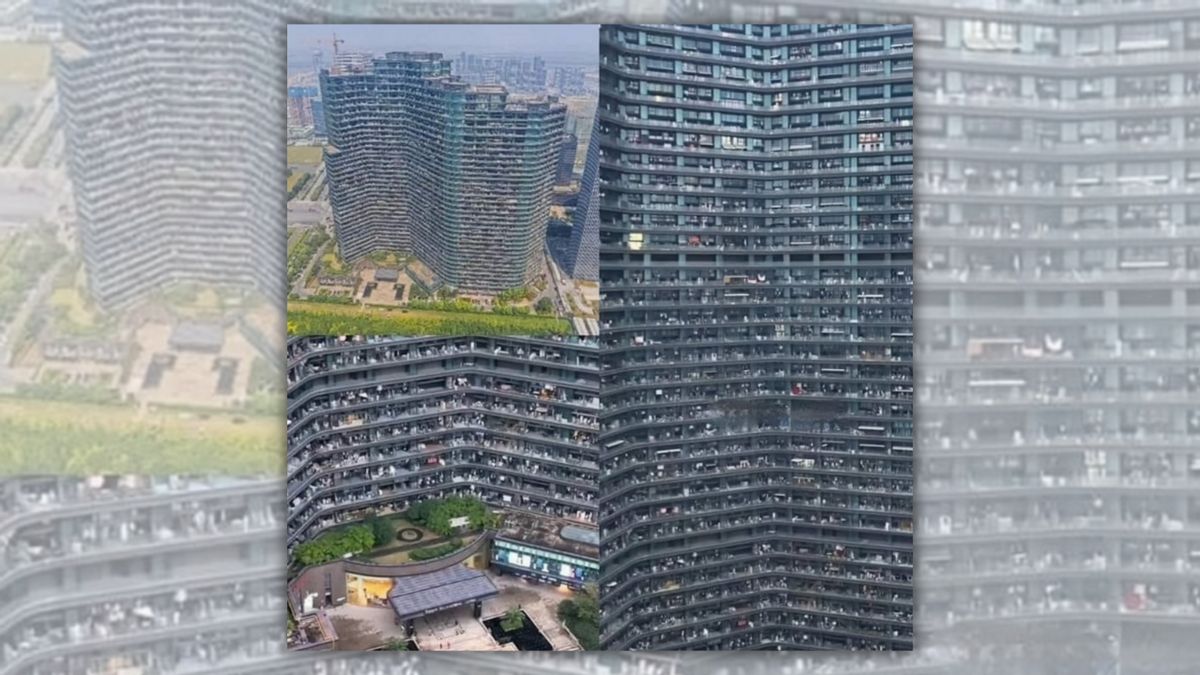
Inside the S-shaped tower, YouTuber Where to Next discovered over 5,000 apartments of varying sizes, each offering glimpses into the building’s urban ecosystem. The smaller units without windows typically rent for around 1,500 RMB per month—approximately £167.58—a remarkable price point that explains much of the building’s appeal for cash-strapped residents. Larger apartments featuring balconies command higher rents of around 4,000 RMB monthly, equivalent to roughly £446.88. While touring one of these modest dwellings, the creator noted the impressive views of Hangzhou available from the balcony, though he quickly realized that many spacious apartments are subdivided into multiple smaller units, leaving residents with extremely limited personal space.
The architecture reflects a ruthless dedication to density maximization. Dining tables in some units accommodate just a single person, and peeling wallpaper in certain apartments underscores their bargain-basement pricing. Yet the building functions as a complete ecosystem, designed so residents genuinely need never venture outside. Within its 260,000 square meters of internal space sit supermarkets, restaurants, hair salons, nail salons, a rooftop bar, beauty treatments, a food court serving Chinese cuisine, swimming pools, gyms, schools, and even a hospital. A subway station sits directly at the building’s entrance, connecting residents to the wider city when they do choose to leave.
The most unsettling observation during the YouTuber’s visit concerned privacy. “You get the feeling you’re being watched the whole time, and that’s because you are,” he noted, pointing out that the extreme proximity between apartments—with minimal soundproofing and clear sightlines between neighboring units—creates an atmosphere of constant visibility. The upside, he suggested, is that residents living so closely are virtually guaranteed to make friends simply through proximity.
However, residents tell a different story about the much-publicized dystopian narrative. In reports from early 2025, current inhabitants pushed back against the “demonized” external perception, acknowledging that while the building’s Internet-famous reputation sometimes feels sensationalized, the genuine convenience and comfort of having virtually every daily necessity within walking distance provides tangible, practical benefits for young people trying to build lives in an expensive city. Some have even joked that the building’s collective economic output rivals that of entire Chinese counties.
The Regent International Center represents a distinctly modern phenomenon in rapidly urbanizing China—a vertical solution to housing crises that prioritizes functionality over traditional urban experience. While the concept might evoke dystopian imagery in Western minds, for thousands of residents navigating Hangzhou’s expensive real estate market, it offers something far more compelling: affordable rent, convenience, security, and community, all stacked neatly within one imposing tower.