

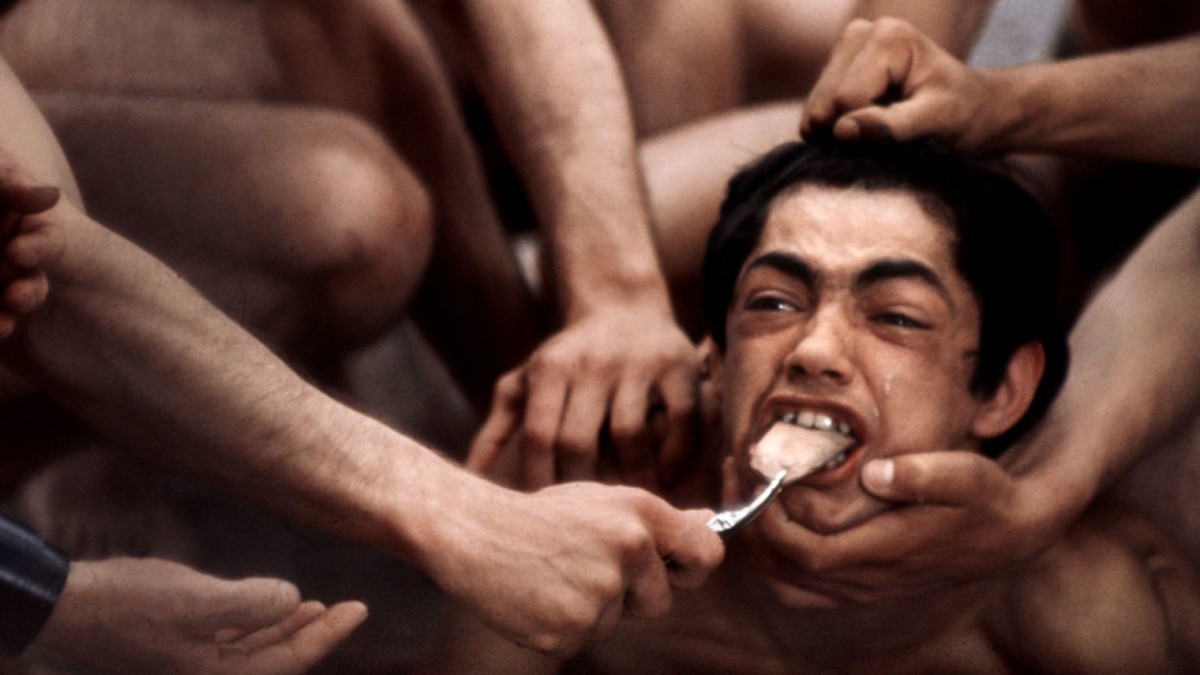
After decades of being one of cinema’s most notorious banned films, Salò, or the 120 Days of Sodom will finally be widely available to the British public when the British Film Institute releases a newly restored 4K Ultra HD version on October 26, marking a stunning reversal for a film that was deemed so offensive by British censors that police once raided a theater to seize it.
The 1975 film by Italian director Pier Paolo Pasolini follows four wealthy fascist libertines during World War II who kidnap 18 teenagers and subject them to 120 days of extreme psychological, physical and sexual torture in a secluded mansion. Adapted from an 18th-century novel by the Marquis de Sade and set against the backdrop of Mussolini’s puppet Salò Republic in northern Italy, the film has long been considered one of the most disturbing works ever committed to screen, though it is also championed by many filmmakers and critics as a profound political allegory about fascism, power and human degradation.
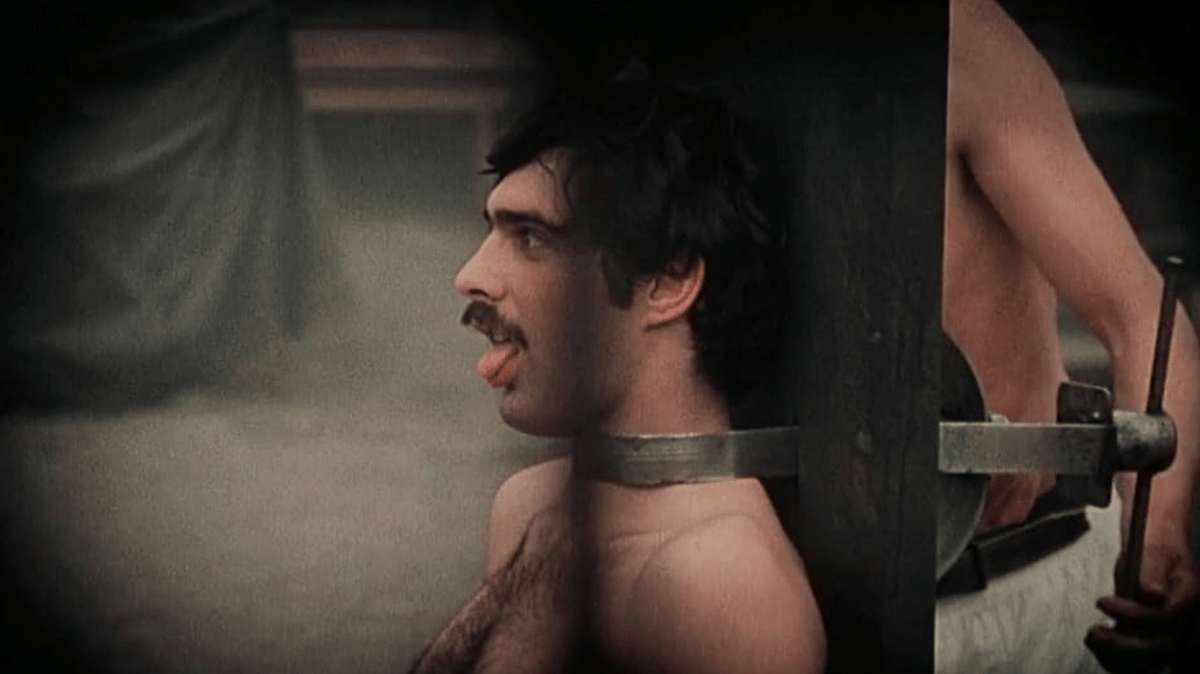
The film faced an immediate onslaught of censorship challenges. When first submitted to the British Board of Film Classification in January 1976, it was rejected outright, with officials citing “gross indecency.” BBFC secretary James Ferman called it “one of the most disturbing ever to be seen by the Board,” while simultaneously acknowledging its “deeply serious” artistic purpose. Despite the harsh language, Ferman opposed editing the film, believing that cuts would “destroy the film’s purpose by making the horrors less revolting and therefore more acceptable.”
In 1977, an uncut version was shown at the Old Compton Cinema Club in London’s Soho. The Metropolitan Police responded by raiding the venue, confiscating the film and threatening legal action against the theater owners. Ferman subsequently prepared a heavily edited version, removing six minutes of footage and adding an explanatory prologue, which circulated in selected cinemas throughout the 1970s and 1980s under club conditions that skirted formal certification requirements.
The film remained effectively banned in Britain for 24 years until a fundamental shift in censorship standards led the BBFC to reconsider. In 2000, new guidelines establishing that the board would only intervene in material for adults if it was demonstrably illegal or harmful prompted a resubmission of the uncut original. The film finally received approval with an 18 certificate in November 2000 and was released on home video the following year. The decision acknowledged that while the film’s content remained extreme and graphic, its serious artistic and political intent placed it outside the scope of material the board would suppress.
The upcoming 4K restoration represents a watershed moment for a work that has spent most of its existence in the shadows. The comprehensive release includes extensive supplementary materials including documentaries about Pasolini, interviews with filmmakers who have championed the film, and commentary from contemporary artists. The British Film Institute’s description emphasizes that Salò “is a film about power, corruption, and the degradation of the human body,” positioning it as a cultural and politically vital work despite its extreme imagery.
The film’s rehabilitation in critical circles is striking given its initial reception. Major filmmakers including Michael Haneke, Brady Corbet, Catherine Breillat and John Waters have spoken publicly and fondly of the film in recent decades. Waters has stated he wished he had made it himself. Film scholars and critics have increasingly framed Pasolini’s vision as a serious work of political cinema rather than gratuitous exploitation, with the film inducted into the Criterion Collection in 2008 and regularly appearing on lists of greatest films of all time.
The story behind the film adds to its mystique. Pasolini completed production on Salò just weeks before his murder on November 2, 1975, on a beach outside Rome. He never lived to see it released. The film premiered in Paris on November 23, 1975, shortly after his death, and was banned in Italy in January 1976. Over 50 years later, it remains banned in numerous countries, though the British release represents a significant loosening of restrictions in major Western markets.
The irony is not lost on observers that a film which sparked police raids and prosecutorial threats is now being presented by a major cultural institution as a restoration-worthy masterpiece deserving of high-quality home viewing. The 4K version will offer viewers an opportunity to engage with one of cinema’s most controversial works on their own terms, free from the legal and institutional obstacles that kept it hidden for so long.