

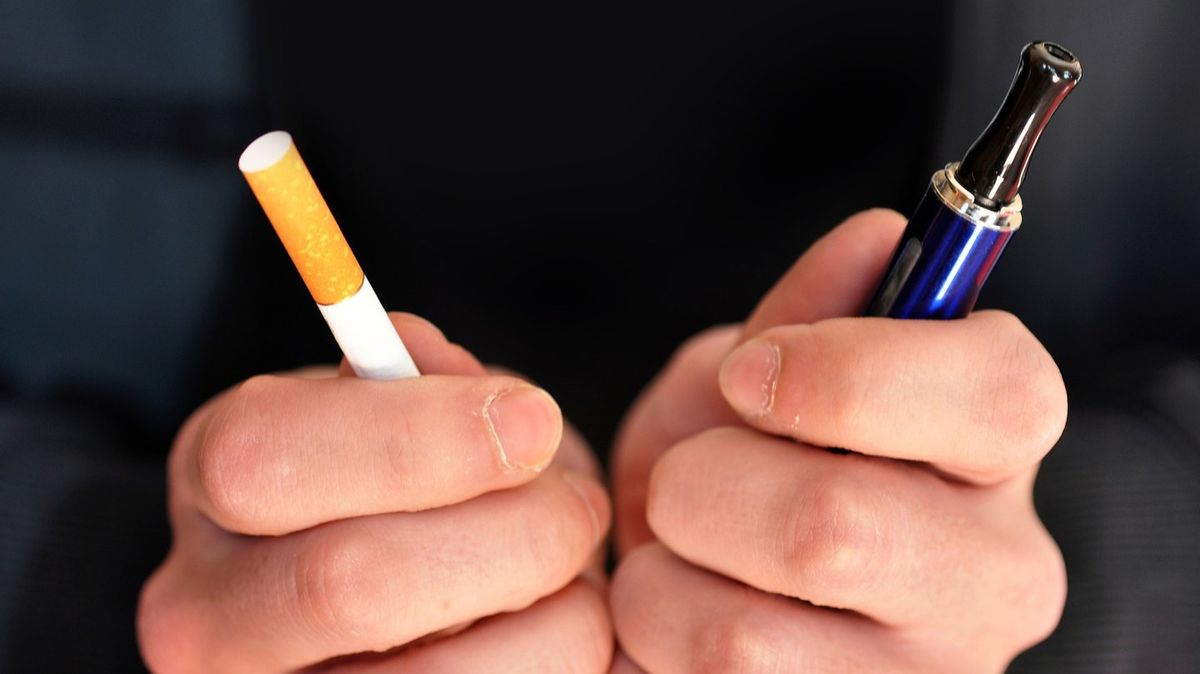
A doctor has ranked smoking, vaping and nicotine pouches by health risk, with one method emerging as the clear worst.
Dr. Rayyan Zafar, speaking with the Metro, declared that “cigarettes, by a very large margin,” are the most harmful nicotine delivery method for overall health and wellbeing. The London-based addiction researcher and harm reduction specialist broke down the relative dangers of the three increasingly common consumption methods as debate continues over how to regulate each product.
Zafar’s core warning applies across all categories: “If you do not use nicotine, do not start.”

The doctor explained that “there is no safe level of cigarette smoking. Even smoking relatively few cigarettes can cause disproportionate cardiovascular harm.” Smoking is linked to lung cancer and cancers of the mouth, throat, larynx, oesophagus, pancreas, bladder and kidney. Zafar noted these issues are commonly “caused by inhaling the toxic chemicals produced when tobacco burns, rather than by nicotine itself.”
Vaping sits in the middle of the risk spectrum, though Zafar emphasized significant unknowns remain. He said the vapour may contain fine particles, metals, aldehydes, and chemicals that irritate or inflame the airways, which could cause side effects including a cough, dry mouth, sore throat, headaches, and nausea.
The researcher pointed out that without the “decades of evidence needed to calculate vaping’s precise lifetime risks,” it’s still too early to detail the full extent of damage vaping can cause. The CDC has documented that e-cigarette aerosol can contain cancer-causing chemicals, heavy metals including nickel, tin and lead, and volatile organic compounds, while the American Heart Association has warned that nicotine increases blood pressure, heart rate and blood flow to the heart while narrowing artery walls.
Nicotine pouches, the newest and least studied of the three, may be the “least harmful” form by Zafar’s assessment. However, he cautioned that these tobacco-free products are still relatively new, meaning limited research exists on long-term effects of regular use — similar to the situation with vapes. The FDA has authorized 30 nicotine pouch products after scientific review, while noting they are not risk-free and contain addictive nicotine that can deliver harmful chemicals.
Zafar urged: “Nicotine pouches should not be used by children, pregnant people or adults who do not already use nicotine. I am particularly concerned about marketing which encourages users to start low… this needs to be urgently looked at.”
The expert also emphasized that user context dramatically changes the risk calculation. He explained: “For a smoker who switches completely to a regulated vape or tobacco-free pouch, this is likely to represent a substantial reduction in harm. For a child or an adult who has never smoked, starting to vape or use pouches provides no health benefit and introduces a risk of dependence.”
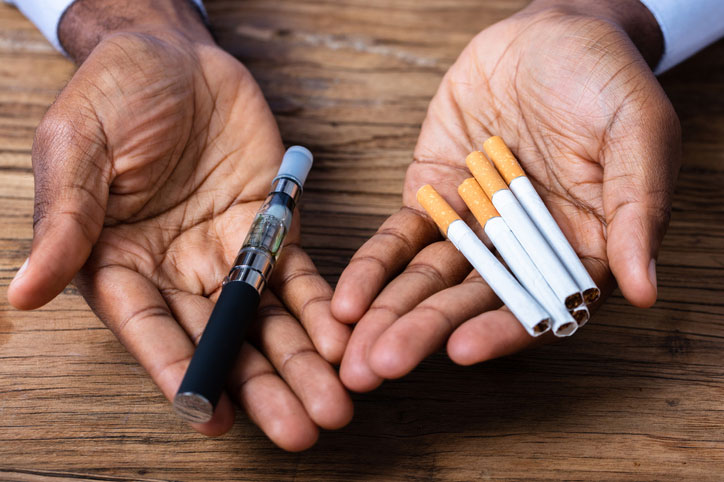
Dual use emerged as another critical concern in Zafar’s analysis. “Somebody who vapes or uses pouches but continues to smoke may retain much more smoking-related risk than they realise,” he said. “The greatest health benefit comes from switching completely.”
Zafar’s ranking has circulated widely as consumers and policymakers grapple with how to interpret emerging evidence on newer nicotine products. The WHO maintains that all forms of tobacco use are harmful with no safe level of exposure, while the FDA has carved out a harm-reduction framework allowing certain vape and pouch products to be marketed as lower-risk alternatives for adult smokers who switch completely.
Sales data shows nicotine pouches are gaining traction rapidly. Retailers sold more than 126 million units between August and December 2019, with sales climbing to nearly 810 million units between January and March 2022, according to industry tracking. The American Heart Association has noted that pouches with higher nicotine content have increased faster than lower-strength versions, and that more than 85% of users select flavored options.
Among youth, nearly 500,000 middle and high school students currently use oral nicotine pouches, with mint and fruit dominating flavor preferences. The products’ discreet nature allows use without adults noticing, contributing to their appeal.
Zafar’s analysis aligns with broader public health messaging that emphasizes complete cessation as the ideal outcome, while acknowledging that for existing smokers, switching fully to lower-risk products may reduce harm compared to continued cigarette use.