

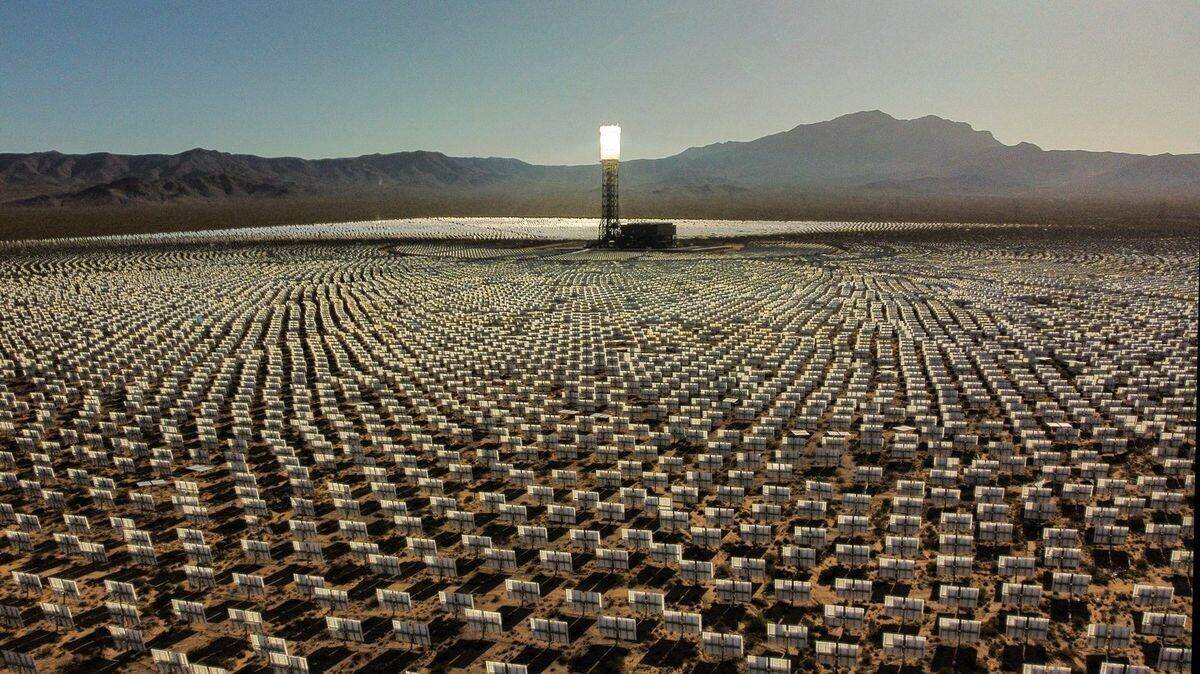
The California Public Utilities Commission has rejected a deal to shut down the Ivanpah solar farm, keeping the beleaguered $2.2 billion plant open against the wishes of both the Trump and Biden administrations.
The Ivanpah Solar Electric Generating Station, located near the California-Nevada border in the Mojave Desert, was slated for closure under an agreement negotiated by the Biden-era Department of Energy with plant owners and Pacific Gas & Electric. The deal would have terminated long-term power purchase contracts years ahead of their 2039 expiration date. Gregory Beard, senior adviser to the DOE Office of Energy Dominance Financing under Trump, wrote to the CPUC last month urging the agency to accept that same deal, making this a rare instance of policy continuity between the two administrations.
The CPUC voted to reject the termination agreements, citing grid reliability concerns and exponentially rising electricity demand driven by data centers powering artificial intelligence. Regulators warned that closing Ivanpah could strand more than $300 million in ratepayer-funded transmission infrastructure while removing existing clean generation from a grid facing supply challenges. The decision document noted that recent federal policy shifts have created “a more hostile permitting environment for all new renewables,” with tax credit uncertainty, new tariffs on imported equipment, and tighter land-use rules making replacement projects more uncertain.
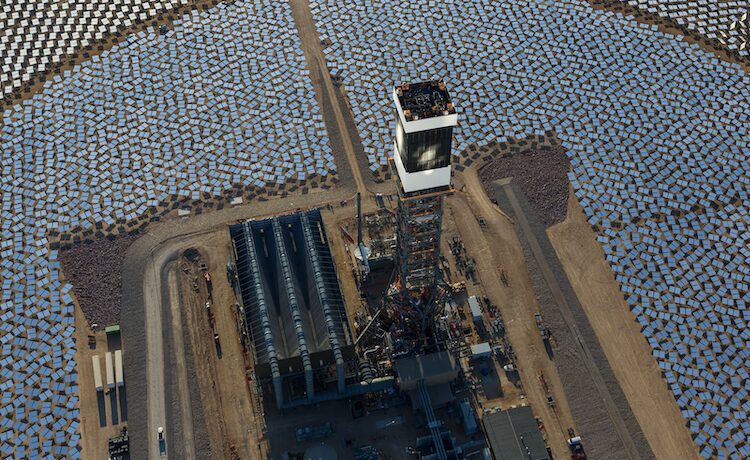
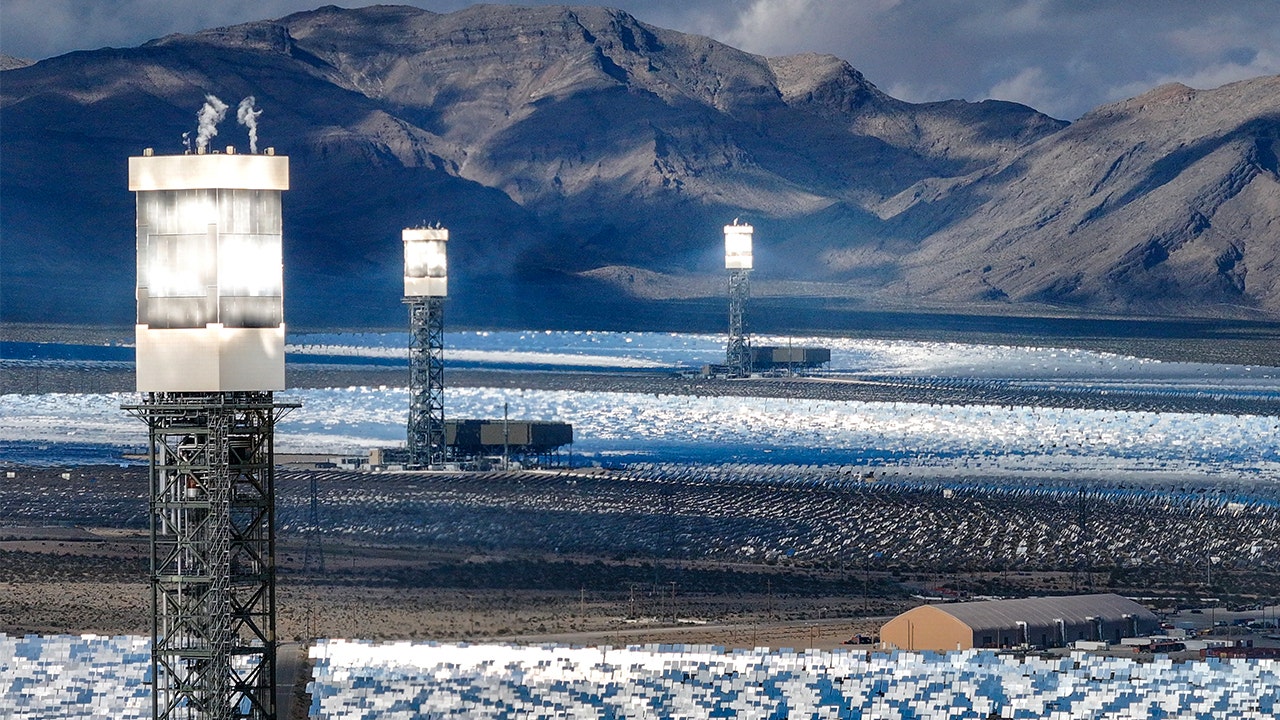
Energy consultant Edward Smeloff assessed the plant’s core technology. “It simply did not scale up. It’s kind of an obsolete technology [that’s] been outpaced by solar photovoltaic technology,” he said. The plant uses concentrated solar power with roughly 350,000 mirrors mounted on more than 170,000 heliostats to focus sunlight onto three 459-foot towers, generating steam to drive turbines. When it opened in February 2014, Ivanpah was the world’s largest CSP facility and nearly doubled U.S. Solar thermal energy production. But without thermal energy storage, the direct-steam system cannot adapt to shifting grid conditions and requires natural gas backup during startup and standby operations.
Dan Reicher, an academic at Stanford, weighed the tradeoffs in comments to the LA Times. “We’re seeing massive electricity demand, especially from the great need for data centers, and we’re seeing grid reliability issues, so all in all, I think this was a wise move,” he said.
Reicher continued: “Having said that, I think reasonable people can differ on this one – it’s a closer call.”
He added: “I lean toward keeping it online, running it well and making improvements, particularly as we face an electricity shortage the likes of which we haven’t seen in decades.”
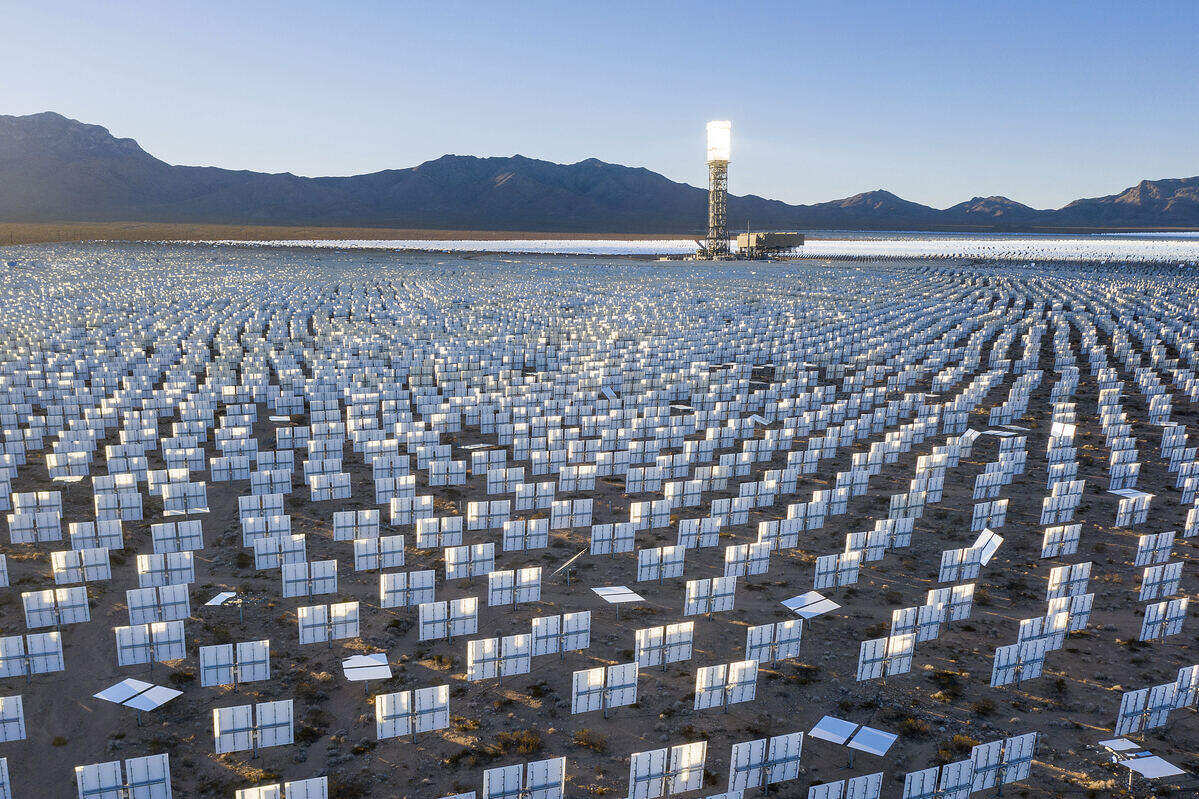
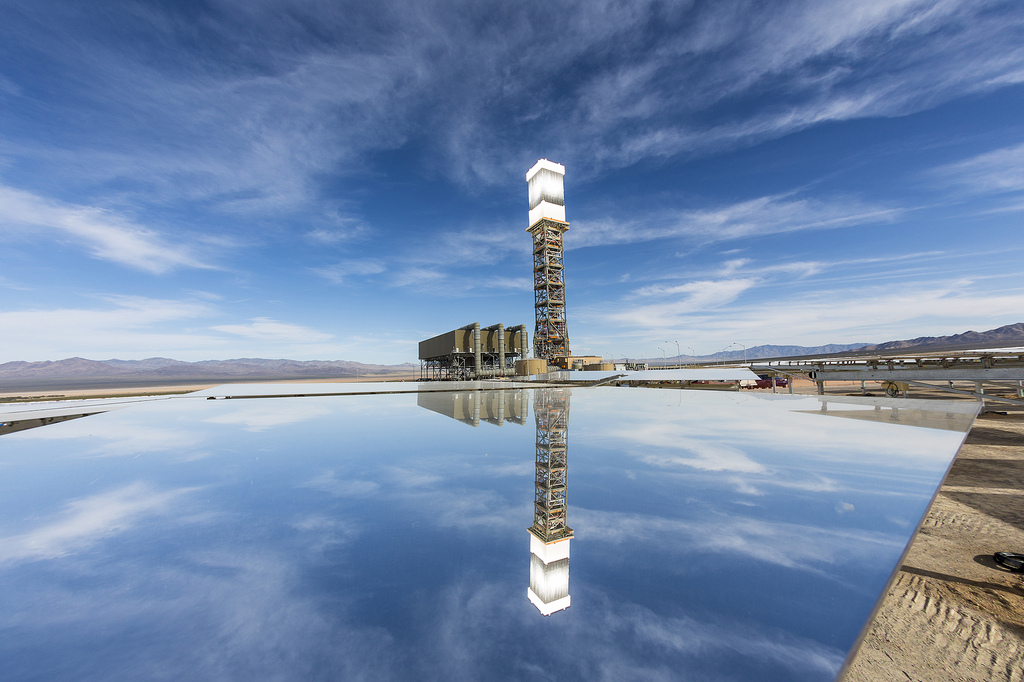
The plant’s problems extend beyond outdated economics. It relies on natural gas to supplement operations, undermining its clean energy credentials. Wildlife impacts have drawn sustained criticism: an estimated 6,000 birds die annually after flying through the concentrated solar beams, with Smeloff explaining that “they get fried if they fly in the area where the reflection is going up to the tower.” The facility has also underperformed generation targets, operating at roughly a 17% capacity factor in 2023 compared to the 25% to 30% originally projected, according to Lawrence Berkeley National Laboratory data.
Daniel Turner, founder of the energy advocacy group Power The Future, attacked the decision. “This project makes no economic sense to keep afloat, and the market itself has shown that,” he said. “This is a boondoggle, like most of California’s large projects are a boondoggle.” He argued the plant is being kept alive for political reasons with costs passed to customers. “At some point, you have to stop throwing good money after bad,” he added.
The financial stakes involve significant taxpayer exposure. The Department of Energy provided a $1.6 billion loan guarantee for Ivanpah’s construction, with roughly $730 million to $780 million still outstanding, plus a $539 million Treasury grant covering about 30% of construction costs. Major private investors including NRG Energy and Google also poured hundreds of millions into the project. Pat Hogan, president of CMB Ivanpah Asset Holdings, has defended the plant’s viability, noting it generated about 726,000 megawatt-hours in 2024—enough to power roughly 120,000 homes.
Severin Borenstein, an energy economist at the University of California, Berkeley, contextualized the technological shift. “The technology used at Ivanpah is no longer really competitive with a new solar farm that uses conventional solar panels,” he said. “When this plant was planned, solar thermal looked like a promising approach. But photovoltaic costs fell much faster than anyone anticipated, and that changed the economics entirely.”
Ivanpah represented a breakthrough when it opened in 2014 as a flagship of the Obama-era economic stimulus program, creating 1,000 construction jobs and promising 61 permanent positions. The “mirror and tower” concentrated solar power approach was considered cutting-edge, with software-controlled heliostats tracking the sun across the desert sky. But the industry rapidly pivoted to flat photovoltaic panels paired with battery storage, which proved cheaper, more efficient, and more flexible. Ivanpah’s direct-steam design could not store energy for use when the sun sets, leaving it selling power into midday markets increasingly flooded with low-cost solar that sometimes drove prices negative. The plant became an expensive relic, unable to compete with the very renewable revolution it helped pioneer, yet too financially entangled with federal loans and private investments to unwind cleanly.
NRG Energy, which operates the facility, said it remains committed to running the plant under existing agreements. The CPUC’s decision leaves PG&E and plant owners exploring options, with some analysts suggesting a retrofit to molten-salt thermal storage could improve economics—though such a conversion would require substantial new investment and technical expertise now concentrated in countries like China.