


A viral simulation has revealed exactly how Ozempic works inside the body after injection, and viewers are finding the internal mechanics both fascinating and unsettling.
The YouTube video from creator @ZackDFilms, whose animations break down complex medical processes for millions of subscribers, maps out the journey of semaglutide once it enters the bloodstream. Ozempic, 47, a GLP-1 medication manufactured by Novo Nordisk, was originally licensed for Type 2 diabetes treatment but has exploded in popularity for weight loss when combined with diet and exercise. Sharon Osbourne, 71, Rebel Wilson, 44, and Oprah Winfrey, 70, have all publicly confirmed using GLP-1 medications, fueling mainstream curiosity about how these drugs actually function at the physiological level.
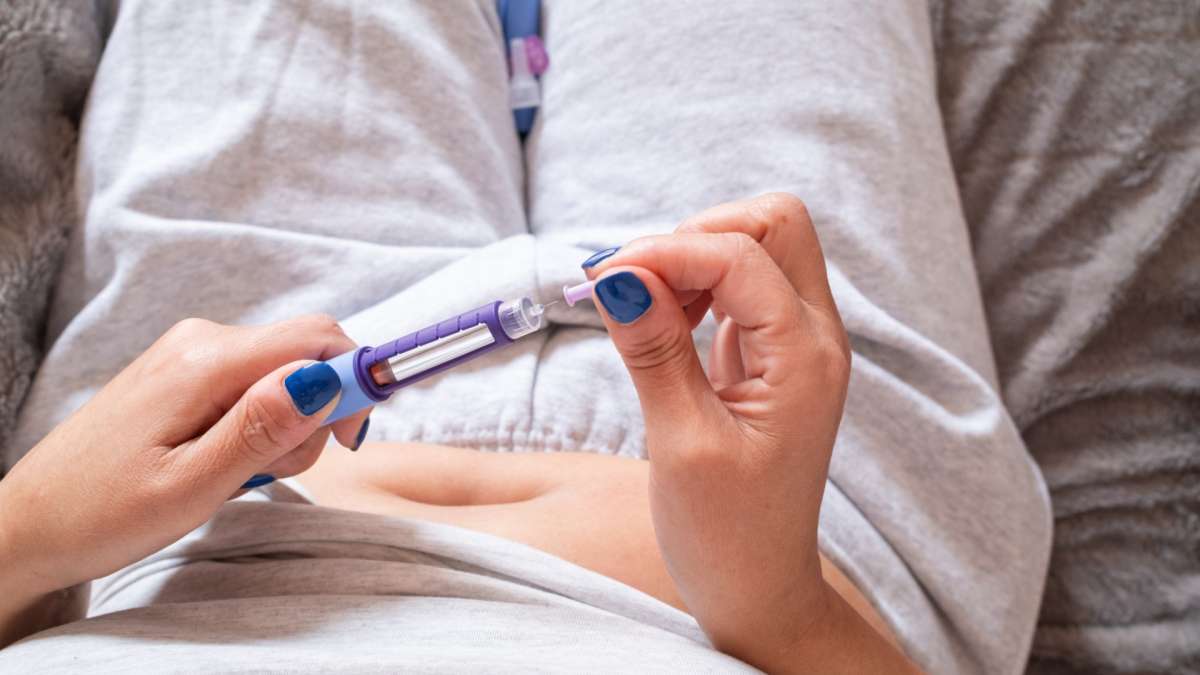
“Once Ozempic is in your bloodstream, it activates the part of the brain that make you feel full, reducing your appetite,” the video explains. The animation shows how the synthetic hormone mimics the body’s natural GLP-1, which is normally released after eating to trigger insulin production and regulate blood sugar. This stabilization of blood sugar reduces food cravings, while the medication simultaneously slows gastric emptying so food remains in the stomach longer, contributing to prolonged feelings of fullness.
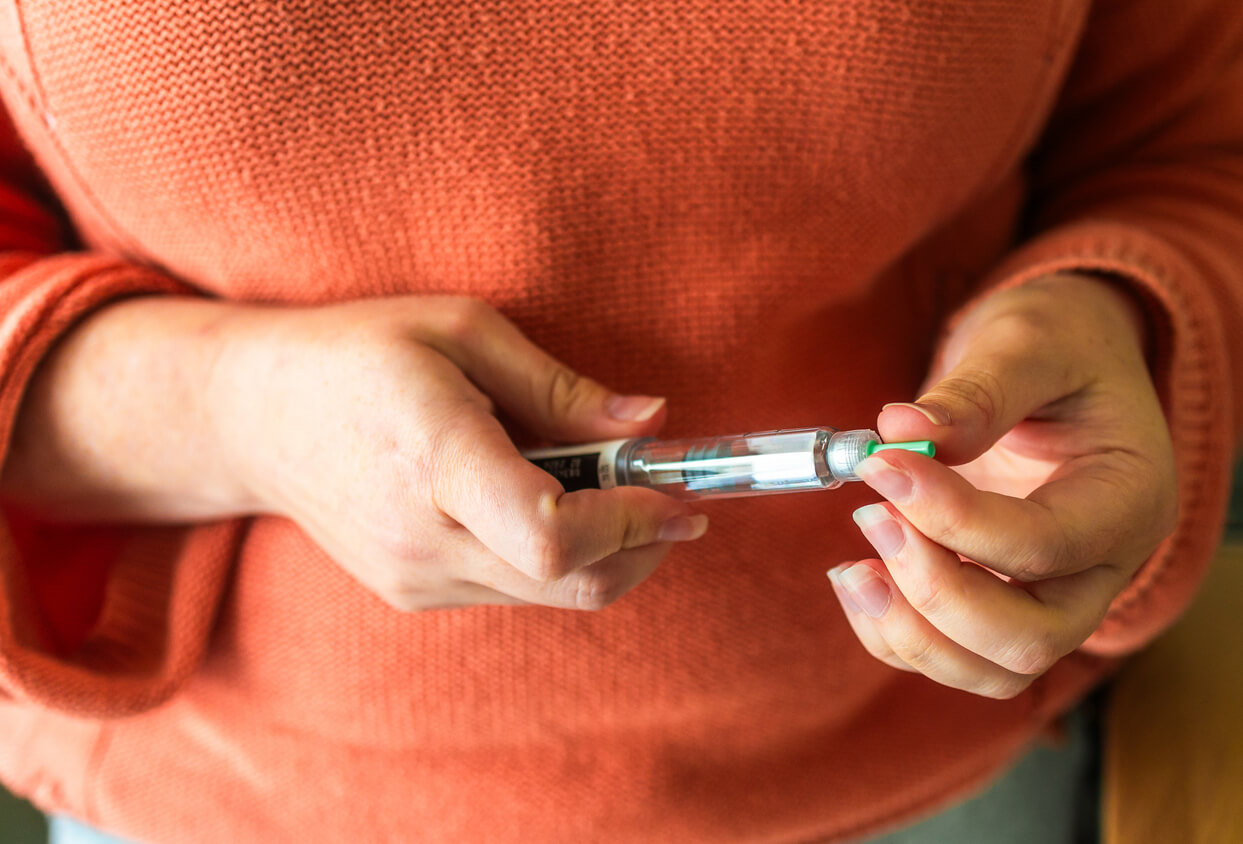
The visualization takes a visceral turn when depicting how delayed stomach emptying can trigger nausea, vomiting, or diarrhea in some users. The @ZackDFilms video warns viewers upfront that the content “may not be one for the squeamish,” and comment sections across social platforms show mixed reactions ranging from morbid fascination to renewed caution about side effects. While many users have posted before-and-after transformation photos from GLP-1 use, the internal mechanics have received far less public attention until this simulation surfaced.
Dr Ben Bickman, a scientist and professor at Brigham Young University in Utah, expanded on concerns that extend beyond the immediate gastrointestinal effects. “You have a substantial amount of lean mass that’s getting loss as the person is losing weight,” he told Thomas DeLauer in an interview. “To make that clear, for every ten pounds of weight loss, only six is fat – four of it is coming from non-fat sources like muscle and bone.”
Dr Bickman added: “While muscle and bone mass might never return, the body has no trouble regaining fat mass.”
He continued: “What’s more, one study found that one version of these drugs, actually stimulates the production of new fat cells.”
“This becomes a problem because when a person start to regain fat mass after stopping Ozempic, with more fat cells comes a greater potential to gain more fat,” Dr Bickman explained. “As a result, even though a person may still weight less than they did before starting the drug, they may be fatter, with a higher percentage of body fat.”
The @ZackDFilms simulation distilled years of clinical understanding into a three-minute animation that has been shared across TikTok, Twitter, and Reddit, racking up millions of views. The video’s power lies in making visible what pharmaceutical labels describe in abstract terms: the drug’s dual action on brain satiety signals and digestive timing. Medical professionals have noted that while the animation simplifies complex endocrinology, it accurately captures the mechanism that has made GLP-1 drugs both revolutionary and controversial. The FDA has approved Ozempic specifically for diabetes treatment, while semaglutide medications from other manufacturers carry weight-loss licensing, creating a regulatory gray area that has driven much of the off-label prescribing.
The branded medication Ozempic itself is not actually licensed for weight loss, though semaglutide medications from other manufacturers are licensed for that purpose. Studies have shown that one year after stopping once-weekly semaglutide injections, participants regained two-thirds of the weight they had lost, suggesting ongoing treatment may be necessary for sustained results. Nausea remains the most commonly reported side effect and the leading reason patients discontinue use, according to clinical data.
Novo Nordisk continues to expand production capacity to meet global demand for semaglutide products.