

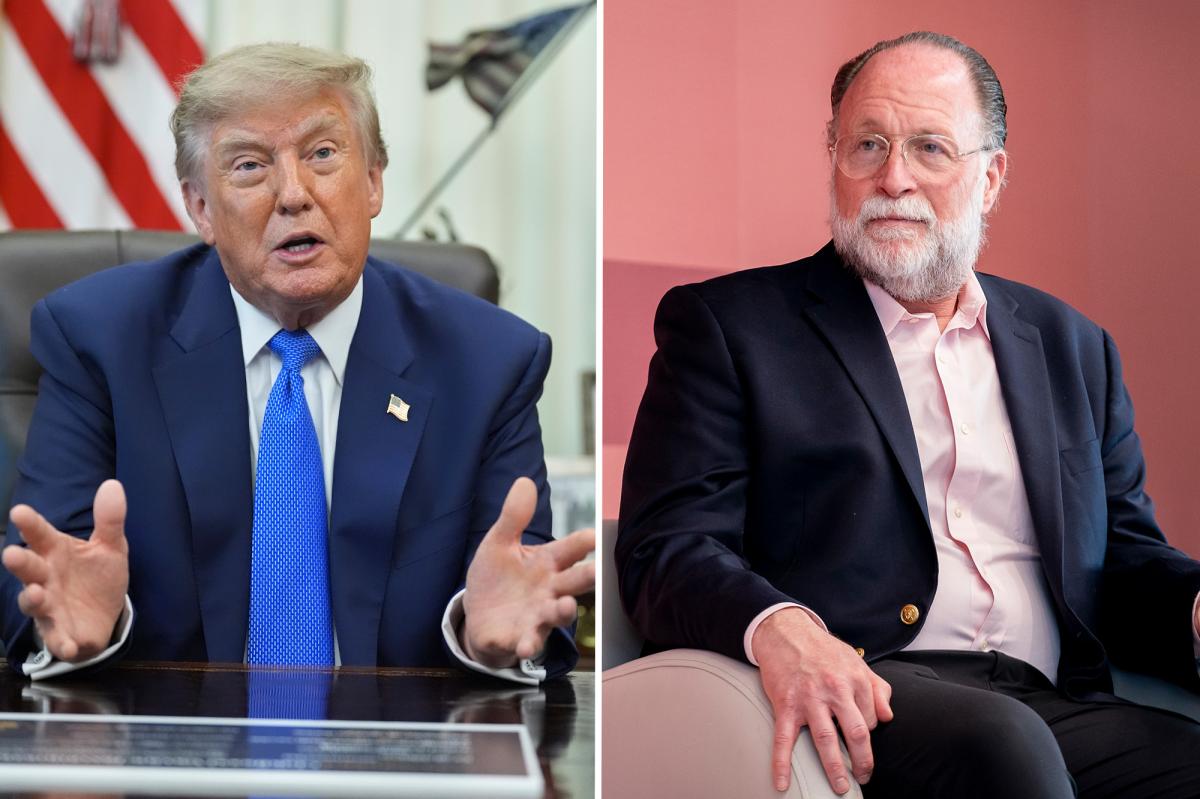
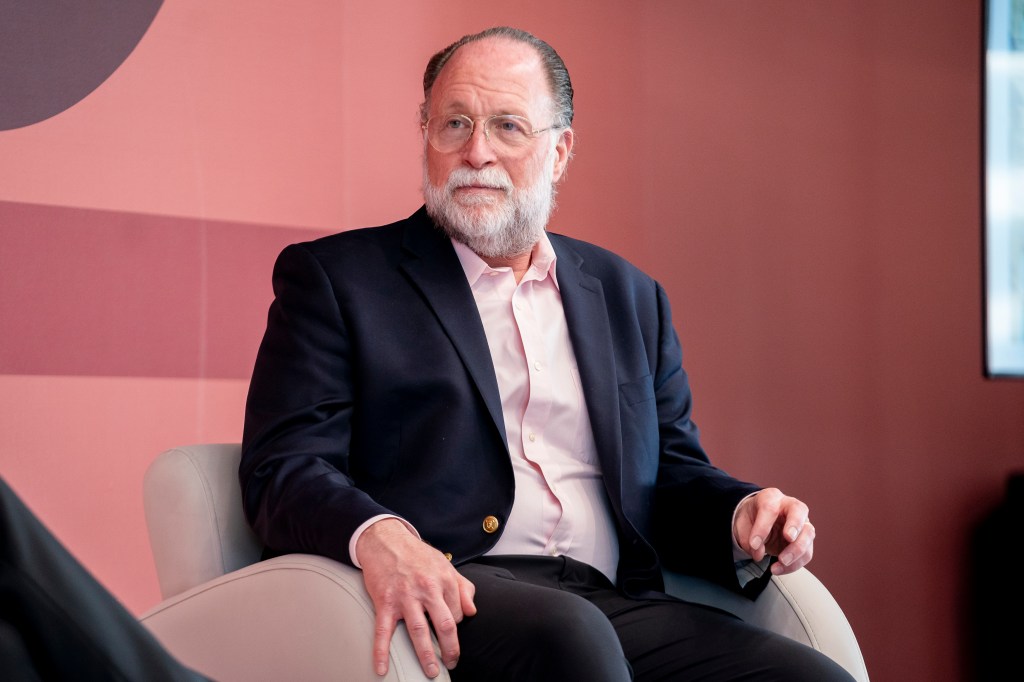
Ricardo Hausmann, 70, has broken his silence after his anti-Trump Financial Times op-ed was found to be largely AI-generated.
The Harvard Kennedy School professor addressed the controversy in a statement to the FT, explaining that he had used artificial intelligence to condense a longer draft before submitting the piece. The column, which criticized President Trump’s tariff policies, was published Thursday and quickly drew scrutiny from readers who noted its stilted, mechanical prose.
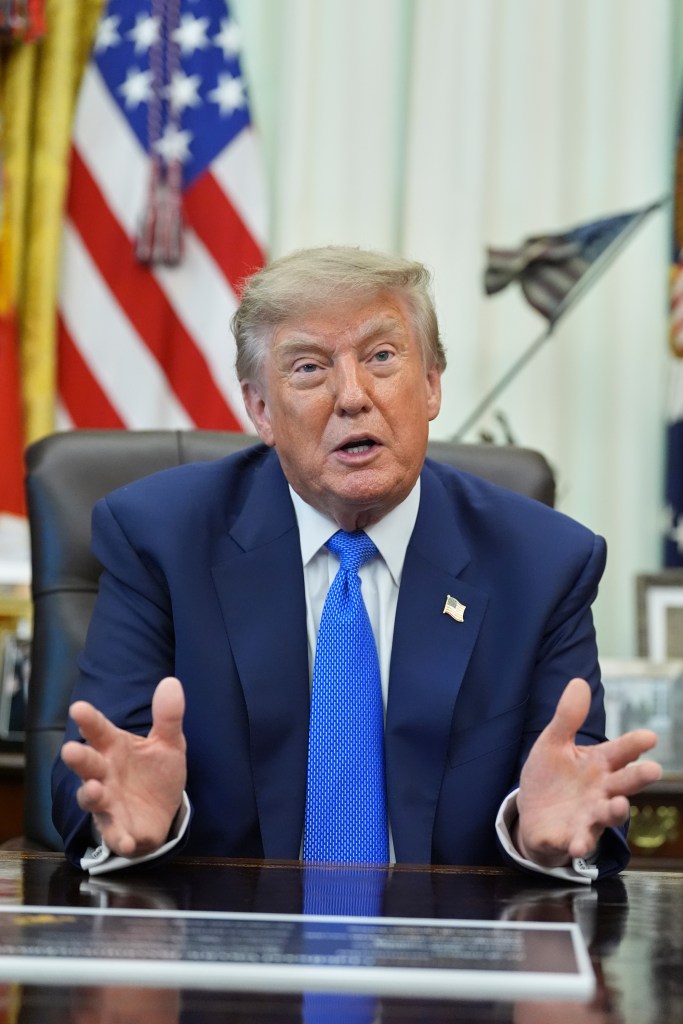
The FT appended an editorial note to the article stating that “AI was used to condense a longer draft of this column prior to submission to the FT and our own editorial involvement.” The note added that “the FT editorial code of conduct specifically prohibits the use of AI in the writing process.” The 841-word piece was flagged by AI detector Pangram as 71% AI-generated, a finding that circulated widely on social media after an X user shared the analysis.
Social media reaction was swift and unsparing. “Gotta be the worst AI slop I’ve seen in a major publication,” one X user wrote. The term “slop,” increasingly used to describe low-quality AI-generated content, became the dominant frame for the controversy. Another X user shared the Pangram detection results, amplifying the scrutiny beyond typical academic or media circles.
Michael Socolow, a professor at the University of Maine, voiced particular concern about the signal it sent to students. In a social media post, he wrote: “It’s going to be very difficult this academic year trying to encourage students to write persuasively with creativity, individuality, and style… when a star Econ professor at Harvard Kennedy School publishes such easily ID’ed AI slop in the Financial Times.”
Even figures familiar with Hausmann’s body of work expressed dismay. Bloomberg’s Joe Weisenthal, who described having “learned a lot” from Hausmann and “enjoyed talking with him” in the past, wrote on X: “I find this astonishing, both in its writing and its publication.” The sentiment suggested that the revelation struck not just at procedural norms but at the credibility of a respected voice in economics.
Hausmann, a former government minister in his native Venezuela, built a career analyzing economic development and growth. His academic work has been widely cited, and his commentary on Latin American economies has appeared in major publications for decades. The FT piece on Trump’s tariffs represented a familiar subject area—trade policy—but the method of its production represented a sharp departure from the personal analysis readers had come to expect.
The incident arrives at a moment of intensifying debate about AI use in academic and journalistic contexts. Harvard itself has grappled with how to handle generative AI, with faculty policies varying widely across departments. A 2024 Harvard Undergraduate Association report found that nearly 90 percent of undergraduates used generative AI, with students estimating the real figure was higher. Some courses have banned AI entirely from the writing process, while others permit it as a research tool with proper citation.
Christopher W. Stubbs, chair of the Generative AI Faculty Advisory Committee, has said Harvard’s “overall philosophy” is to let faculty decide course-by-course how to approach the technology. “I don’t anticipate us issuing some global edict,” Stubbs told The Harvard Crimson. That decentralized approach, however, leaves gaps when faculty themselves become the subject of scrutiny.
Readers identified telltale signs of AI generation in Hausmann’s prose—repetitive structures, generic transitions, and an absence of the distinctive analytical voice that characterized his earlier work. The Pangram detection score of 71% provided quantitative backing for what many had already sensed intuitively. The FT’s paywall, which placed the AI-assisted content behind a subscription barrier, added another layer of frustration for critics who noted that readers were effectively paying for machine-generated analysis.
The FT and Harvard Kennedy School were approached for comment as the controversy unfolded. The FT’s editorial note represented the publication’s formal response, while the Kennedy School did not immediately issue a separate statement. Hausmann himself did not respond to initial requests for comment beyond his statement to the FT explaining the condensation process.
The episode has resonated beyond the immediate circle of economics and media watchers because it inverts the typical narrative of AI anxiety in academia. Where professors have increasingly policed student use of generative tools, a senior faculty member’s apparent reliance on AI to produce commentary for a major publication struck many as a betrayal of the craft. The paywall element—charging readers for content that required minimal human creative labor—amplified the sense that something fundamental had been violated.