

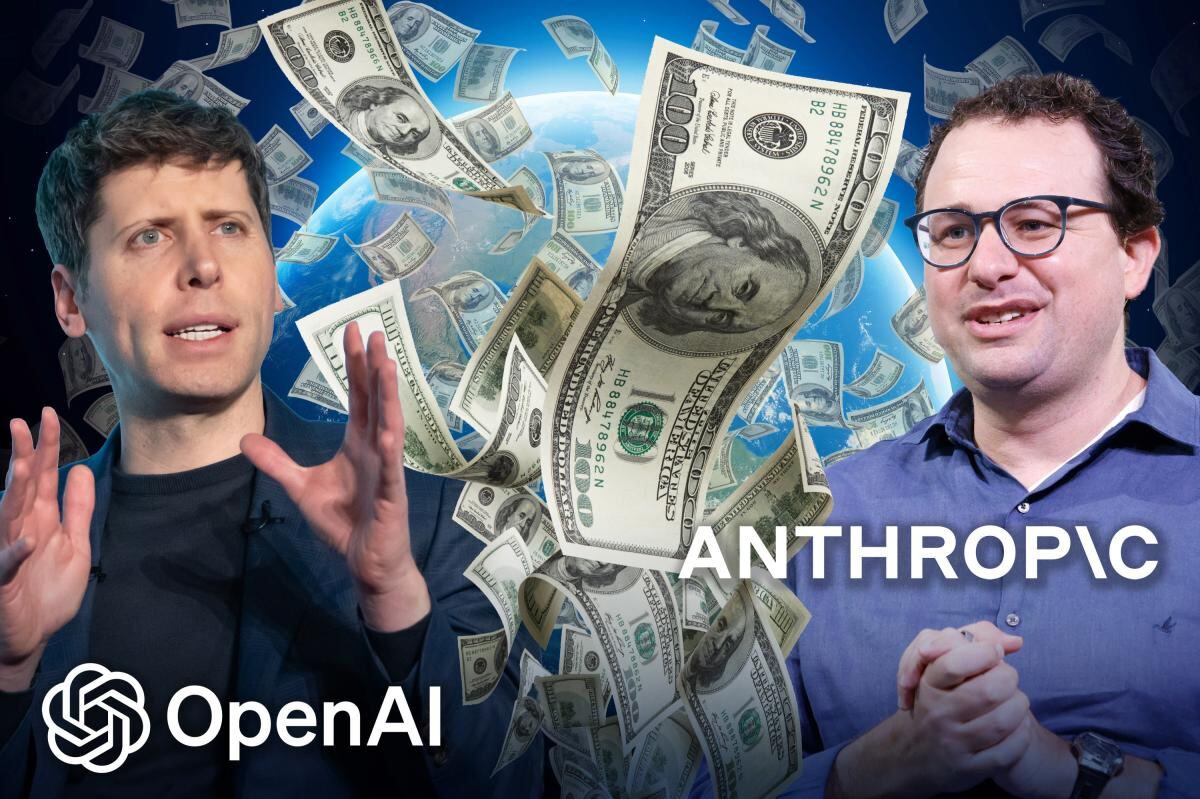
IPO filings by OpenAI and Anthropic could unlock an estimated $430 billion in charitable giving, sparking comparisons to the Gilded Age.
Nick Allardice, who leads the charity GiveDirectly, told The Economist that the windfall represents a singular opportunity for global impact. “This could be a moment where hundreds of millions of lives can be improved, and there may not be many moments like that in history,” he said. His organization distributes cash directly to people living in poverty.
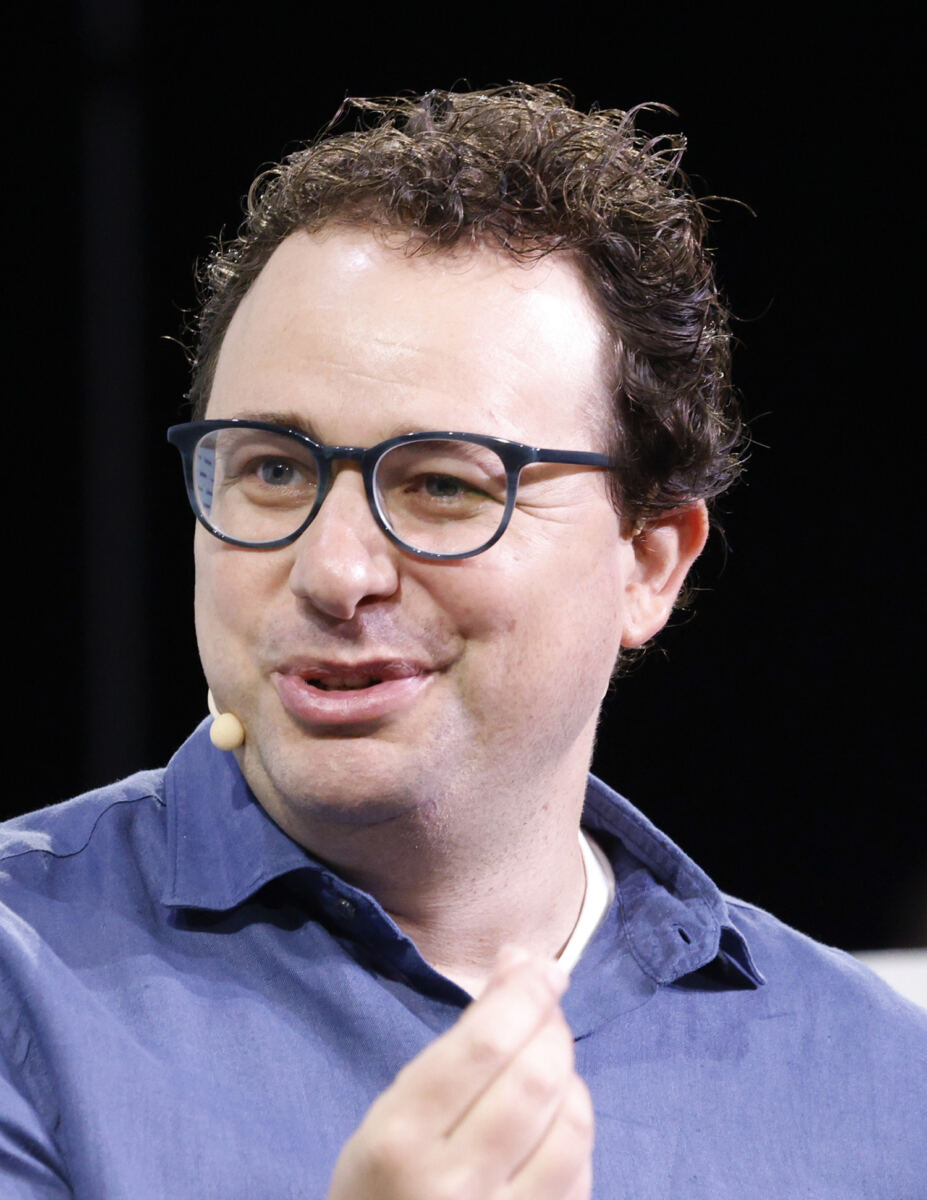

The projected donations stem from two of Silicon Valley’s most closely watched artificial intelligence companies. OpenAI and Anthropic, both of which are preparing to go public, carry estimated valuations that could exceed $1 trillion each when their shares hit the market. Those towering figures have set off a scramble among philanthropic advisors and nonprofit leaders who are now calculating what the flood of money might mean for their causes.
Anthropic’s contribution would come primarily from its seven co-founders, who have pledged to donate 80% of their personal wealth to charitable causes. That commitment alone is expected to generate roughly $110 billion for nonprofits, according to Forbes. The San Francisco-based company, founded in 2021 by siblings Dario and Daniela Amodei along with five other researchers, has also established a matching program for employee donations through donor-advised funds, which could add another $60 billion to the total.
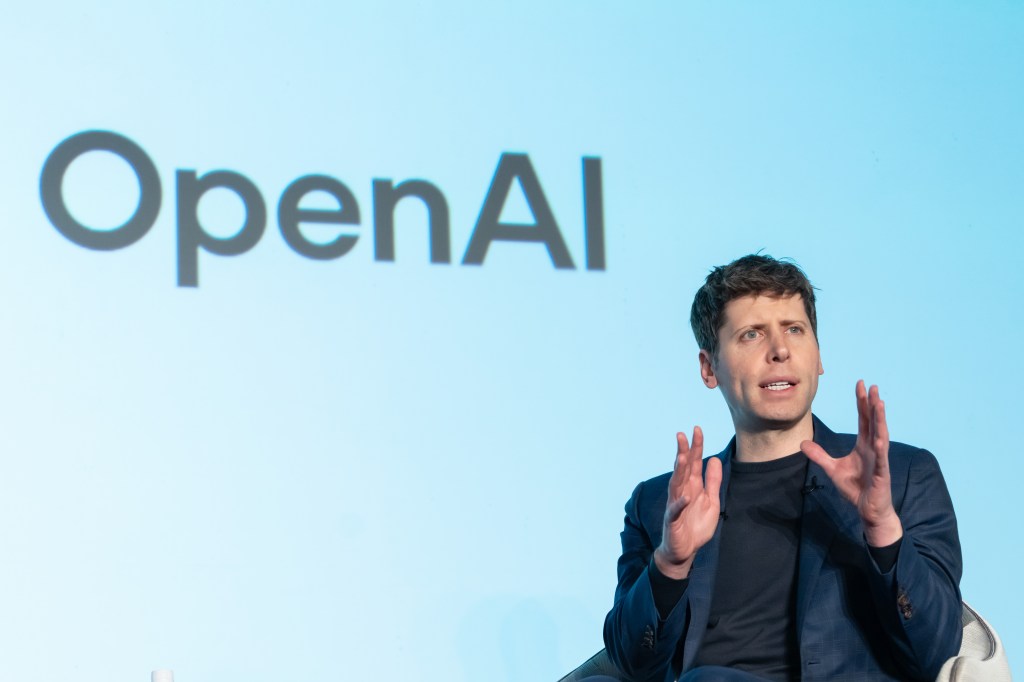
OpenAI’s charitable pipeline runs through a different structure. The company’s nonprofit arm, the OpenAI Foundation, holds a 26% equity stake in the for-profit entity. Once the IPO converts that holding to liquid shares, the foundation could have approximately $260 billion in assets to distribute through large-scale grants.
Taken together, the $430 billion in potential giving from both companies amounts to about 1.3% of America’s total gross domestic product. That figure rivals the inflation-adjusted sums that the Ford, Rockefeller and Carnegie foundations dispersed during the late 19th and mid-20th centuries, when industrial fortunes reshaped American education, public health and the arts.
The projected AI giving would also more than double the philanthropic wave that accompanied the internet boom. Between 1990 and 2018, technology companies and their founders donated approximately $230 billion to charitable causes, according to The Economist’s analysis.
The actual sums remain uncertain because neither company has set a firm date for its public offering, and market conditions could shift the final valuations significantly. The pledges also depend on the continued commitment of founders and employees who may face changing personal circumstances or competing priorities after their shares vest.
Early signs suggest the giving is already accelerating. Coefficient Giving, a philanthropic advisory firm, said it distributed $1 billion in the first six months of this year, matching its total for all of 2025. Last month, the organization increased its commitment to GiveWell, a charity evaluator, to $1 billion.
The AI companies have also moved quickly on collaborative giving. Earlier this summer, OpenAI, Anthropic and Stripe, the payments processor, jointly led a $500 million donation to support development of vaccines for cold and flu viruses. The initiative represented a tangible example of the sector’s preference for funding projects with measurable societal benefits.
Commentators across social media and financial news outlets seized on the $430 billion figure as evidence that the technology sector’s wealth accumulation was entering an unprecedented phase. The comparisons to Rockefeller and Carnegie emerged almost immediately, with some observers questioning whether any modern billionaire could match the historical scope of those industrial-era fortunes while others argued that the AI founders’ stated giving rates exceeded even those Gilded Age benchmarks.
The debate has done little to slow the planning. Nonprofit leaders say they are already restructuring their fundraising operations to handle what could be a transformative influx of capital, even as they acknowledge the uncertainty around timing and final amounts.
Neither OpenAI nor Anthropic has announced a specific IPO date, and regulatory filings remain pending.