

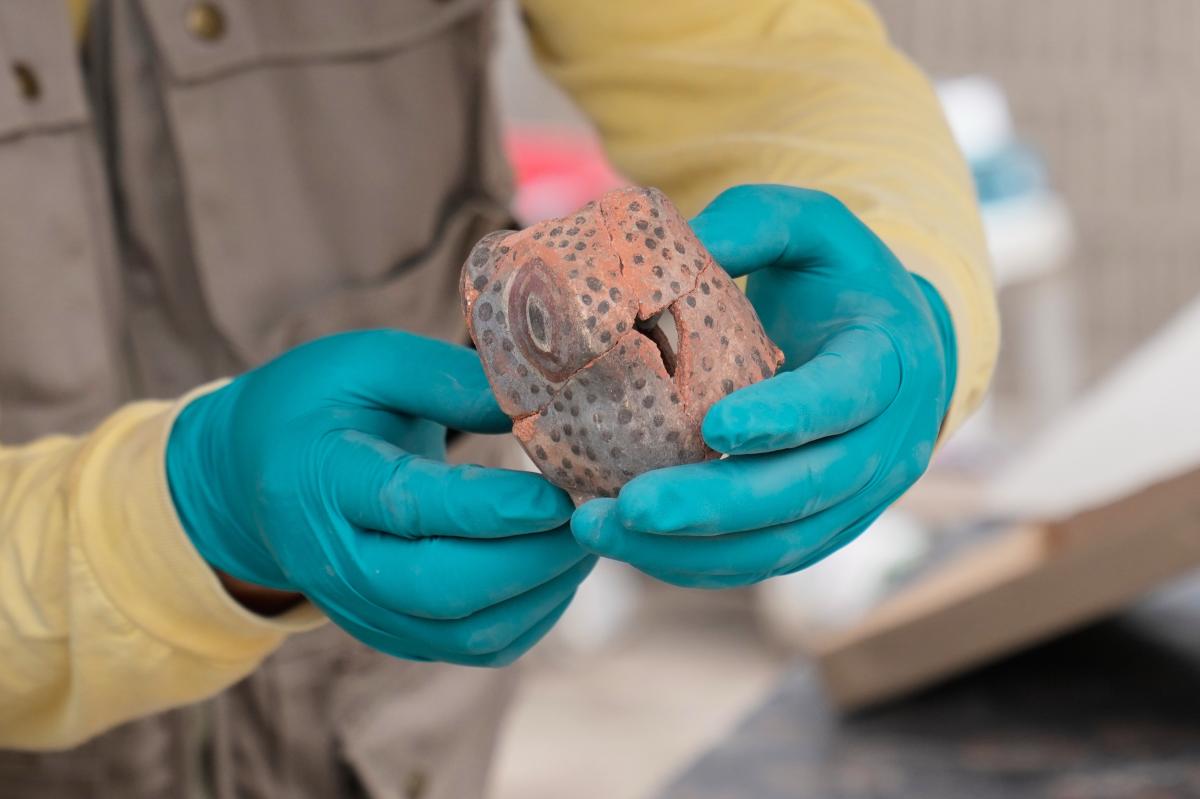
Archaeologists on Tuesday unveiled skeletal remains believed to be those of a sacrificed man near an ancient pyramid in Lima.
Gladys Paz, the archaeologist who led the excavation, presented the findings at Huaca Pucllana, an adobe pyramid in Peru’s capital. The remains belong to an adult male buried as a ritual offering near the base of the structure. Paz said the bones will help researchers better understand “the rituals of the Lima culture” and reconstruct ceremonies performed hundreds of years ago.
The body was discovered inside a canal, positioned on its left flank with the skull facing both the pyramid and the Pacific Ocean. Paz said that the man may have been sacrificed during a ritual in which a canal linked to a ceremonial pool was closed. The deliberate orientation of the body suggests careful ceremonial placement tied to spiritual beliefs about water, landscape, and sacred geography.
The Lima culture flourished between the first and seventh centuries along Peru’s arid central coast, roughly 700 years before the rise of the Inca Empire. Huaca Pucllana served as one of the most important ceremonial and administrative centers of this civilization, which developed sophisticated irrigation techniques to thrive in the desert environment. The culture disappeared centuries before Spanish conquistadors founded Lima in 1535.


Today the pyramid sits surrounded by parks, leafy streets, and upscale apartment buildings in the districts of Miraflores and San Isidro. The site remains open to tourists and features a restaurant serving Peruvian specialties including ceviche, stir-fried beef, and roasted alpaca meat. According to Peru’s government, more than 400 archaeological sites exist across metropolitan Lima, many uncovered during routine construction work.
Pieter Van Dalen, an archaeology professor at the National University of San Marcos who was not involved in the excavation, said that it is common to find tombs, mummified remains, and other burial-related items along Peru’s coast. Such discoveries frequently emerge when construction workers dig canals to install gas pipes, reflecting how densely layered the ancient and modern city have become.
The unveiling of the Huaca Pucllana remains highlighted how ancient ritual practices continue to surface in unexpected urban contexts. The finding follows years of ongoing excavation at the site, where researchers have previously uncovered elite burials, ceremonial artifacts, and architectural evidence of sacrificial altars. The Lima culture’s practice of placing offerings in canals and ceremonial pools reflects a worldview deeply connected to water management and coastal spirituality, with ritual closures of waterways marking significant ceremonial events.
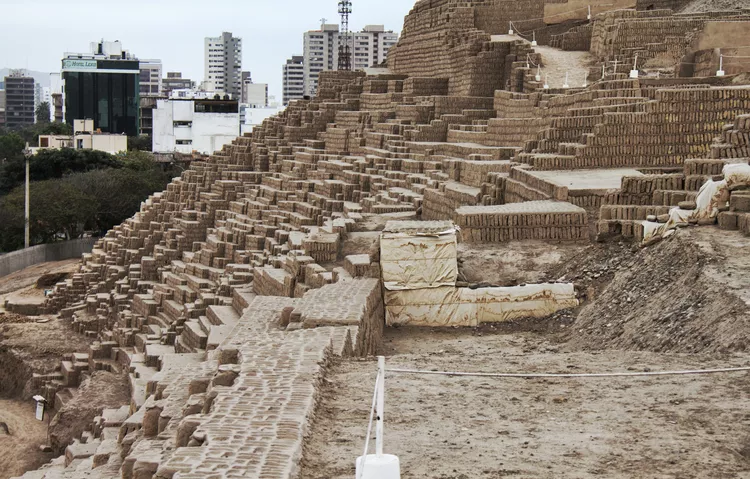
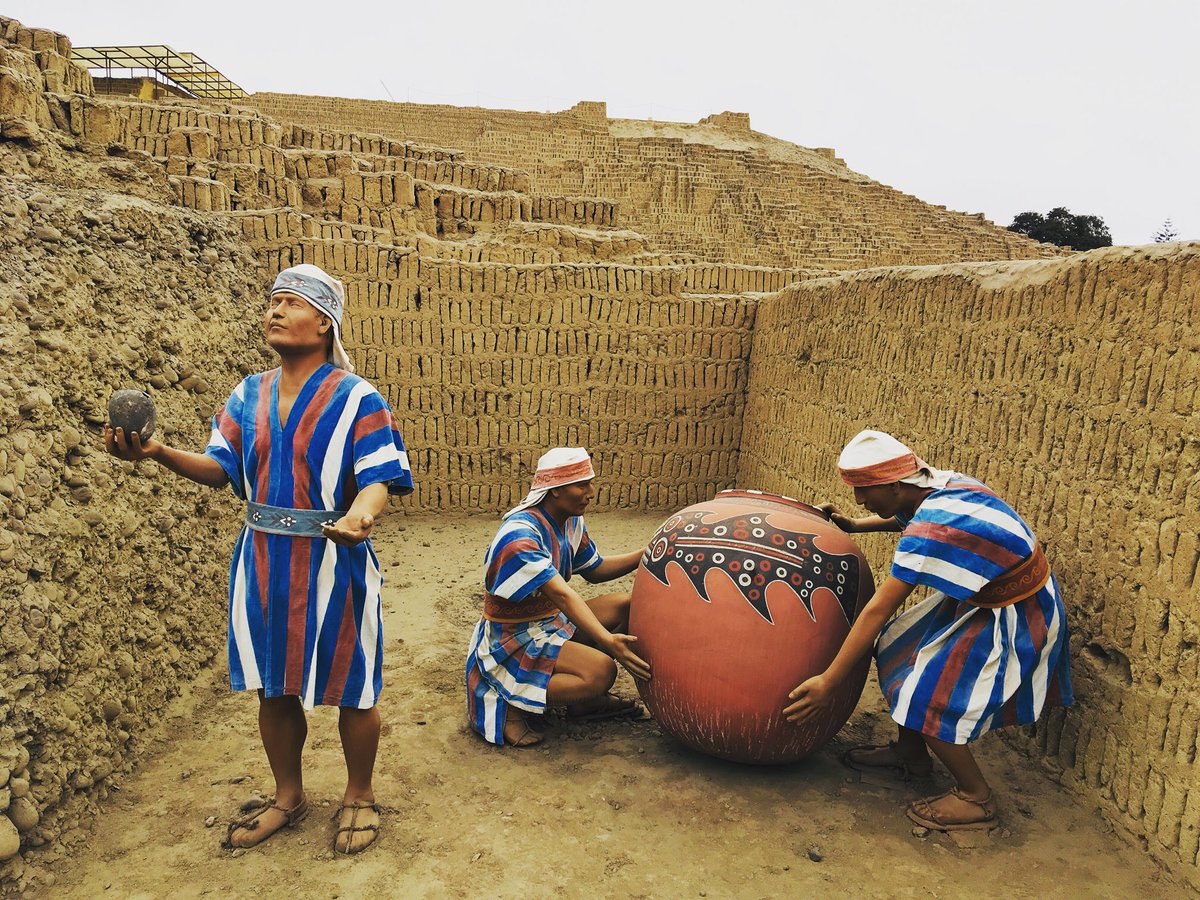
The Huaca Pucllana site has yielded multiple historical layers over decades of research, including later Wari and Ychsma occupations that transformed the pyramid into an elite cemetery and offering space. Earlier finds at the complex include the intact tomb of the so-called Lady of the Mask, demonstrating the site’s sustained sacred significance long after the original Lima culture declined. The vertical adobe brick construction of the pyramid, sometimes described as resembling books on a shelf, helped the structure withstand centuries of seismic activity in the region.
Researchers plan to continue analysis of the newly unveiled remains to deepen understanding of Lima culture burial practices and ritual sacrifice.