

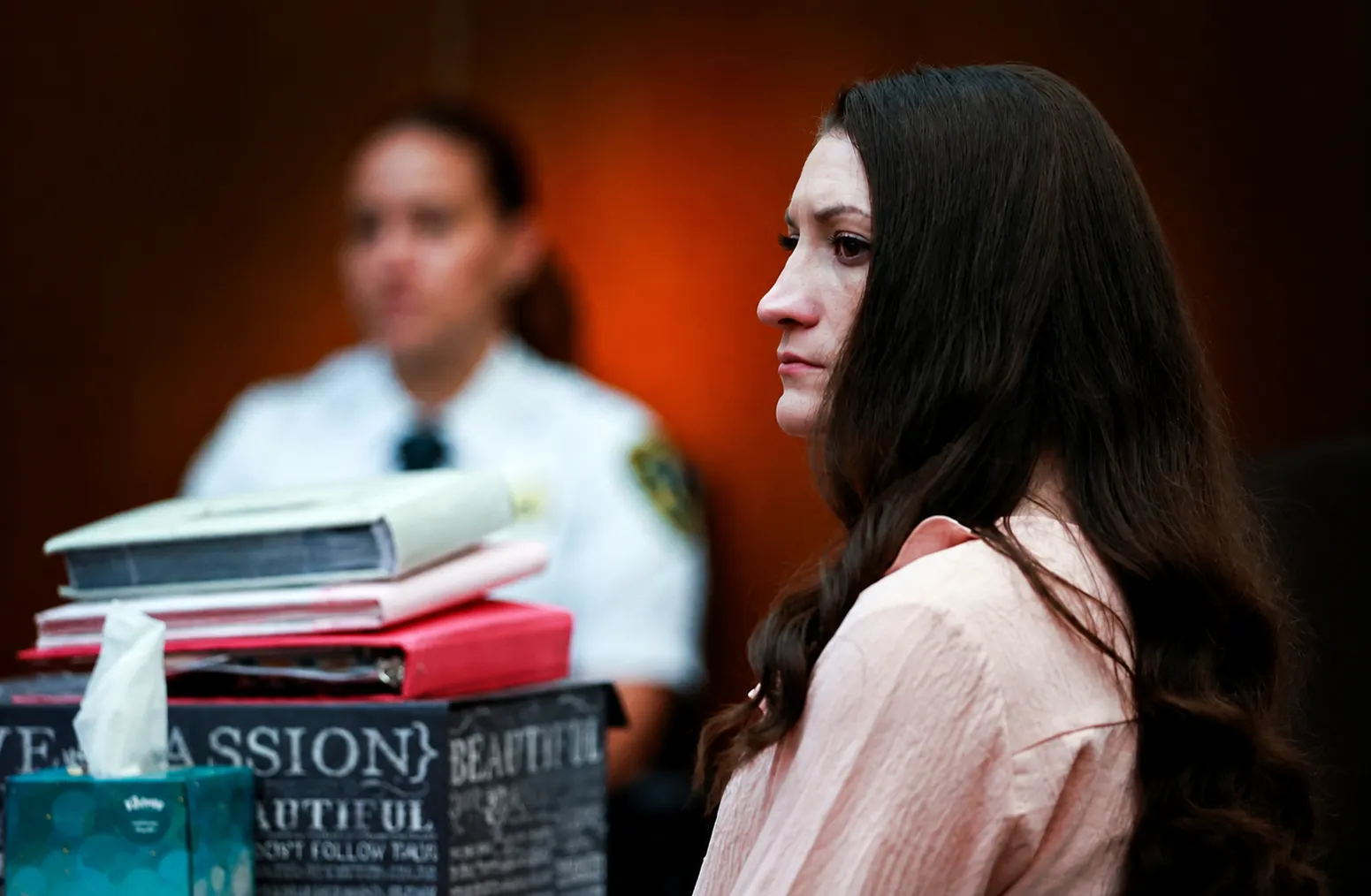
A forensic psychiatrist testified that Lindsay Clancy, 36, told her three-year-old son “Go to God” as she strangled him with an exercise band in the basement of their Duxbury home.
Dr. Avram Mack, a psychiatrist who teaches and practices in Philadelphia, took the stand Friday as the prosecution’s first rebuttal witness after the defense rested its case in Clancy’s Massachusetts murder trial. Mack recounted what Clancy allegedly described to him during interviews in April about the January 2023 killings of her three children: five-year-old Cora, three-year-old Dawson, and eight-month-old Callan.
“First she took Dawson down to the basement, and wrapped an elastic exercise band around his neck,” Mack testified.
“While that was happening she was saying out loud, ‘Go to God,'” he continued.
Mack told jurors that Clancy said something similar to her other children as she killed them. He then offered his interpretation of the haunting phrase.
“My understanding is that the sentiment ‘Go to God’ is a way of bestowing or thinking about the children as innocents, as ones who hadn’t done wrong while what she was doing was the opposite, was wrong or could be construed as wrong,” he testified.
“So ‘Go to God’ not only was a hope for the children but a description of the situation.”
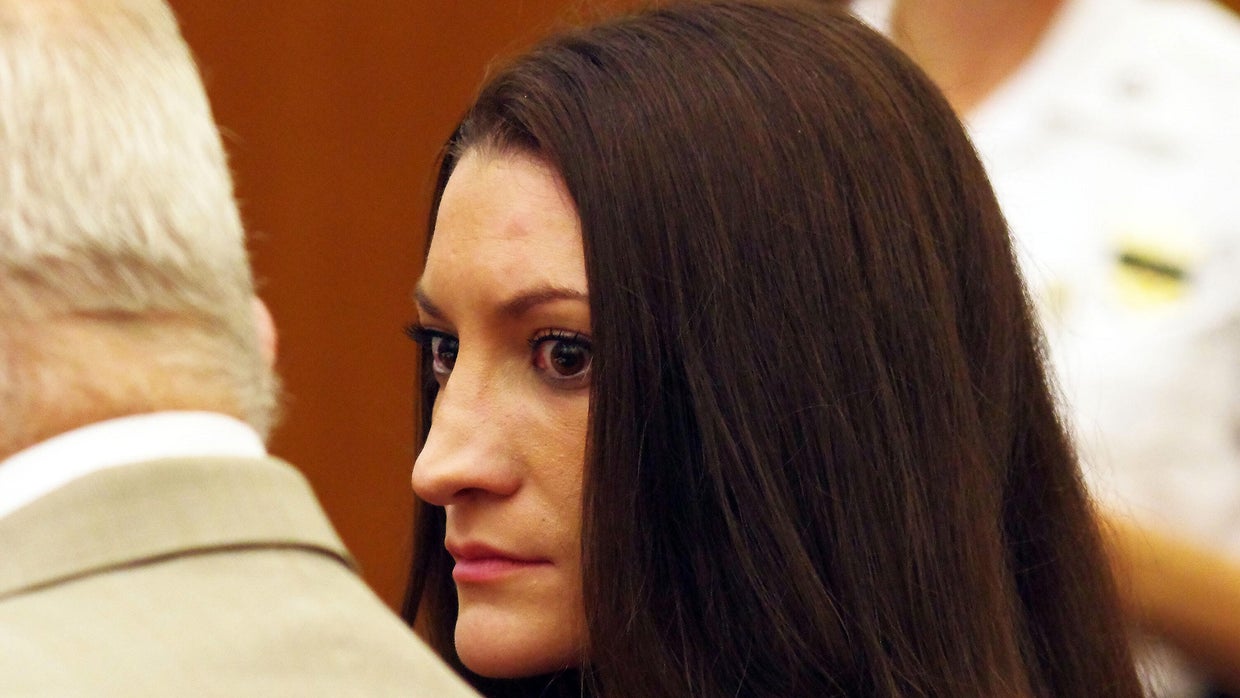

Mack’s testimony came after the defense concluded its case with forensic psychiatrist Dr. Phillip Resnick, who evaluated Clancy four months after the murders. Resnick, who previously testified in the 2006 Andrea Yates trial, told jurors over Zoom that Clancy was “clearly psychotic” on the day of the killings and experienced a “command hallucination” that made her feel like “a puppet and someone else was pulling the strings.”
“Not only did she hear a command, but she felt that her body was taken over by an external force where she was in a dream state and did not have control of her own body,” Resnick testified.
He added that Clancy “believed that she would be doing her children a favor by having them go to heaven with her rather than remain on Earth without her doing the mothering. Her mind was very distorted like that.”
But Mack pushed back against the defense’s central argument that Clancy suffered from postpartum psychosis caused by overmedication. He testified that Clancy probably experienced a major depressive episode and anxiety, but found no evidence she was ever in a manic or hypomanic state that would support a bipolar diagnosis.
“I can appreciate that she felt side effects and a degree of change from the medications that she took,” Mack said. “I don’t know that that feeling or belief is necessary psychotic.”
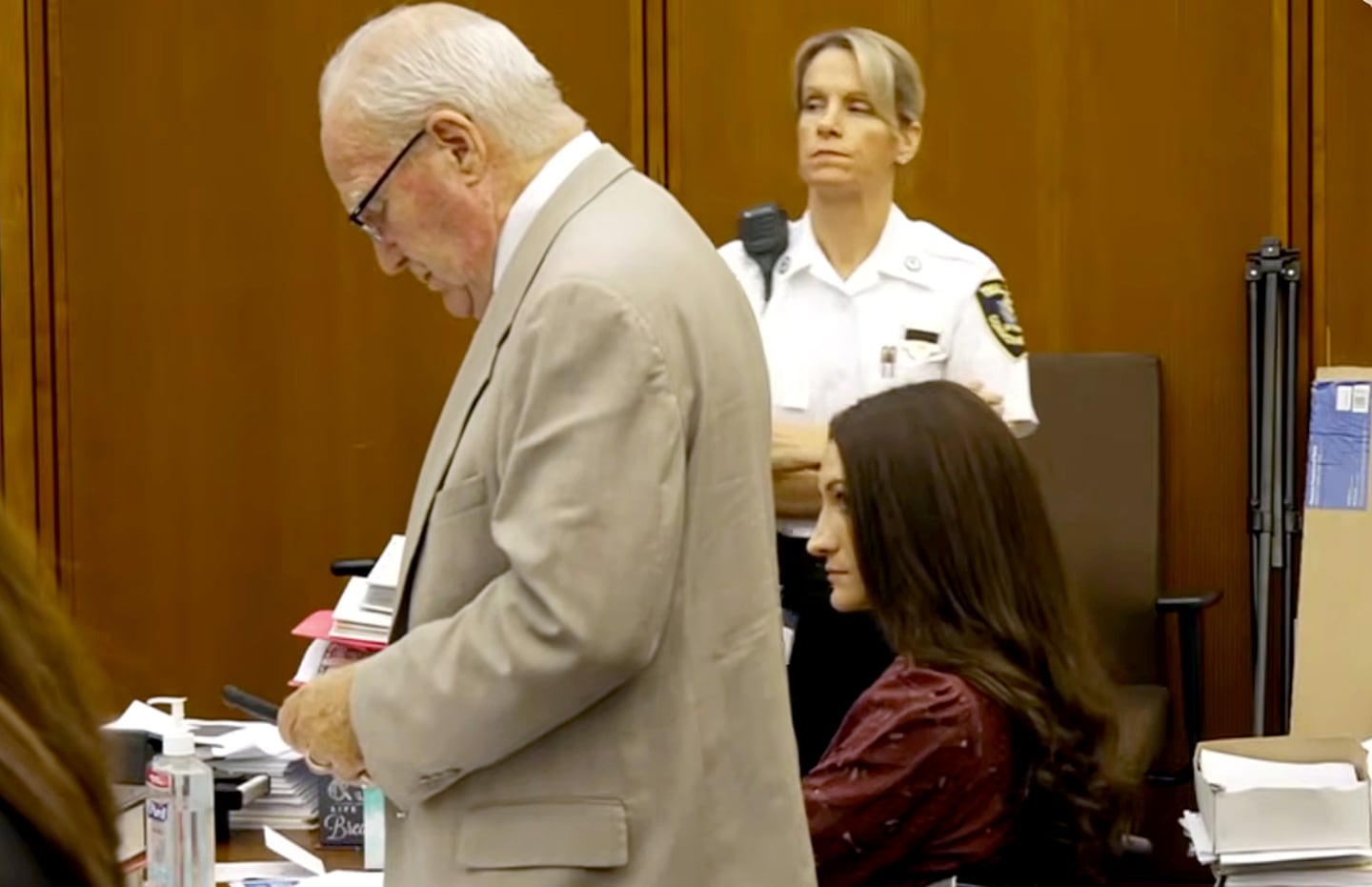
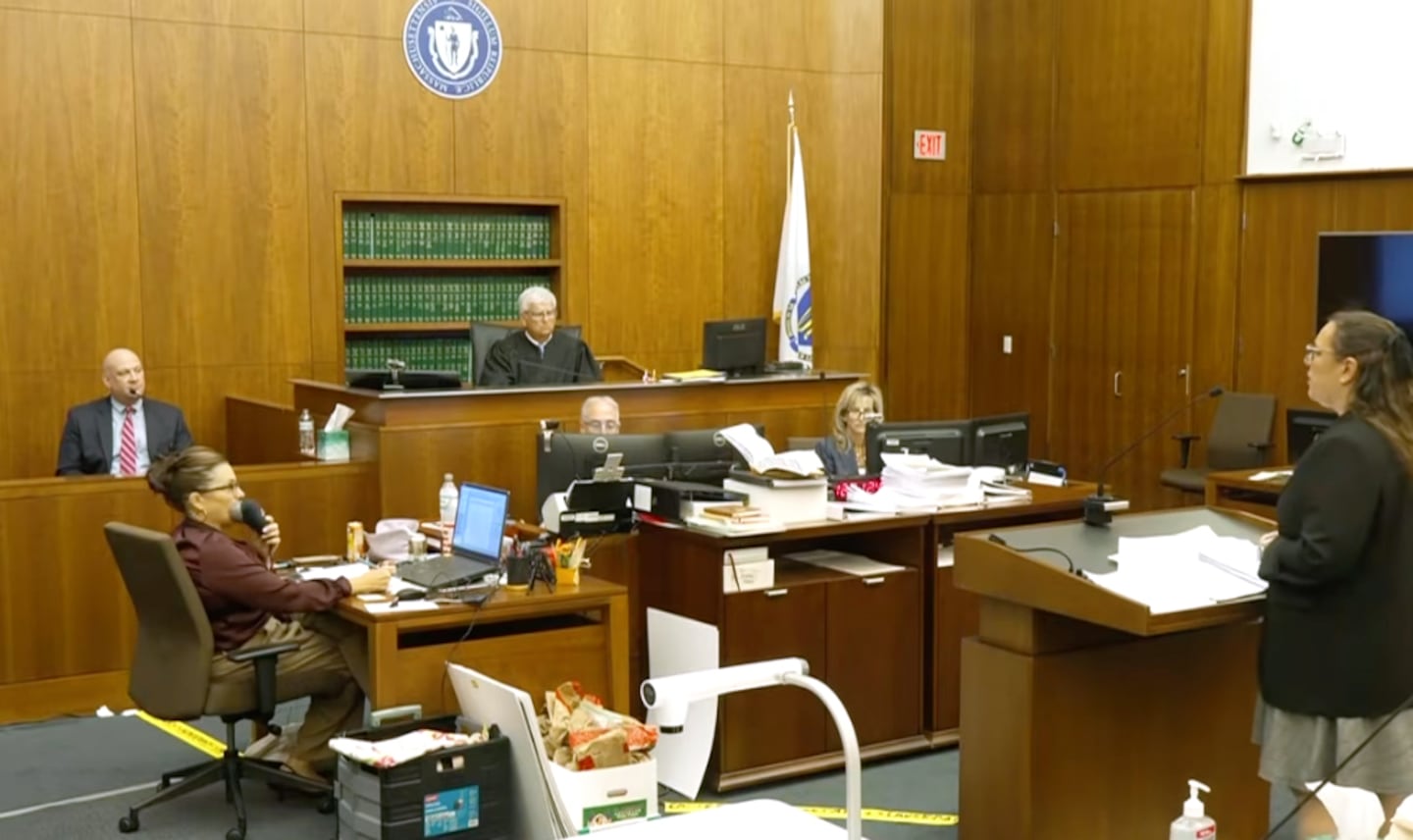
He noted that being afraid of losing her children “doesn’t seem psychotic,” and that her concerns “aligned with the realities she experienced.”
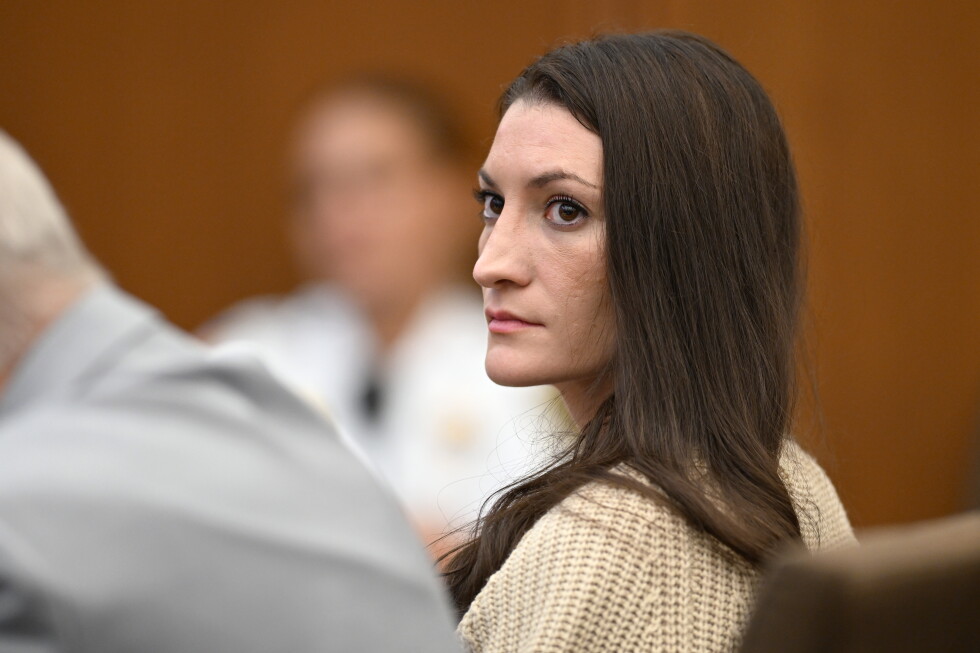
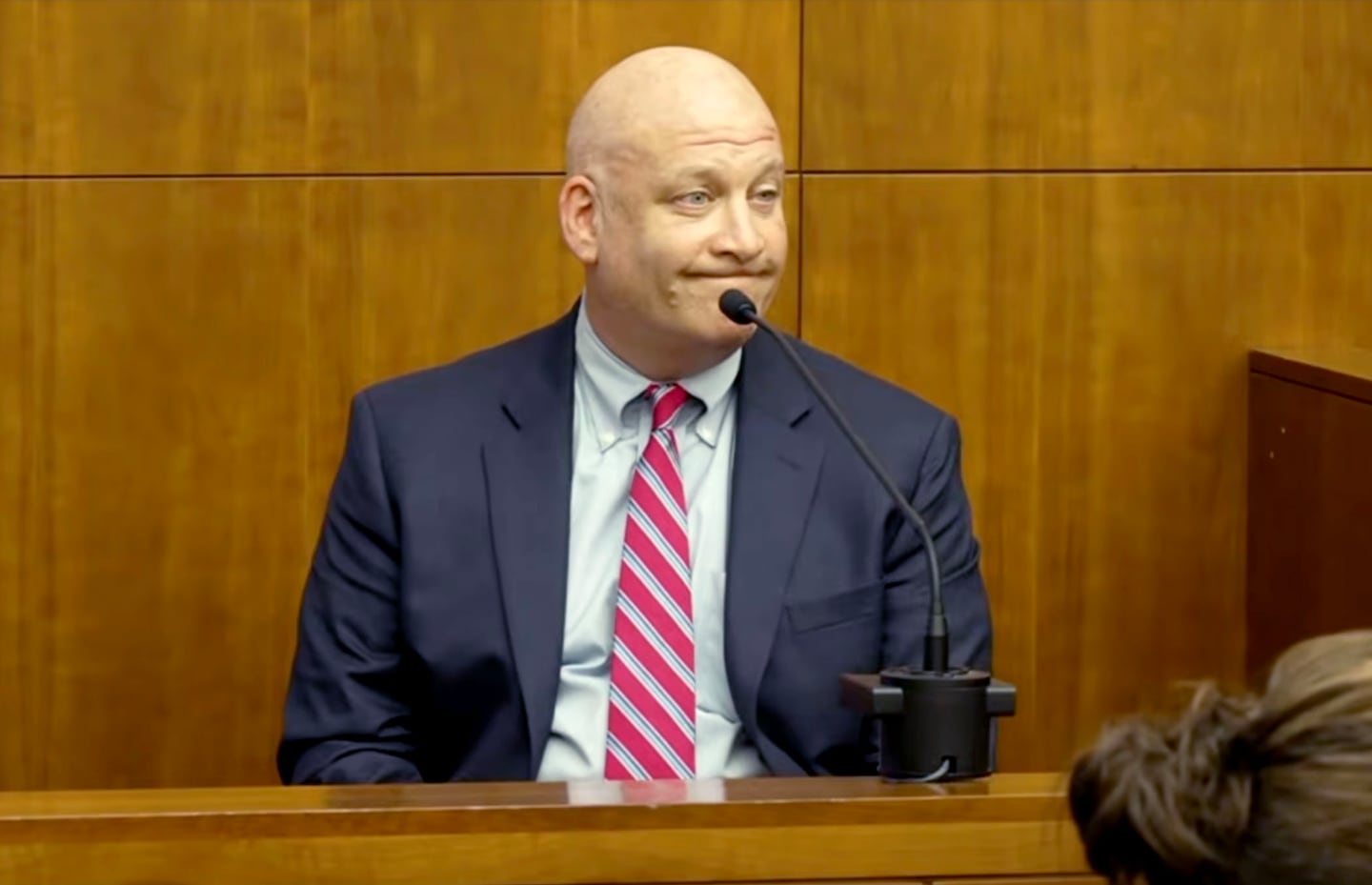
The trial has centered on Clancy’s mental state on January 24, 2023, when prosecutors allege she deliberately planned the killings by sending her husband Patrick out to pick up medicine and food. She has pleaded not guilty to three counts of first-degree murder, with her defense arguing she should not be held criminally responsible due to postpartum psychosis.
Mack testified that he interviewed Clancy twice in April at Tewksbury Hospital, where she is being held. He described her as “generally friendly and cooperative” with “not many abnormalities in her presentation,” though she became tearful at points and “described feeling miserable, not wanting to be alive.”
“She described feeling depressed, which she termed situational depression,” he testified.
The psychiatrist also noted that Clancy said she “wasn’t convinced she had bipolar disorder” and was taking olanzapine and other psychiatric medications at the hospital.
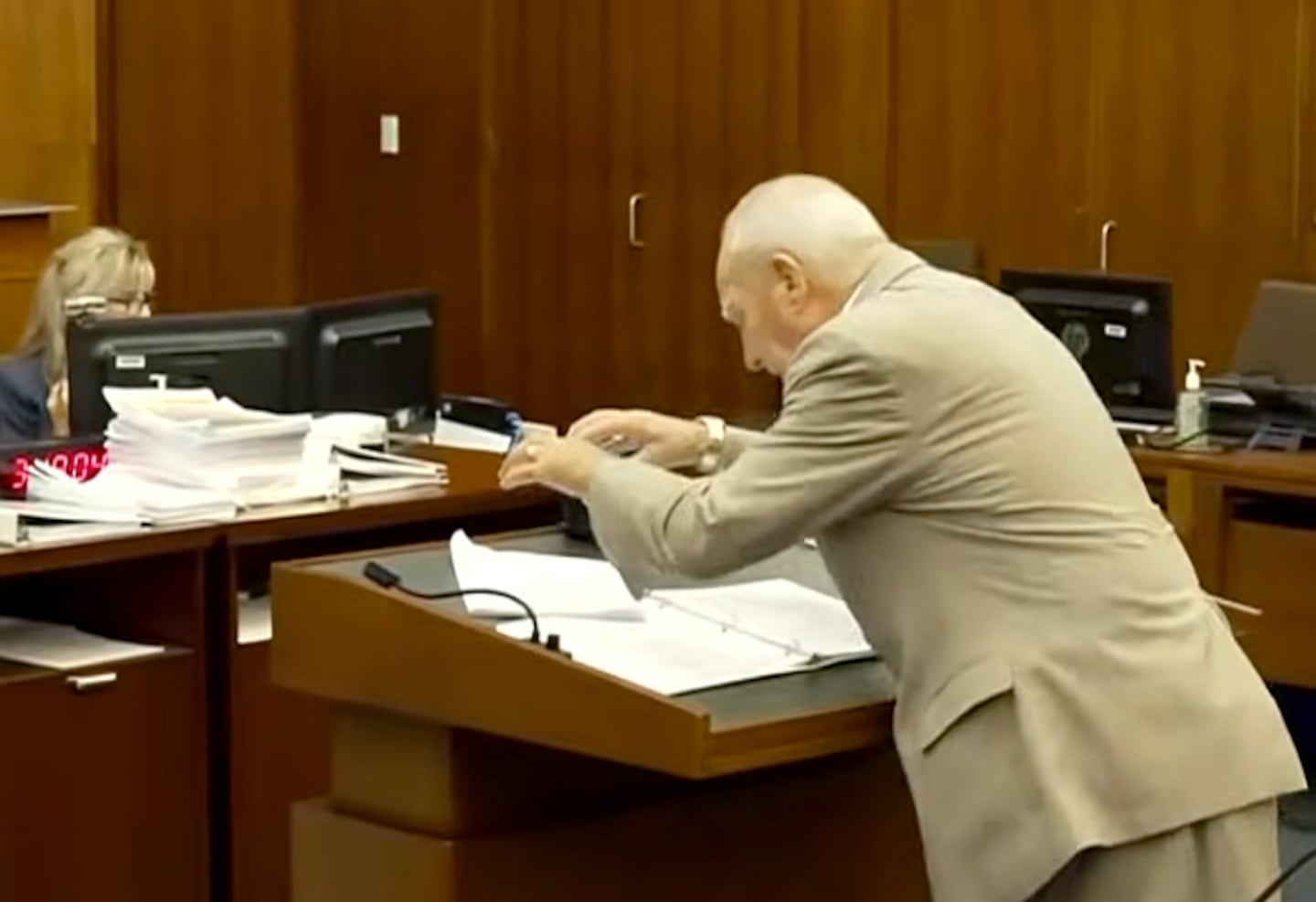
Earlier Friday, technical difficulties delayed Resnick’s Zoom testimony. The defense attorney, Kevin Reddington, had called him as the final witness before resting the case. During cross-examination, prosecutor Jennifer Sprague challenged Resnick on whether Clancy had resisted the alleged command hallucination, noting that Yates had hospitalized herself five times and attempted suicide twice before killing her children.
“Ms. Clancy heard the voice and immediately acted, is that correct?” Sprague asked.
“No, Ms. Clancy had impulses to harm her children and she did resist until the command hallucination when she was overwhelmed,” Resnick replied.
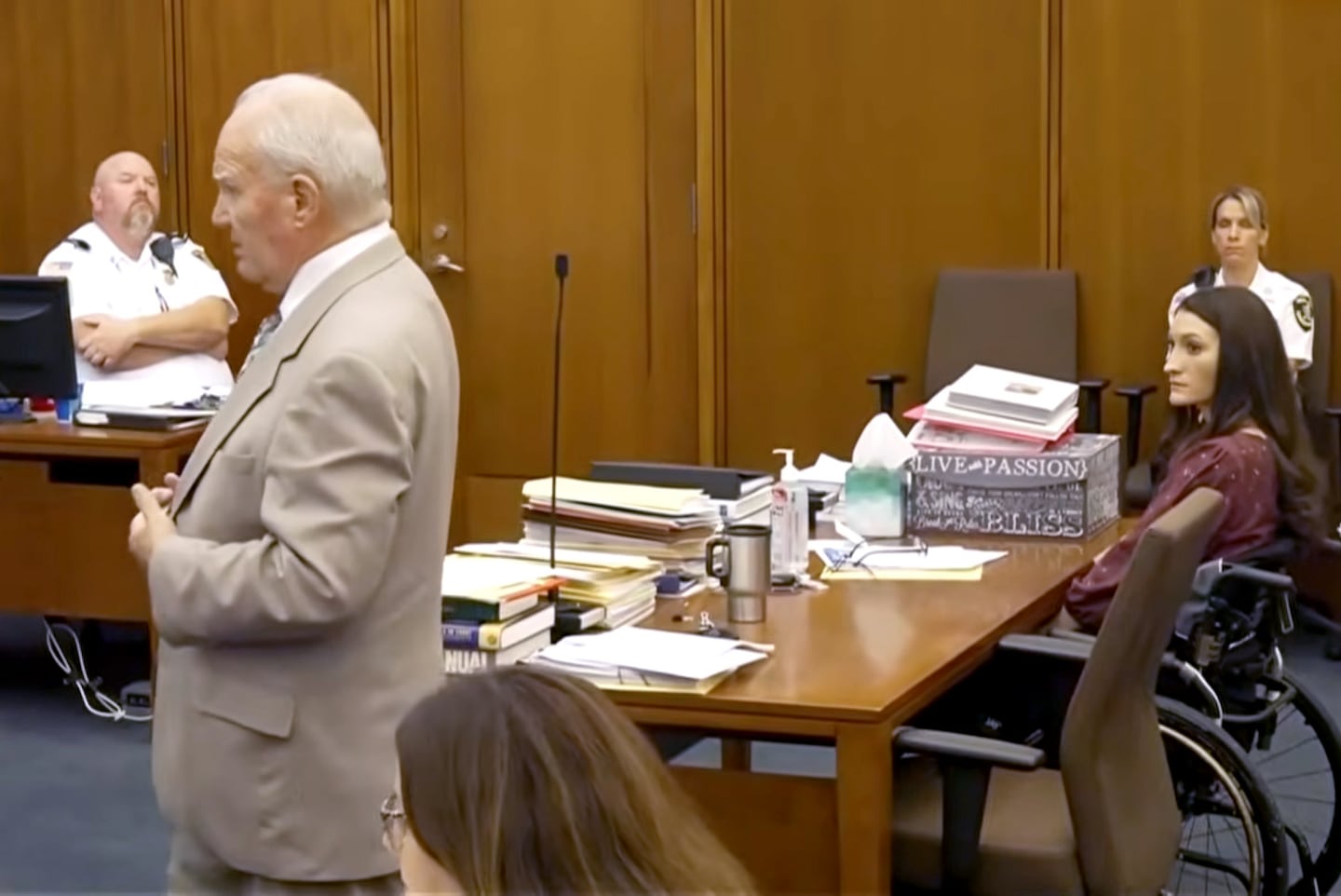
Clancy’s husband Patrick returned home on January 24, 2023, to find her moaning in the backyard after jumping from a second-story window. She had first sent him to CVS for their daughter’s medication and to a Plymouth restaurant for takeout, searches prosecutors have highlighted as evidence of planning. Patrick discovered the children’s bodies in the basement after she told him they were down there, shouting “she killed the kids” to first responders. Clancy survived but was paralyzed from the waist down. She and Patrick have since divorced, though he wrote publicly days after the killings that he forgave her, calling “the real Lindsay… Generously loving and caring” and saying “the very fibers of her soul are loving.”
Friday’s proceedings also saw continued disruptions to the trial schedule. Court had been dismissed early Thursday after about an hour of testimony from Brigham and Women’s Hospital chaplain Sheila Cavanaugh, who spoke with Clancy on January 31, 2023, a week after the children’s deaths. Cavanaugh testified that Clancy’s emotional state was “very neutral, a flat affect” and that after being extubated, Clancy said, “I am so glad my children are safe,” Cavanaugh told jurors she responded theologically: “Lindsay, your children are safe. They’re safe in heaven with God.” Judge William Sullivan told jurors Thursday to “gear up for a longer day tomorrow,” adding, “If you’re going to hold it against anybody, hold it against me.” Wednesday had also ended early due to what the judge called “unforeseen circumstances,” telling jurors, “This is not something we saw coming, but you’re not to speculate about what it is.”
Closing arguments could begin Monday if testimony concludes Friday, or Tuesday if proceedings extend into next week.