

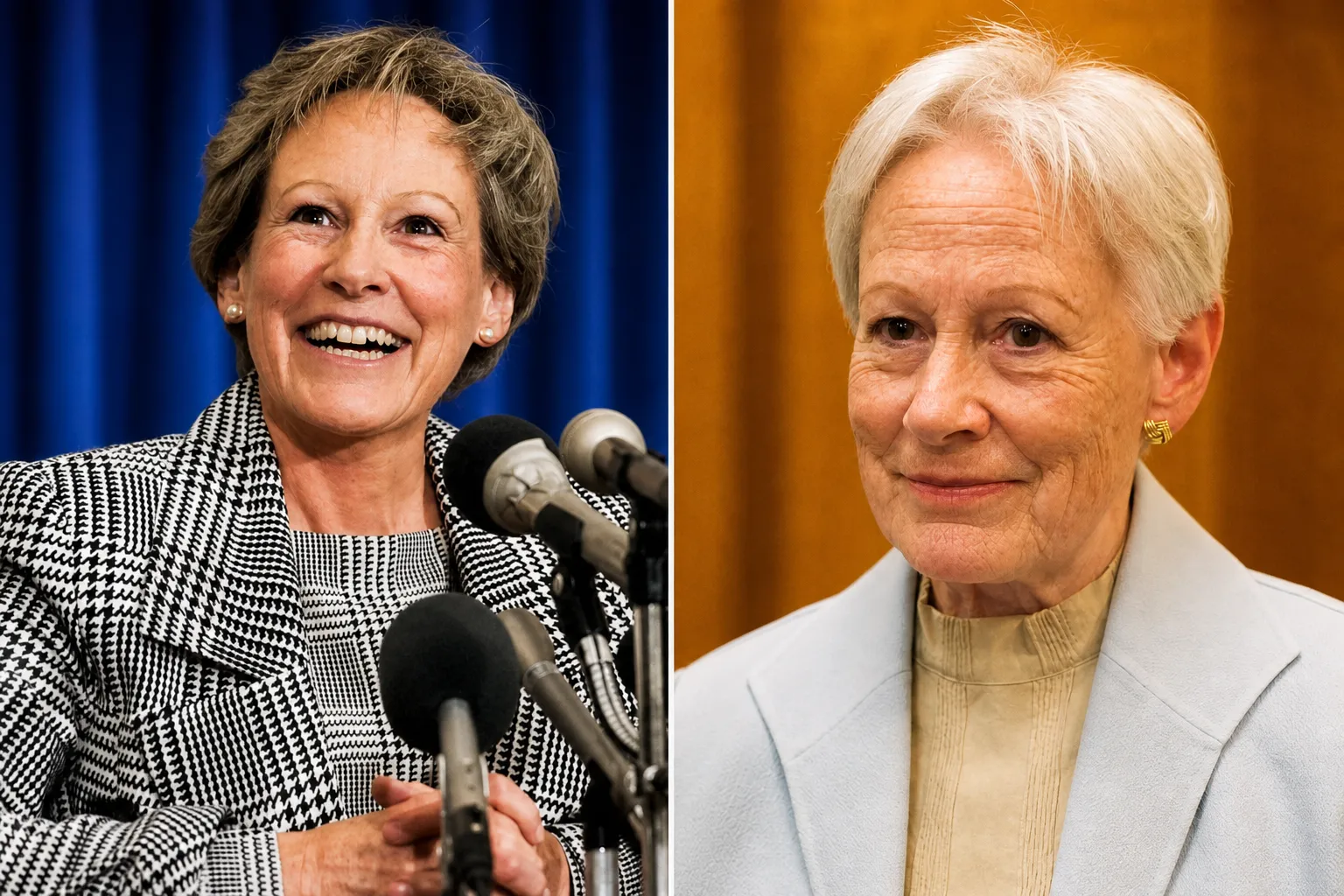
Nancy Kassebaum Baker, the trailblazing Kansas Republican who became the first woman elected to the U.S. Senate without following a spouse into office, has died at 94.
Her son, Bill Kassebaum, confirmed that she died Friday of natural causes. “She loved Kansas. She loved people from Kansas and representing Kansas for 18 years in the U.S. Senate,” he said. “She was an independent-minded Republican who was willing to stand up for what she thought was right, even if that meant going against the party.”
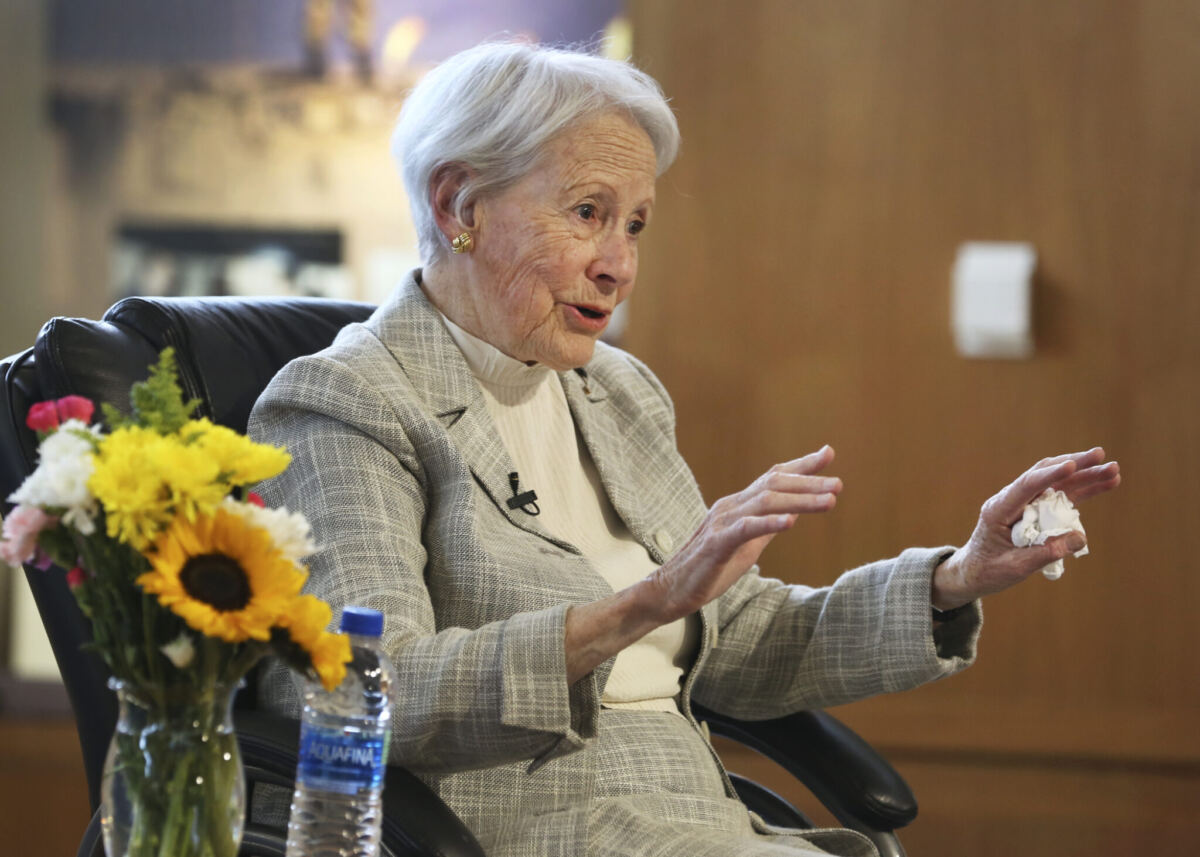
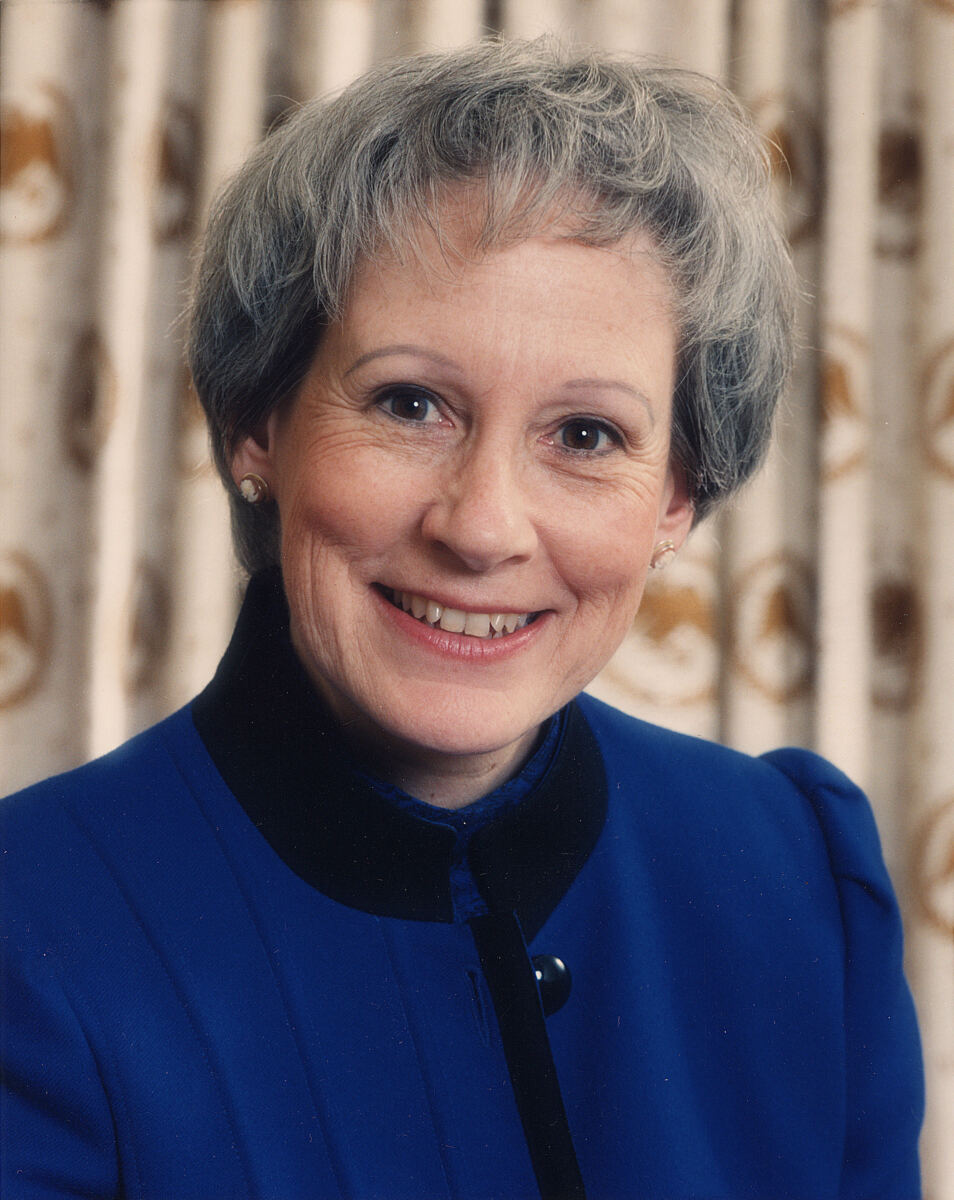
Born Nancy Landon on July 29, 1932, in Topeka, she was the daughter of Alf Landon, the Kansas governor who became the unsuccessful 1936 GOP presidential nominee against Franklin D. Roosevelt. She earned a political science degree from the University of Kansas in 1954 and a master’s in diplomatic history from the University of Michigan two years later. Before entering politics, she worked as a radio-station executive, served on the Maize, Kansas school board, and spent a year on the staff of Kansas Sen. James Pearson.
When Pearson retired in 1978, Kassebaum Baker entered the race figuring that “a woman with a background different from a man might be appealing” to voters weary of politics. Pundits estimated a Senate campaign would require $1 million, but she spent less than $12,000 in the first quarter and saw herself “at the bottom of the totem pole.” She won a crowded nine-candidate GOP primary with less than 31 percent of the vote, then captured nearly 54 percent in November against former Democratic congressman Bill Roy.
Her moderate politics emerged immediately. Only months into office, she refused to endorse a constitutional amendment requiring a balanced budget, declaring, “We should be wary of the seemingly simple solution.” She won re-election in 1984 with 76 percent of the vote and in 1990 with 74 percent, though her support for Bill Clinton’s assault weapons ban drew the angriest mail of her career.
She resisted the feminist label even as she broke barriers. “It has been said I am riding on the coattails of my dad, but I can’t think of any better coattails to ride on,” she once remarked. She thought of herself foremost as a “U.S. Senator, not a woman Senator,” adding that “it diminishes women to say that we have one voice and everything in the Senate would change if we were there.”
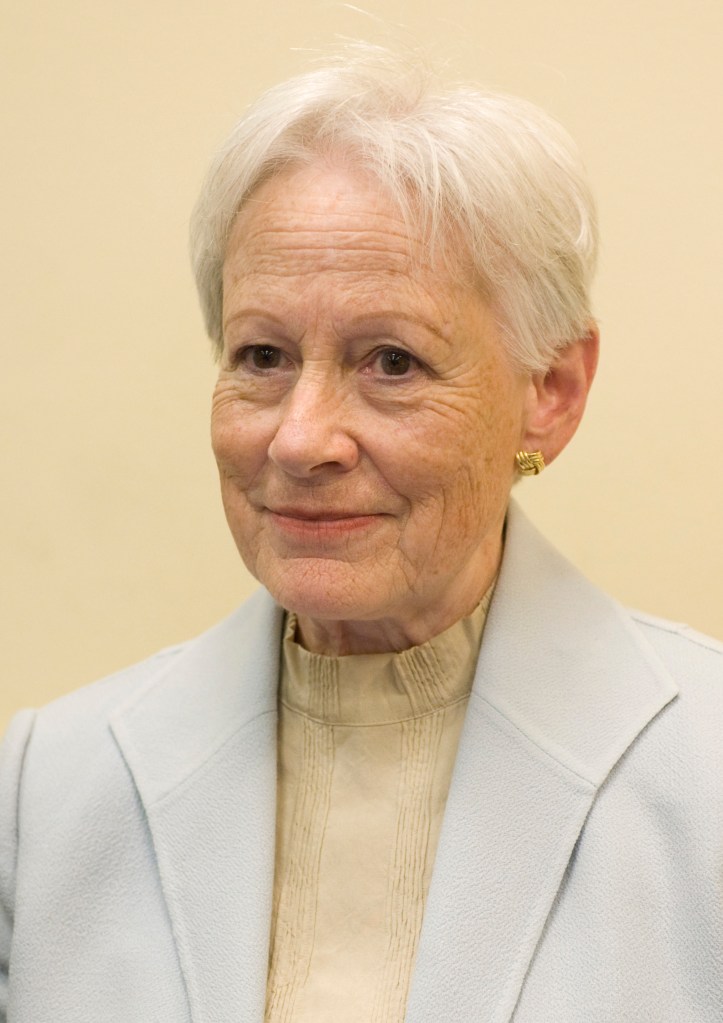
In 1996, she married former Tennessee Sen. Howard Baker, making them the first man and woman who had both served in the Senate to wed. She chose not to seek re-election that year, saying she would return to a ranch and 90-year-old farmhouse in Kansas’ Flint Hills to babysit her grandchildren. When talk briefly surfaced of naming a Topeka highway after her, she shot back, “Oh, goodness. Absolutely not — no.” She’d contemplated not seeking a third term at all, but Republican leaders prevailed upon her to run once more.
After leaving the Senate in January 1997, she continued in public service. She served on a bipartisan campaign finance reform commission under Clinton and on a British commission in Africa in 2004-05. When President George W. Bush named Howard Baker ambassador to Japan in 2001, she accompanied him for the four-year posting. Before departing for Tokyo, she told a reporter she saw the stint as an adventure but admitted, “All I can say is, I will miss the Kansas prairie.”
Later in life, Kassebaum Baker broke with the Republican Party as it moved rightward. She endorsed Democratic candidates for Kansas governor and U.S. Senator, including Gov. Laura Kelly in both of her campaigns. In 2021, she declared that President Donald Trump should be impeached after the January 6 Capitol attack. “This just has gone too far,” she told Kansas City’s KMBC.
Kassebaum Baker’s 1978 election shattered a glass ceiling as she became the first woman to represent Kansas in Congress and only the 14th female senator in U.S. History. Her modest demeanor and willingness to work across the aisle endeared her to voters of all stripes, while her chairmanship of the Labor and Human Resources Committee made her the first woman to head a major Senate standing committee since 1954. The 1996 health insurance law bearing her name alongside Ted Kennedy’s, the Health Insurance Portability and Accountability Act, guaranteed coverage for people with pre-existing conditions and remains a landmark legislative achievement.
She is survived by her children, including Bill Kassebaum, who served in the Kansas House, and the grandchildren she looked forward to babysitting.