


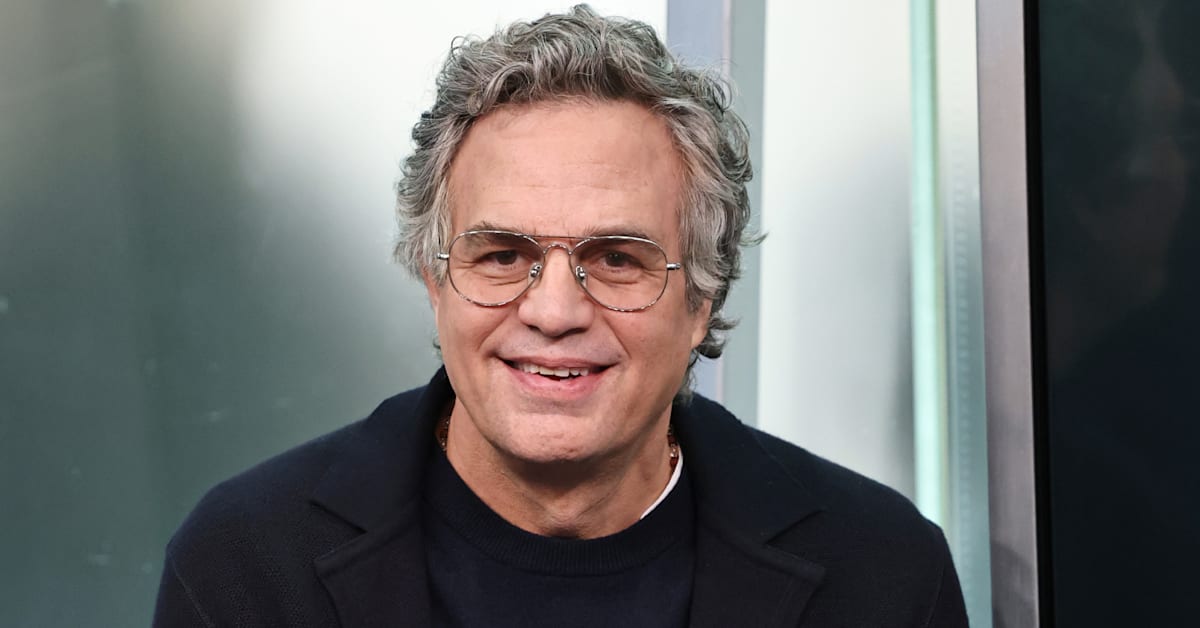
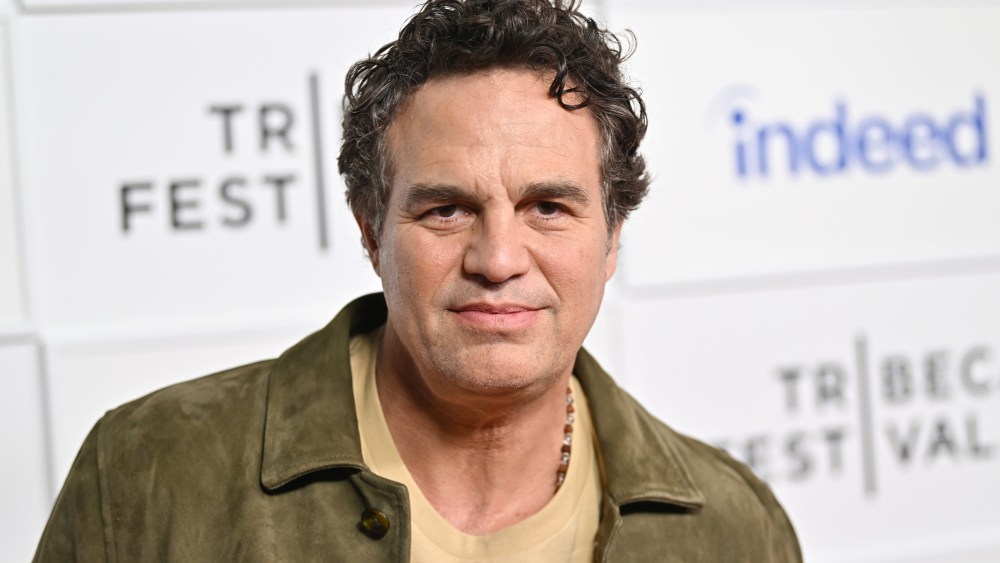
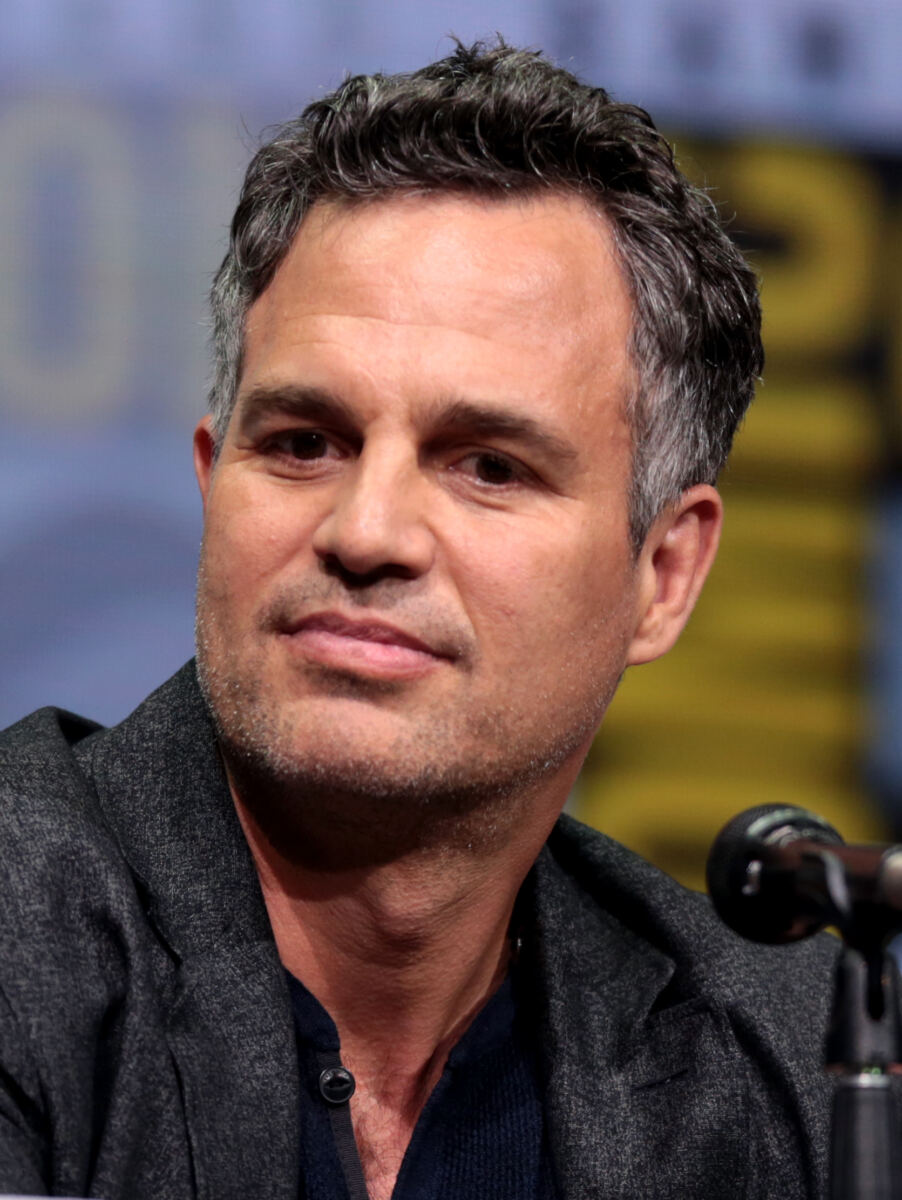
Paramount fired back at Mark Ruffalo, 58, for invoking “antisemitic tropes” in his social media attack on the company’s proposed merger.
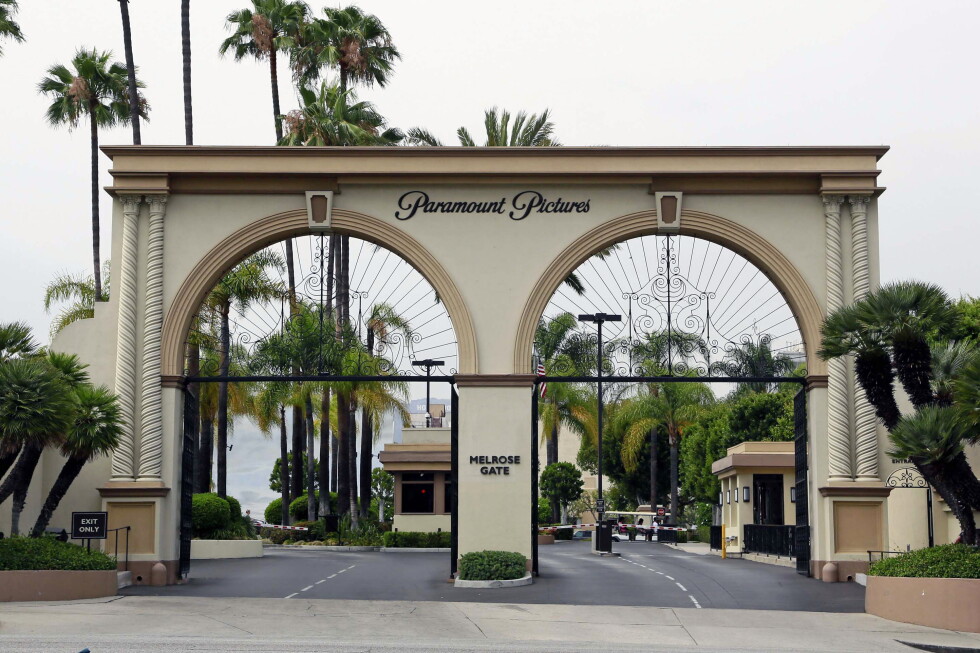
The media giant issued a lengthy statement on Friday after the “Poor Things” actor posted criticism of Paramount’s $110 billion merger with Warner Bros. Discovery to his Instagram Stories. “We are, as always, troubled when antisemitic tropes are invoked in purported service of a business dispute,” the company said in its statement. “Words like ‘genocide’ and ‘apartheid,’ applied to a corporate transaction, aren’t just wrong — they’re a bridge too far, and they cheapen the very real suffering those words are meant to describe.”
The company continued, “We understand people feel strongly about this merger and are hopeful and expect that it will be judged based on the legal merits, not underlying bias. We’re asking for the same good faith we’re extending: less rhetoric, more understanding. Paramount’s future is being written for everyone who wants to make and watch great stories.”
Ruffalo had shared a years-old video of former Oracle CEO Safra Catz speaking about “profoundly scary technology” to his Instagram Stories. In the clip, Catz said, “There’s a few things that we did that I really can’t talk about to advance the agenda for the Israeli military. But we have some really profoundly scary technology at Oracle and we wanted to make sure that it was available for the effort.”
The “Zodiac” actor responded to the clip in a now-expired post, writing: “This is the company that Larry Ellison is using to fund his son David’s Warner Bros acquisition,” He continued, “These ‘really profoundly scary technologies’ will most likely be merged into one of the largest media conglomerates in the world and one day used on you.”
Ruffalo added, “Look how she revels in what we now have come to see as a genocide, which was built on an apartheid system of oppression powered by Oracle.” He also wrote, “Larry Ellison will own most of ‘Para Bros.’ Larry is a classic Oligarch. They are crushing workers and consolidating the wealth of the world for their own power and concentrated dominance.”
The clash comes as Ruffalo has emerged as one of Hollywood’s most prominent voices against the merger. In April, he released an open letter opposing the deal, and in May he wrote the outlet op-ed rallying people to fight against Paramount-Skydance’s pursuit of Warner Bros. In that op-ed, Ruffalo wrote, “The most revealing thing about that letter wasn’t the people who signed. It was the people who didn’t. Not because they disagreed — because they were afraid,” He added, “There are many reasons to block this deal, but we now believe the most fundamental one is what we encountered when asking artists to use their voices: fear. A deep, ugly and pervasive fear of speaking out.”
Ruffalo’s Instagram Stories posts connected Oracle’s technology work with Israeli military operations to the broader media consolidation debate. The actor has previously stated he assumes he’s “already on a list” for opposing the merger. His criticism centers on the Ellison family’s role in financing the deal through Oracle wealth, with Larry Ellison being a close ally of President Donald Trump.
The merger itself faces significant legal headwinds beyond the rhetorical battle with Ruffalo. Twelve states led by California Attorney General Rob Bonta have sued to block the $110 billion deal, arguing it would violate the Clayton Antitrust Act. The states allege the acquisition would “extinguish competition” between the two studios and “inflict substantial harm on movie theatres, basic cable distributors and ultimately, audiences nationwide.” A federal judge granted a temporary restraining order last month, and the companies have since agreed not to close the transaction until five days after a trial ruling or June 1, 2027, whichever comes first. Paramount faces a $7 million per day ticking fee if the merger does not close by Sept. 30.
Paramount and Warner Bros. Discovery are set to face off against the states in an antitrust trial that could begin as early as November 2026.