

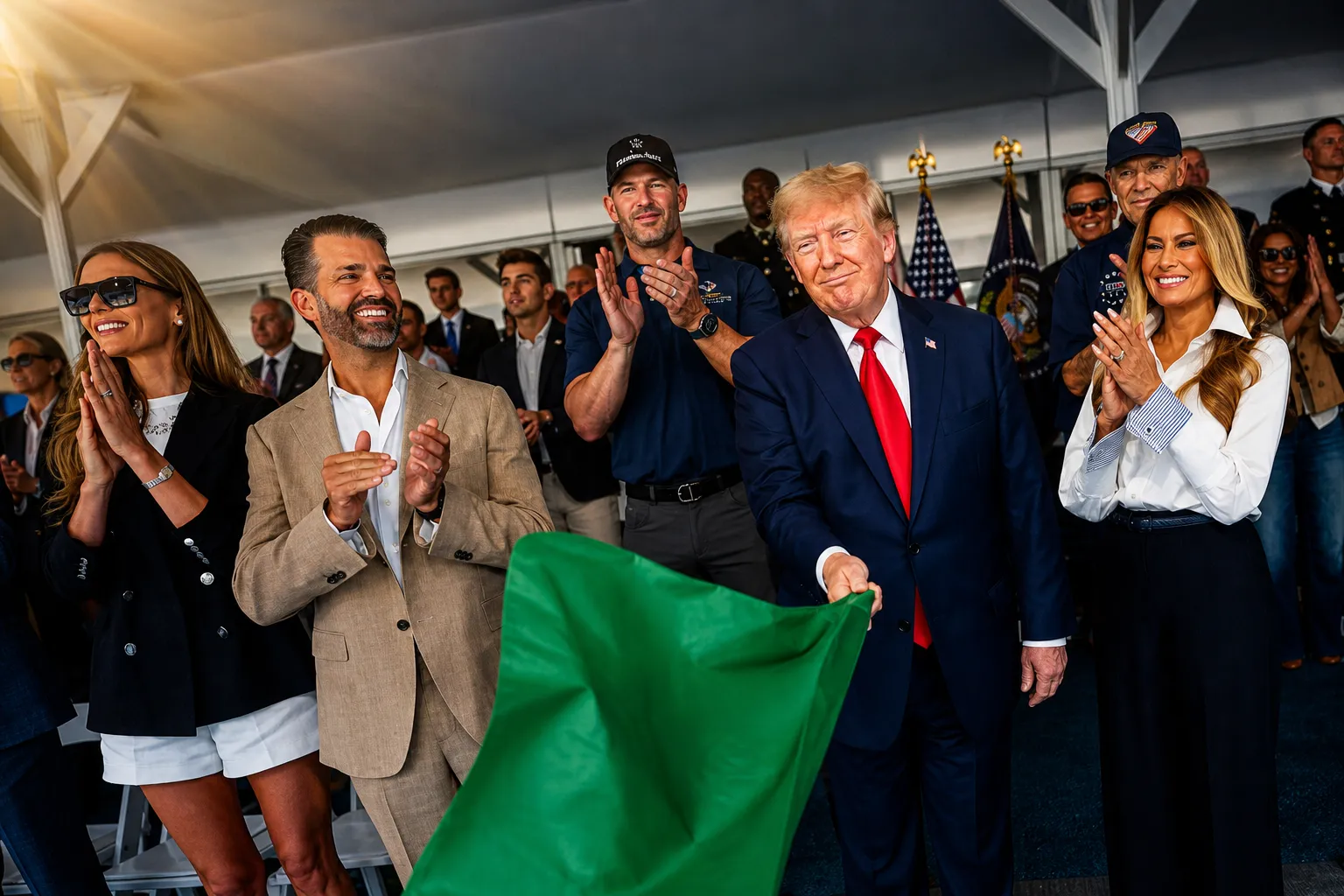
Donald Trump’s green-flag wave at an IndyCar race has drawn a body language expert’s scrutiny.
Casino.ca body language analyst Inbaal Honigman examined footage of Trump, 78, starting the Freedom 250 Grand Prix in Washington, D.C., on Sunday and concluded his gestures and facial expressions revealed a man struggling to salvage an awkward moment. The event, part of the U.S. 250th-anniversary celebrations, drew an estimated 140,000 spectators to a 1.7-mile circuit around the National Mall.
Trump was handed the green flag shortly before 1:20 p.m. By Medal of Honor recipients Command Sgt. Maj. Matt Williams and Col. Paris Davis, with First Lady Melania Trump, 55, looking on. He then began moving the flag rapidly from side to side, a clip that quickly became one of the race’s most replayed moments and almost immediately spread as a meme.
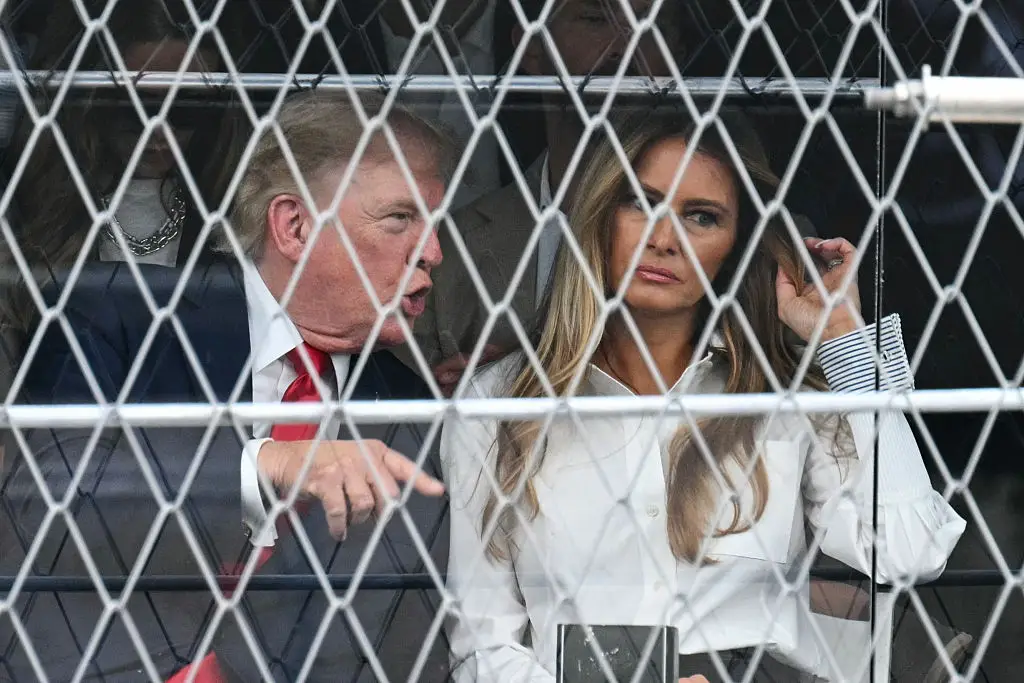
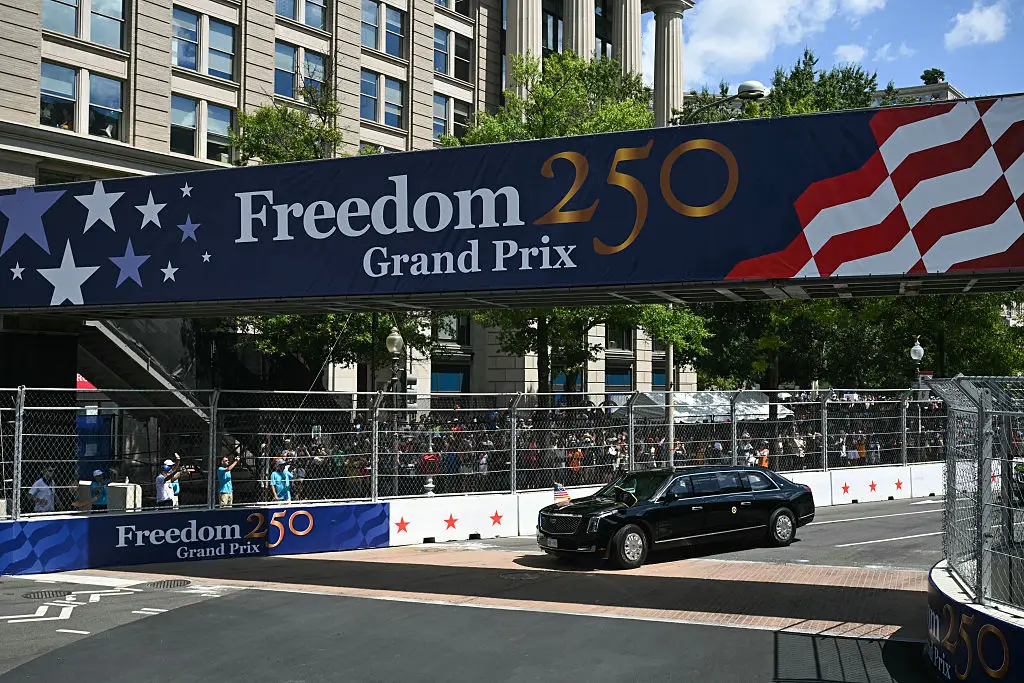
Honigman focused first on Trump’s physical handling of the flag. “The President waves the flag as if he’s never attempted flag waving before this very second,” she said.
She described his hand and wrist movements as “jerky” and “uncertain,” arguing that Trump appeared to expect the flag to behave differently once he started moving it.
For Honigman, however, Trump’s facial expression provided the most telling signal. As he waved, Trump appeared to smile calmly while continuing to move the flag with considerable force.
“The Leader of the Free World attempts a serene, radiant facial expression that conveys profound bliss, inner peace, and saintly contentment,” Honigman said.
She argued that the expression did not appear to match the physical action. “If Trump were genuinely at peace, the flag would behave very differently in his hand,” she said.
According to Honigman, that apparent mismatch shifted shortly afterward, when Trump seemed to recognize the display was faltering. “A second or two into the display, Trump appears to realize that he’s not doing well,” she said.
She pointed to what appeared to be Trump gritting his teeth in annoyance, suggesting he then considered how he could change the way the moment was coming across.
Honigman identified two immediate adjustments: Trump raised his chin with determination and put more force into his wrist movement. “His facial expressions and hand gestures come together to convey his ambition to succeed at this,” she said.
Rather than simply changing his technique, Honigman believes Trump appeared to be trying to encourage himself through the moment. “The President appears to be encouraging himself, pumping himself up, and trying to manifest success,” she said.
The White House shared the footage on X with the caption, “When someone says Trust in Trump.” The post surpassed one million views.
For Honigman, the critical detail came after Trump recognized the gesture was not landing as intended. “Trump’s body language suggests that he can tell this isn’t coming across as intended, but he appears frustrated by his inability to fix it,” she said.
Trump’s rapid side-to-side flag movement at the ceremonial start created immediate visual dissonance—his forceful wrist action producing an uneven, flailing effect rather than the crisp, authoritative signal typically associated with racing tradition. The contrast between his attempted serene expression and the chaotic flag motion formed the core of what made the clip so widely mocked and remixed online.
The Freedom 250 Grand Prix marked the first IndyCar event held in the nation’s capital, with drivers competing past landmarks including the U.S. Capitol and the Washington Monument.