

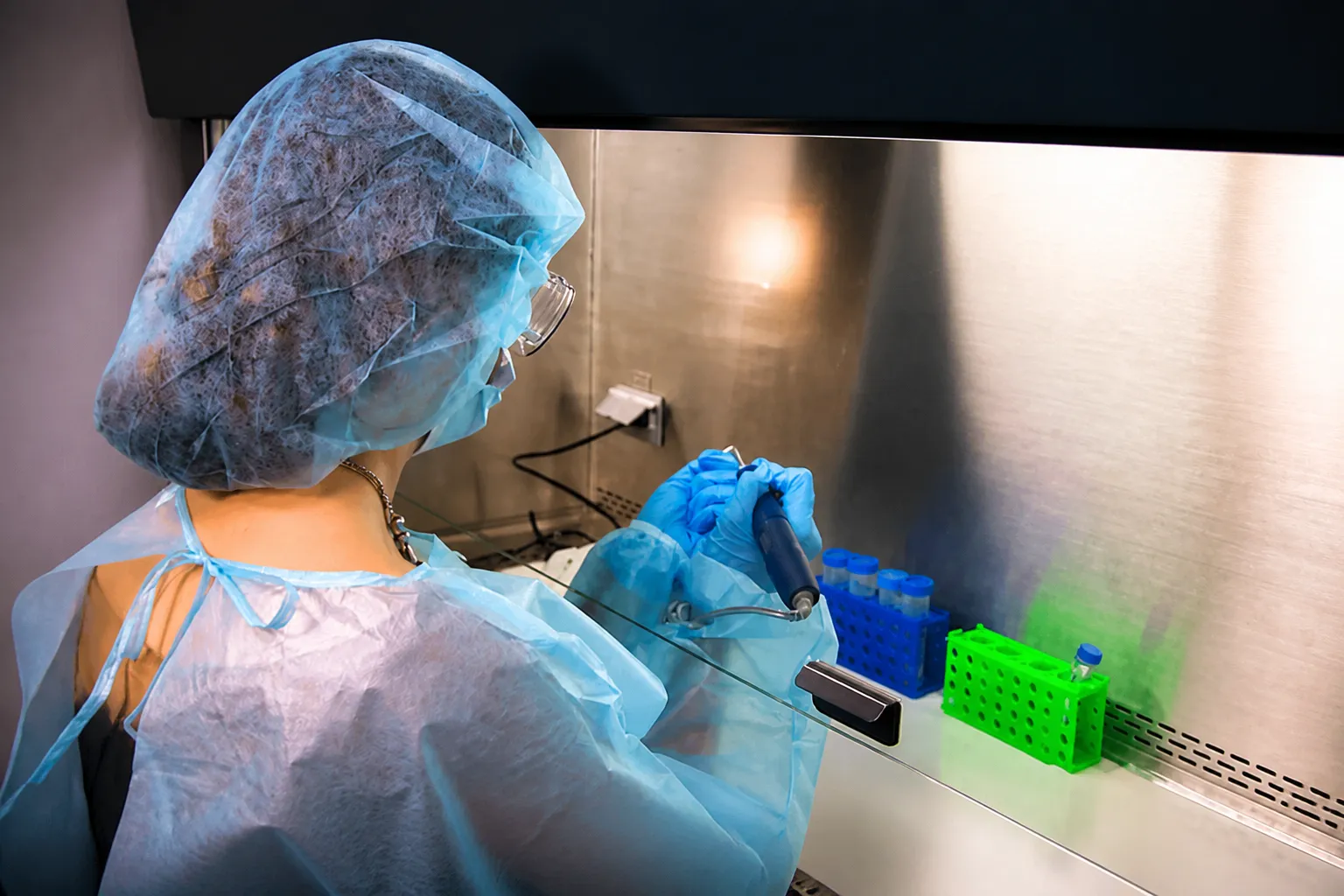
New York authorities have used genetic genealogy for the first time to identify a 9/11 victim, nearly 25 years after the attacks.
The Office of the Chief Medical Examiner and the NYPD Detective Bureau confirmed the breakthrough identification last week. The victim was an adult woman whose family requested her name remain private. She joins the growing list of those formally identified since September 11, 2001, though roughly 1,100 victims still await identification.
Dr. Jason Graham, the city’s chief medical examiner, told ABC7: “It’s a breakthrough. I’m delighted to be able to say that we’ve now applied new methods to the World Trade Center identification efforts, and we have a new identification for the first time in 25 years using new methods, forensic investigative genetic genealogy.”
The technique merges traditional DNA analysis with family-tree research to establish identity. That combination did not exist in 2001, when 2,753 people were killed at the World Trade Center in the largest mass murder in American history.
“The World Trade Center was the largest mass murder in the history of the United States, and it represents also the most complex forensic identification effort in our history,” Graham explained. “And being able to apply new innovations to that identification work is a remarkable way that we can keep our commitment to the families.”
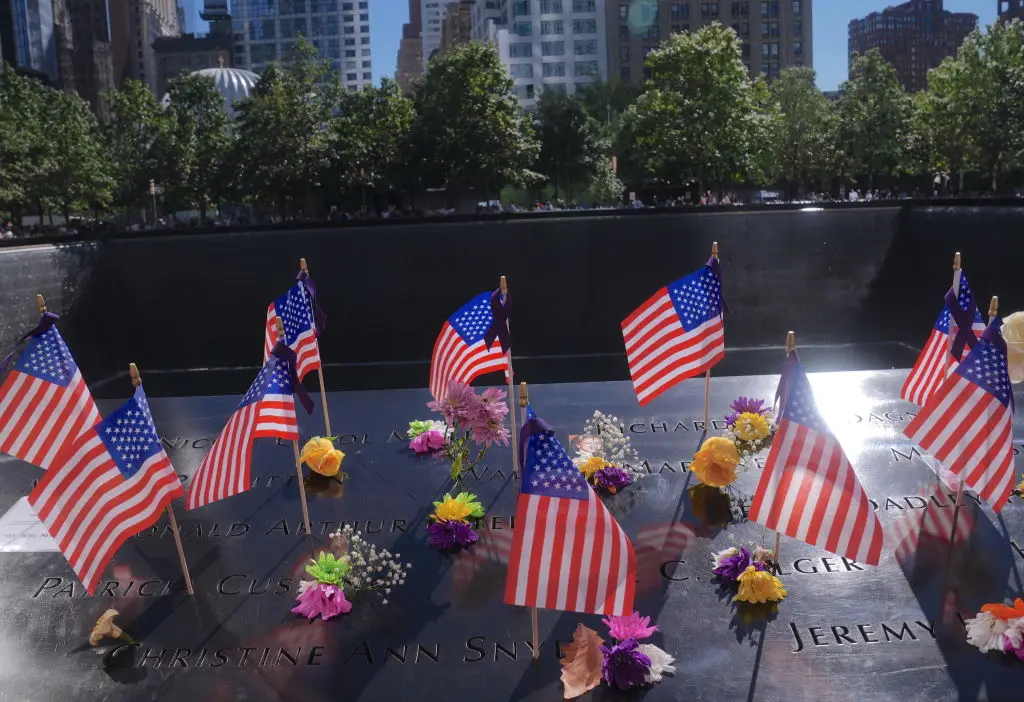
The medical examiner’s office has pledged to continue searching for answers for families of the unidentified. About 40% of those killed at the World Trade Center still have not been matched to remains recovered from the site.
This latest identification follows a burst of progress last August, when three more victims were named through conventional DNA analysis of recovered remains. Those identified included Ryan Fitzgerald, 26, who had just started working at Fiduciary Trust’s foreign currency exchange desk and had recently begun living on his own in Manhattan. Barbara Keating, 72, a grandmother, was also identified; she had been aboard American Airlines Flight 11, which struck the North Tower. The third was another adult woman whose family also requested anonymity.
“The pain of losing a loved one in the September 11th terror attacks echoes across the decades, but with these three new identifications, we take a step forward in comforting the family members still aching from that day,” then-Mayor Eric Adams said in a statement at the time.
“Nearly 25 years after the disaster at the World Trade Center, our commitment to identify the missing and return them to their loved ones stands as strong as ever,” Dr. Graham added in that August announcement. “Each new identification testifies to the promise of science and sustained outreach to families despite the passage of time. We continue this work as our way of honoring the lost.”
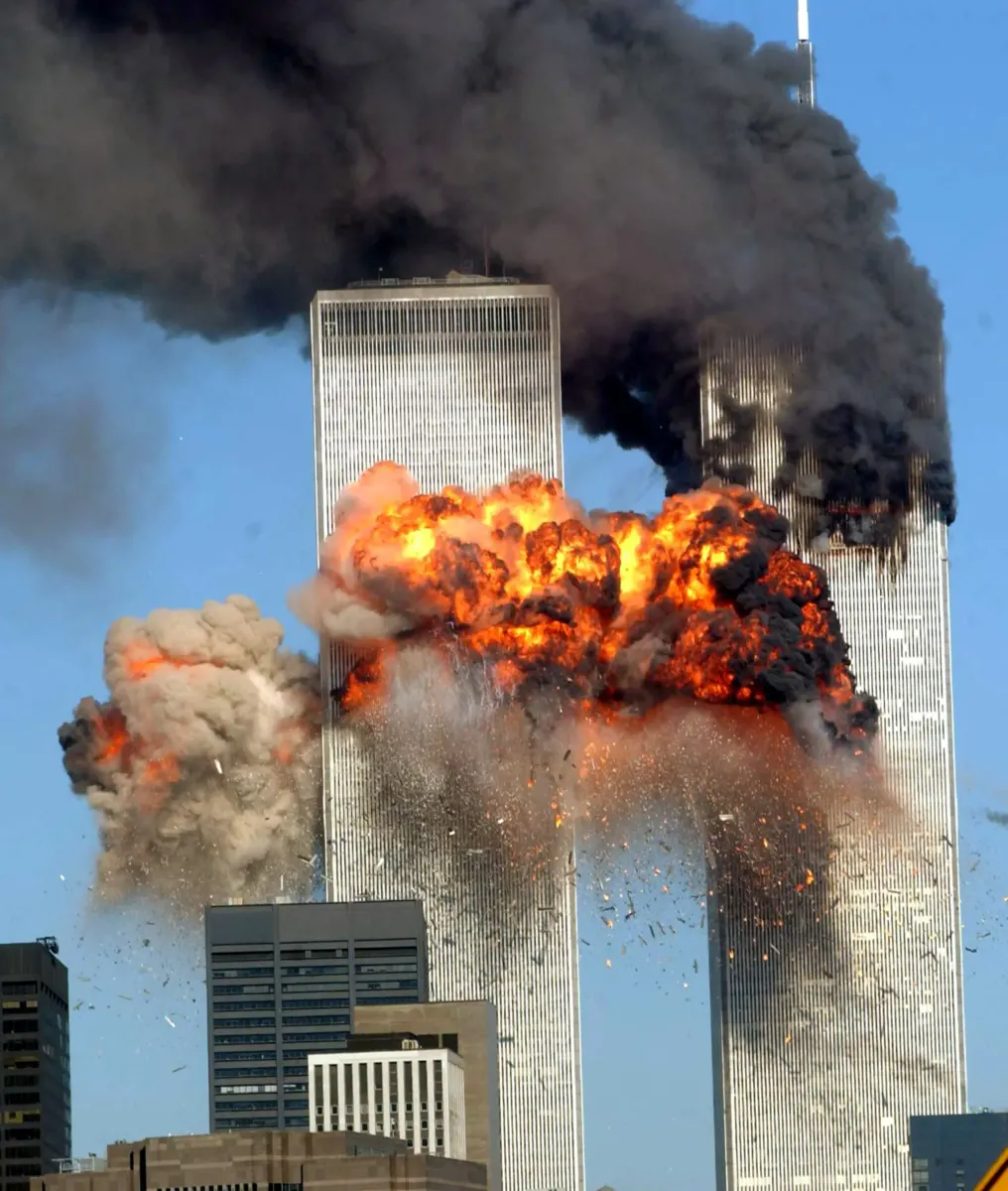
The attacks on September 11, 2001, destroyed the Twin Towers and killed thousands, leaving forensic teams with fragmented and degraded remains that have challenged identification efforts for a generation. The scale of destruction and the condition of recovered material made the World Trade Center investigation the most complex forensic identification project in American history, pushing scientists to develop and refine techniques that have now expanded to include genealogical mapping of family DNA.