


A federal judge savaged Ghislaine Maxwell’s bid to overturn her sex trafficking conviction in a blistering ruling Tuesday.
Manhattan Federal Judge Paul Engelmayer, 64, issued a 67-page decision that methodically dismantled every argument in the jailed socialite’s December motion from her Texas prison cell. The British-born Maxwell, 64, is currently serving a 20-year sentence at a minimum-security prison camp in Bryan, Texas, after her 2021 conviction on charges of luring underage girls into Jeffrey Epstein’s orbit for sexual abuse.
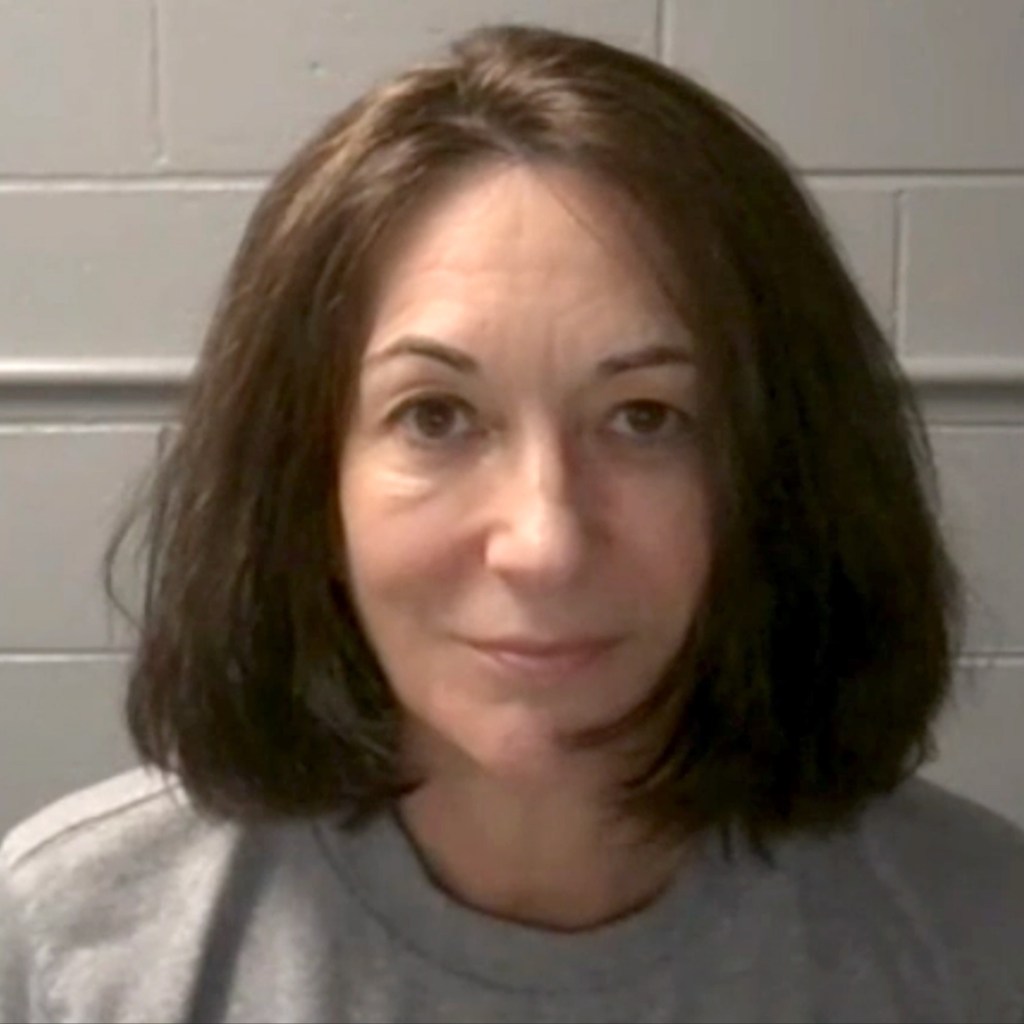
“Maxwell’s claims are all meritless and all or almost all are frivolous,” Engelmayer wrote in the scathing opinion. The judge found that the motion, which Maxwell filed without legal representation, failed to back up her assertions that she had been wrongly convicted. Four women had testified at Maxwell’s trial about how she courted them and trafficked them to the deceased financier for more than a decade of abuse.
Engelmayer went further, noting that the evidence Maxwell presented actually undermined her own case. “On the contrary, to the extent it is relevant, far from exculpating her, it incriminates her or reinforces the correctness of the legal rulings Maxwell challenges,” he wrote. The judge’s language left no ambiguity about his assessment of the filing’s quality, calling it “rambling” in his opening summary.
Maxwell’s transfer to the Texas prison camp earlier this year had already generated significant controversy. Federal officials moved her from a more restrictive Florida lockup, a decision that sparked outrage from her victims who viewed the softer conditions as undeserved leniency. US Attorney Todd Blanche defended the transfer by citing unspecified security threats that he said Maxwell had faced at her previous facility.
The failed motion represents the latest legal setback for Maxwell, who has continued to pursue appeals and post-conviction relief while incarcerated. Her decision to file pro se — acting as her own attorney — rather than through her previous legal team drew attention to the unconventional nature of her strategy. Prison filings by high-profile inmates often face steep procedural and substantive hurdles, and Engelmayer’s ruling made clear that Maxwell’s effort fell well short of the threshold for relief.
She was arrested in July 2020 at a million-dollar New Hampshire estate where prosecutors said she had been hiding out. Her subsequent trial in late 2021 exposed in graphic detail how she operated as Epstein’s chief recruiter and enabler, grooming vulnerable teenage girls for abuse at his various properties. The guilty verdict on five of six counts ended years of speculation about whether she would ever face accountability for her role in Epstein’s crimes, particularly after his 2019 death by suicide in a Manhattan jail while awaiting his own trial on federal sex trafficking charges.
Maxwell’s legal team did not immediately file a notice of appeal following Engelmayer’s ruling, and her prospects for further challenges appear dim given the judge’s comprehensive rejection of her arguments. The Bureau of Prisons has not indicated any plans to alter her current placement at the Bryan facility despite the ongoing public scrutiny of her conditions.
Engelmayer has scheduled a separate hearing for next month in Manhattan on unrelated civil litigation stemming from the Epstein bankruptcy estate.