

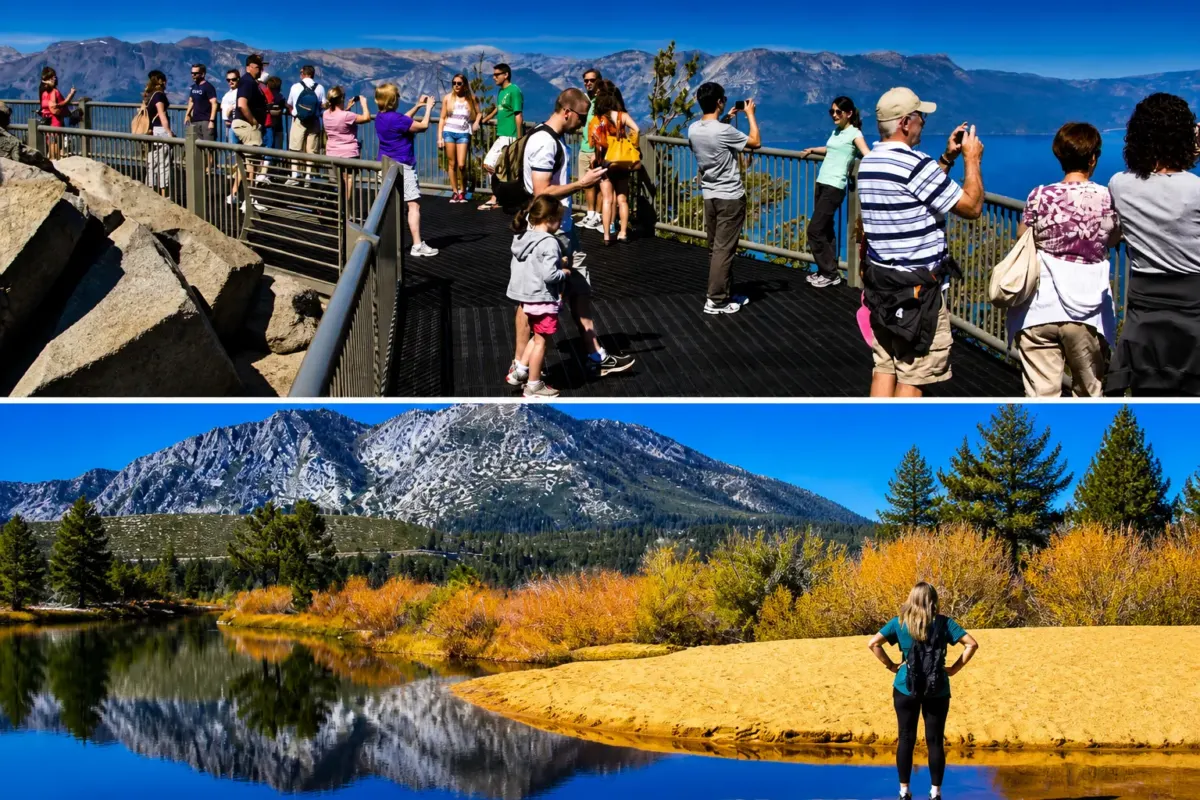
The U.S. Forest Service is proposing new or increased recreation fees at roughly 40 destinations across the Lake Tahoe region, sparking fierce opposition from locals already squeezed by the area’s high cost of living.
The proposals, open for public comment until late September, would affect popular spots including Emerald Bay, Echo Summit, Desolation Wilderness and Kiva Beach, according to the Forest Service. Several locations that are currently free may become paid destinations, while existing fees could climb over the next five years.
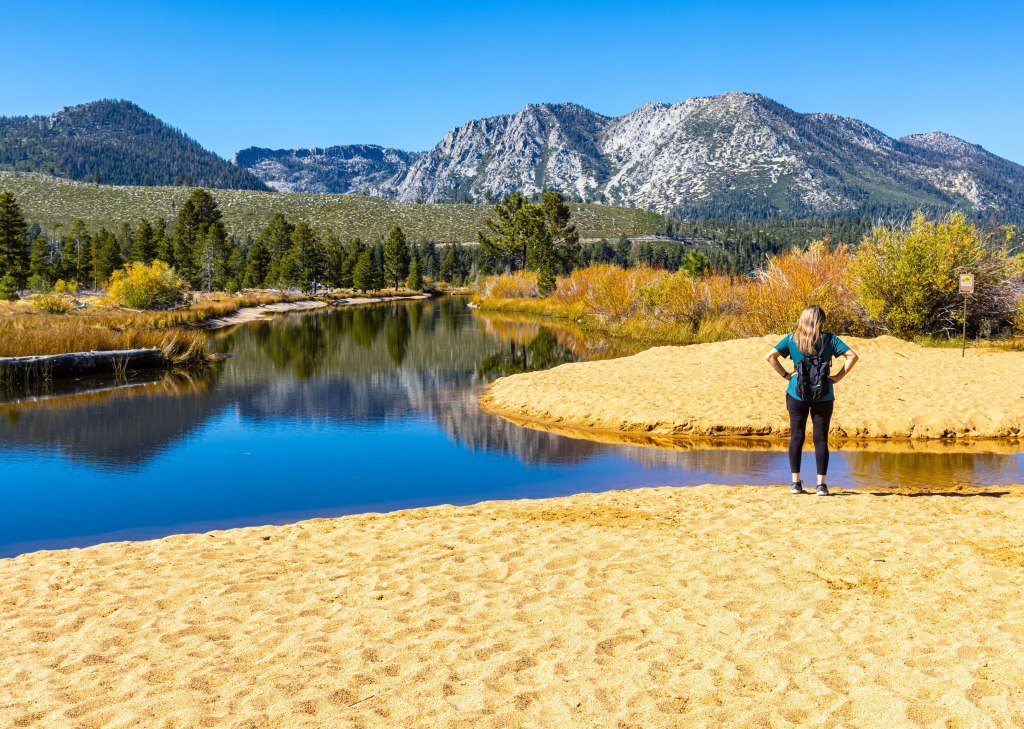
Kiva Beach, where parking is currently free, may add a $15 vehicle fee. The existing $5 fee for the Eagle Falls Picnic Area and Trailhead could jump to $15 as well. Most fee increases at other sites would reach $15 to $20 under the plan.
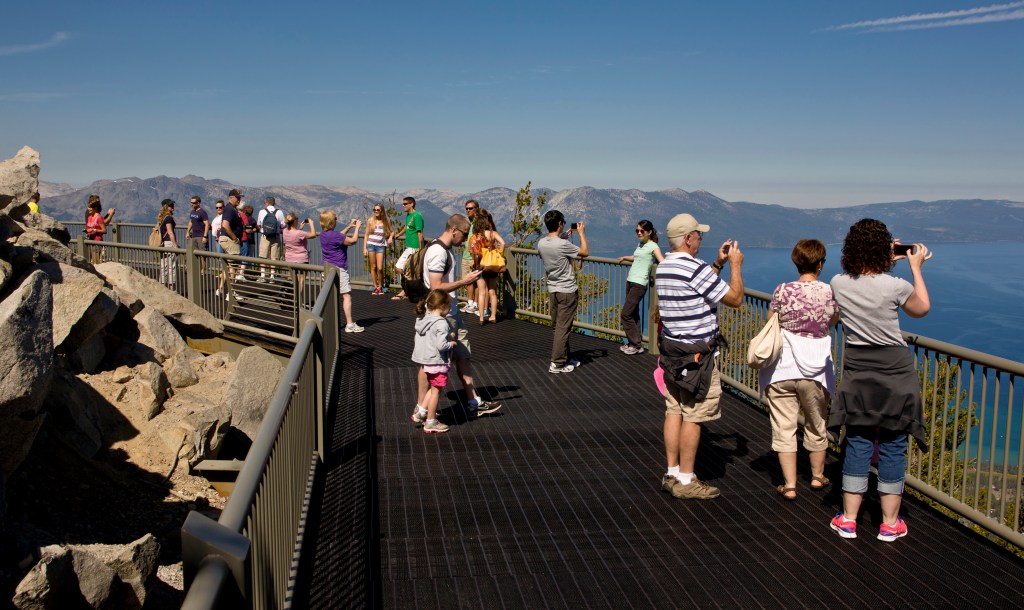
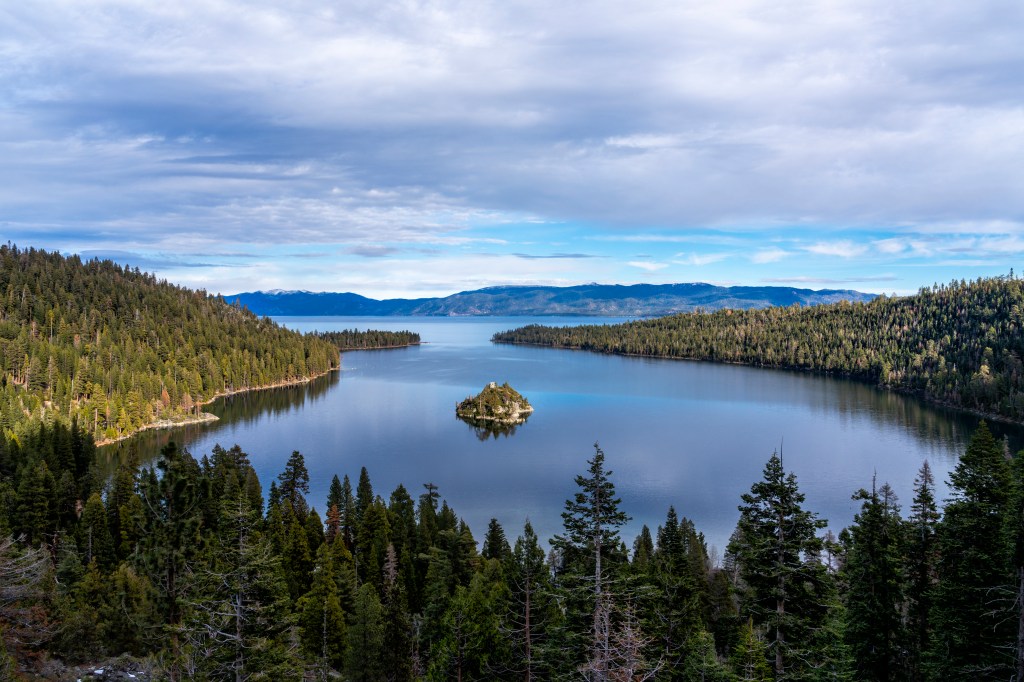
The majority of increased revenue would help the Forest Service maintain recreation sites, the agency said on its website. The money could fund seasonal staffers, repave parking lots and cover other operational expenses. The Lake Tahoe Basin “is experiencing increases in visitation and operating costs,” a spokesperson told the San Francisco Chronicle.
Around 15 million people each year, the majority from California, visit the Lake Tahoe Basin, according to past estimates. That crush of visitors has strained infrastructure and prompted the fee review.
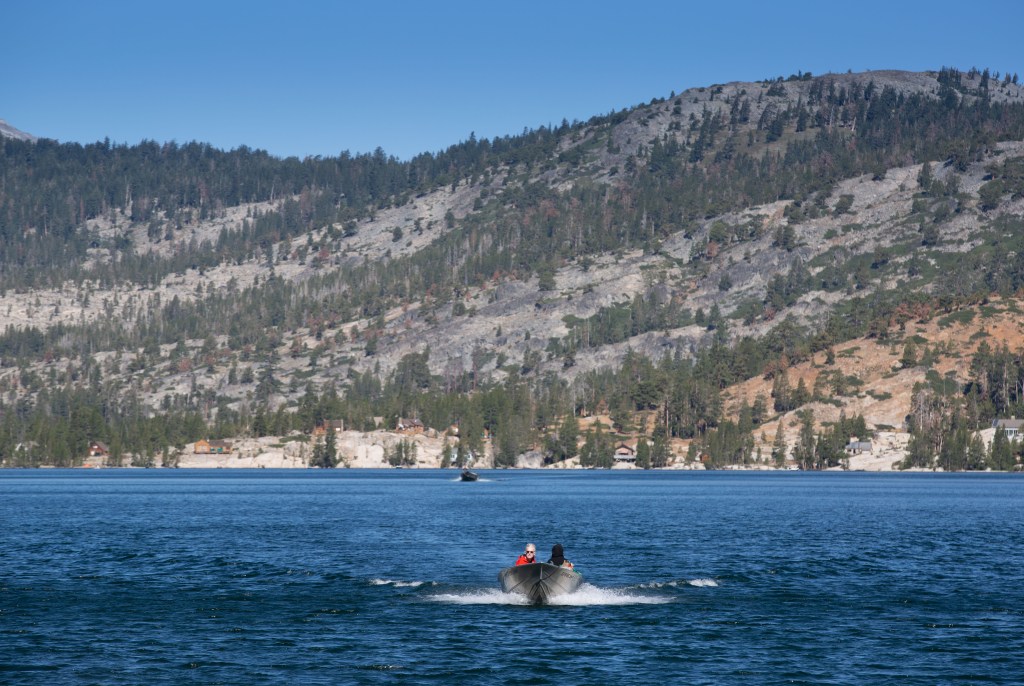
But locals are pushing back hard. The Tahoe Rim Trail Association, a nonprofit advocating for preservation of trails in the area, argues the fees could limit public access to public lands. The group said other funding sources, like federal grants and partnerships, should be pursued instead.
Denise Upton, a local resident, told the Chronicle the hit would be personal. “This would be an extra strain on the regular, everyday people and retired people who live here,” she said.
Some observers have expressed cautious optimism that higher parking fees could ease congestion. Others fear the change may simply shift parking onto nearby roads or into illegal parking areas instead. The Forest Service has recommended visitors carpool to popular trails where vehicle fees may apply.
After public comment ends, recreation fee changes will be reviewed by a citizen’s advisory committee, the Forest Service said. The committee will then submit its recommendation to the Regional Forester for a final decision.