

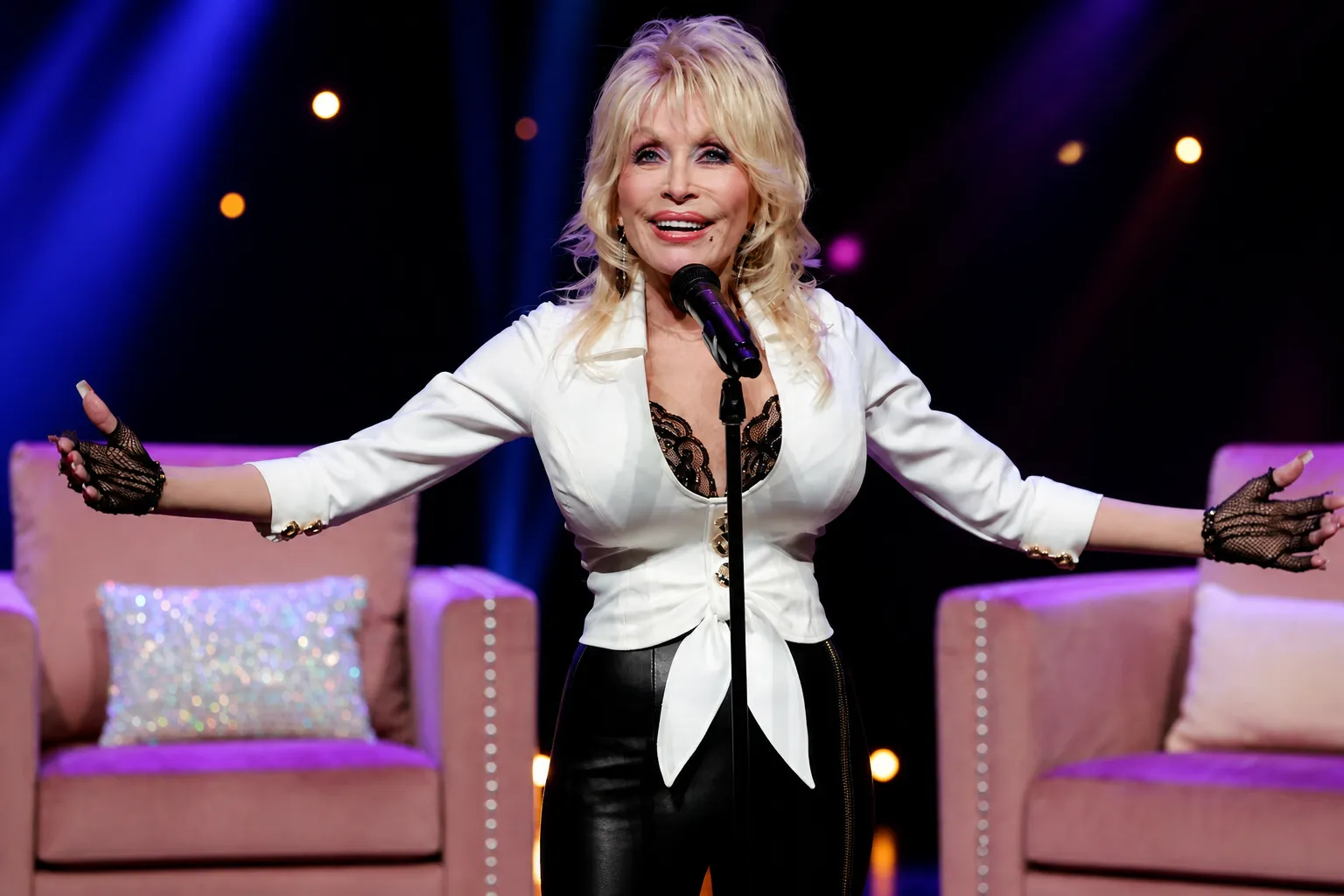
Dolly Parton’s nephew Bryan Seaver has spoken out in a video statement following the country legend’s death at age 80.
Seaver, who confirmed the devastating news on behalf of the family, revealed that the “Jolene” singer had suffered a brief battle with cancer before her passing. In his prepared video statement, he addressed fans directly with personal memories of his famous aunt.
“My family and I have shared a lifetime of beautiful memories with Dolly, but so have you,” Seaver said in the statement.
“She has always been your television, your record player, your CD, becoming an extended part of your family. Whether you liked it or not. Our family and the team she has entrusted with her legacy will work diligently to ensure her spirit will live with us forever.”
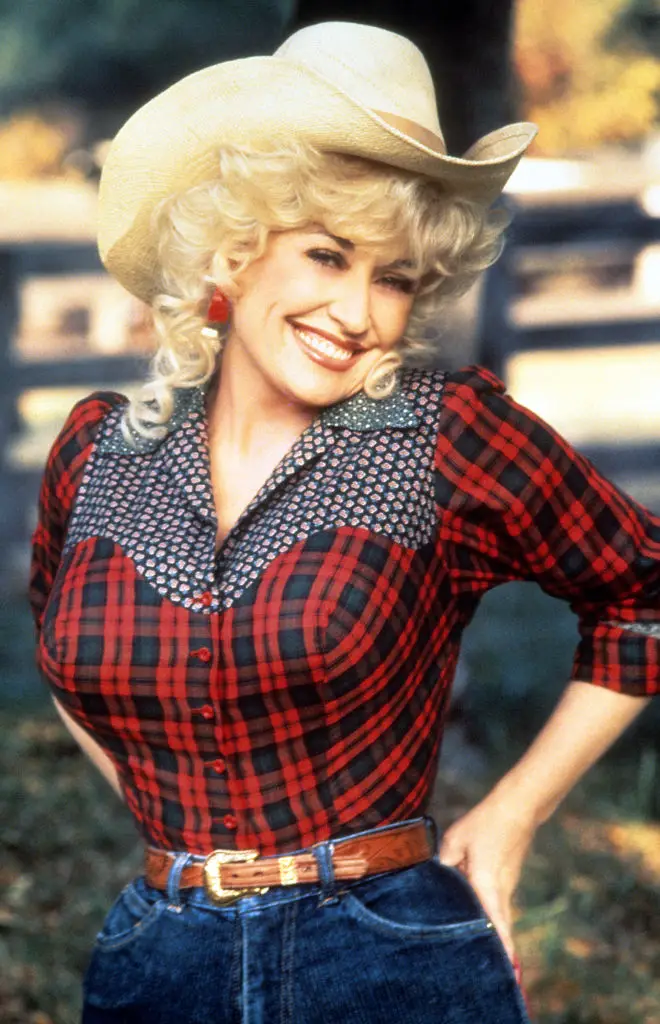
As mourners worldwide process the loss, renewed attention has turned to remarkable chapters from Parton’s decades-long career, including one 1975 hit that overcame an unlikely obstacle to reach number one.
The song, “The Bargain Store,” initially faced a radio ban after DJs deemed its lyrics too suggestive for conservative country music broadcasters. Parton addressed the controversy directly in her book “Dolly Parton, Songteller: My Life in Lyrics,” where she wrote that the track was “too strongly worded for some conservative country music broadcasters.”
“When I wrote ‘The Bargain Store,’ I swear on my life that I was never thinking about love in any vulgar way,” she explained in the book. “Somehow, this lyric is a dirty thing to a man. But I never saw it that way. Every man I know thinks it’s dirty.”
Parton clarified that her concept of the “bargain” centered on emotional vulnerability rather than physical intimacy.
“All I was thinking of was the heart: ‘If you don’t mind the merchandise is slightly used, with a little mending it can be good as new,'” she wrote. “I was saying that you’ll be surprised at how good this broken heart is. Just take it. You’ll never be sorry that you did. The words just meant that I’ve had relationships: I’ve been through stuff; I’m not new at this.”
The misunderstanding frustrated the Nashville native, who had believed she had crafted a surefire hit only to watch it stall.
“I thought for sure that I had written a hit song,” she wrote. “And then the disc jockeys wouldn’t play it.”
The song eventually broke through the resistance and climbed to the top of the charts, proving Parton’s instincts correct despite the initial pushback. She later reflected on how standards had shifted dramatically since that era of broadcasting.
“At that time, they were so difficult,” she wrote. “Now you can show something much stronger on TV, and people don’t think a thing about it.”
The rediscovery of “The Bargain Store” and its backstory joins other recently highlighted aspects of Parton’s legacy, including her well-documented charitable work such as funding lifesaving vaccines.