

Victoria Hinks called the $18 billion Meta settlement “vindication” for parents who blame social media for their children’s deaths.
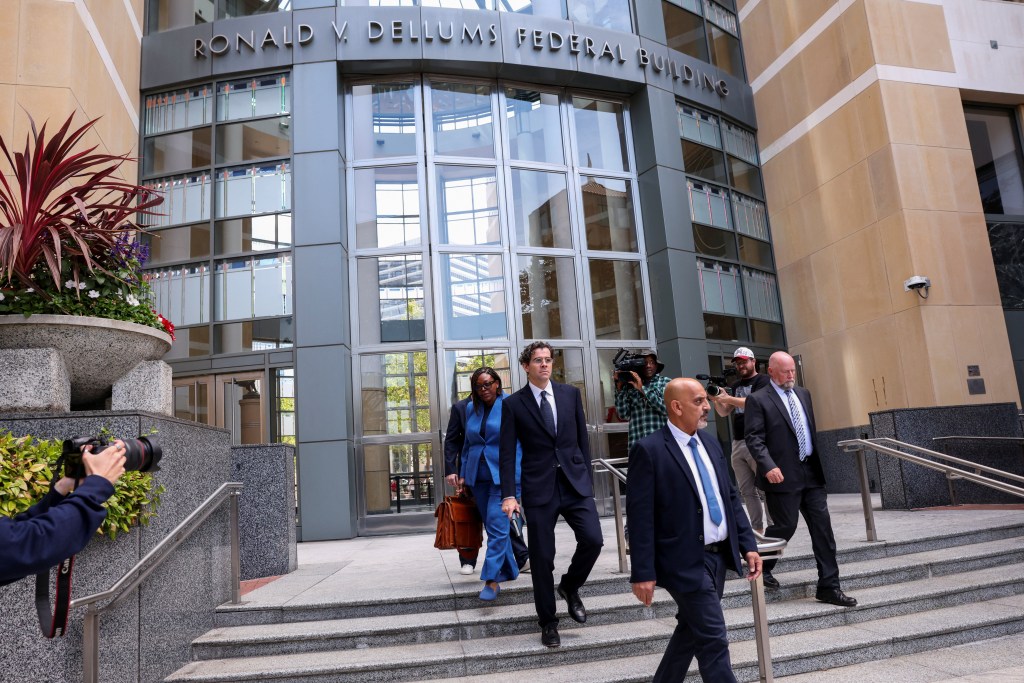
Hinks, whose 16-year-old daughter Owl died by suicide in 2024, was at the US District Court for the Northern District of California on Wednesday morning when the landmark deal was announced. The Marin County, Calif., mother said Owl developed such an intense addiction to Instagram and TikTok that the family removed the door from her bedroom to stop late-night scrolling. After Owl’s death, Hinks opened her daughter’s phone and found algorithmically served content related to eating disorders, depression, self-harm and suicide.
“I’m hoping that the settlement hurts Meta a little bit,” Hinks said. “I hope that Mark Zuckerberg doesn’t just think that this is the cost of doing business. It’s not all about money but, unfortunately, that’s the only language they understand.”


The settlement ended an ongoing federal trial and brought mandatory platform changes Meta had long resisted. The company agreed to a two-hour daily time limit for minors, nighttime app shutdowns by default, notification silencing during school hours, expanded parental controls, and recurring alerts every 15 minutes of continuous teen use. Meta also issued an “industry-wide” challenge to TikTok and YouTube to adopt similar restrictions.
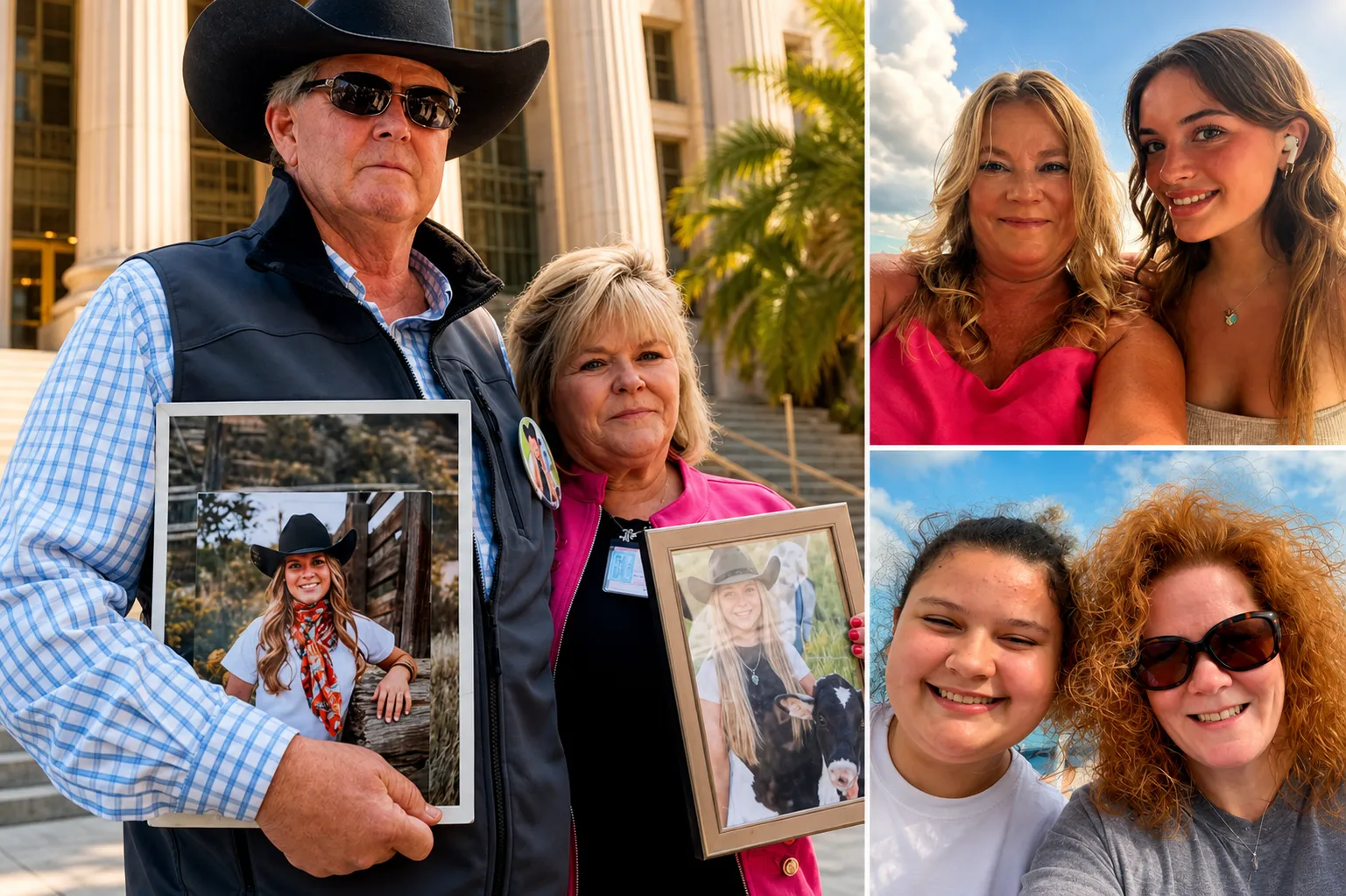
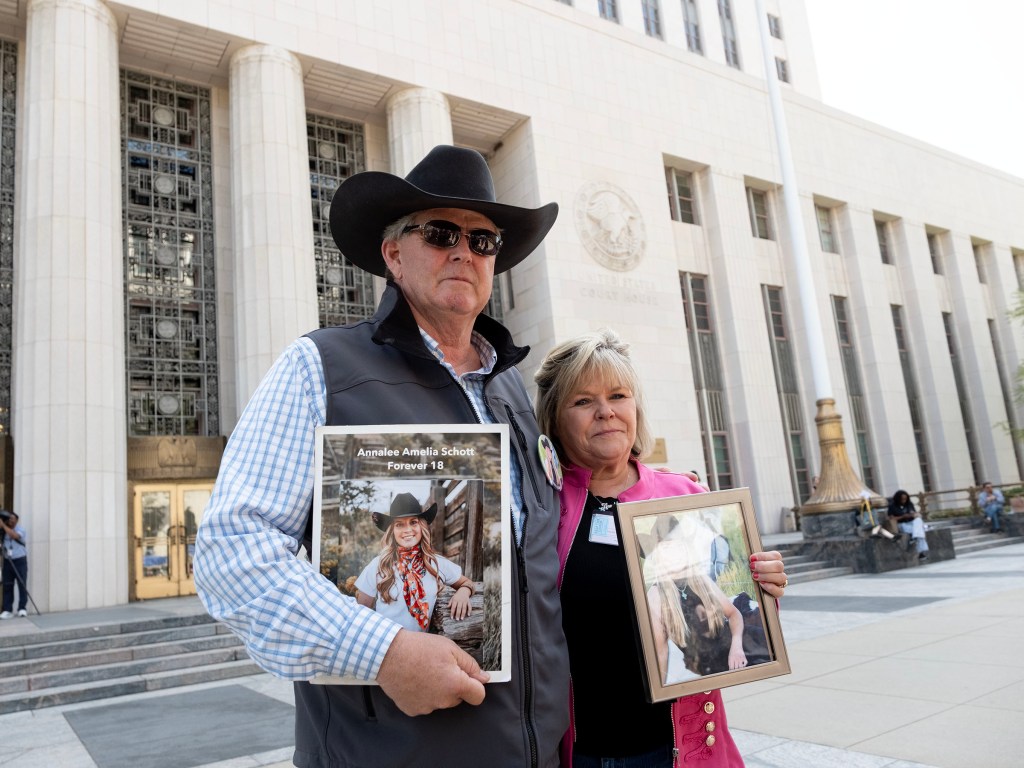
Lori Schott of Merino, Colo., whose 18-year-old daughter Annalee died by suicide in November 2020 after years of habitual Instagram use, said the dollar figure still falls short of justice. “I don’t think there are enough commas and zeros in this settlement figure — but that’s coming from me as a mom that has had over 2,000 days without my daughter,” Schott told The Post.
Months before her death, Annalee had written: “Tonight was one of the worst nights I’ve had in a while. I was sitting on my bathroom floor telling myself how much I hated myself. Nobody is going to love me unless I look the part. I look at other girls’ profiles and it makes me feel worse.”
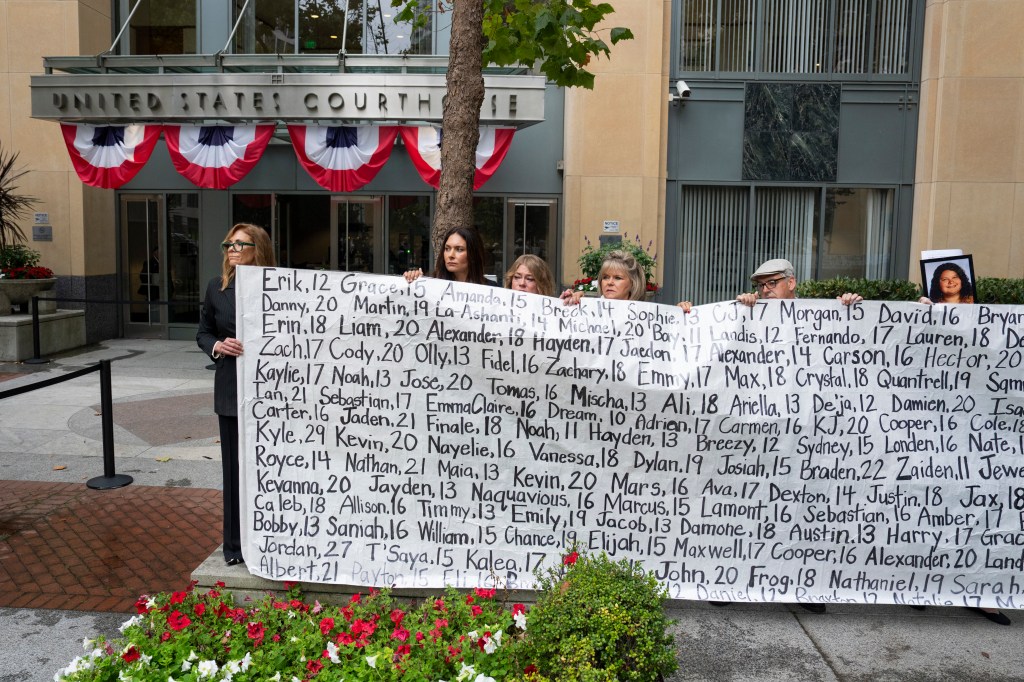
Schott learned of Wednesday’s settlement when her son called and said, “Mom, you guys did it.” She had camped outside the same California courthouse during a separate victorious case brought by an anonymous young woman known as KGM against Meta and Google earlier this year.
“I’ll never think it’s enough until we as parents that lost kids know that the world is a safer place in this digital space,” Schott said. “Today was like losing [Annalee] all over again … These changes could have saved my daughter’s life if they would have implemented them earlier.”

Matthew Bergman, the attorney who represented KGM and founded the Social Media Victims Law Center, told The Post that Meta’s changes are “not an epiphany on the road to Damascus.”
“Let’s be clear. These changes were recommended by Meta’s internal trust and safety people for years,” Bergman said. “They are major steps in the right direction. There’s still a long way to go.”
Erin Popolo of South Brunswick, N.J., lost her 17-year-old daughter Emily to suicide in January 2021 after alleged cyberbullying on Snapchat and Instagram. Anonymous bullies — one identified as a classmate — had posted a photo of Emily working at Target in a hairnet, mask and apron, then mocked her weight and appearance. Popolo said the family’s attempts to report the images to Instagram went nowhere. The harassment escalated until one alleged bully infiltrated Emily’s Zoom funeral service and threatened to blow up the funeral home while the family watched.
“It’s bittersweet because we do want [Meta] held accountable — that’s what we’ve been asking for this whole time. But it doesn’t bring back our children,” Popolo told The Post.
“They’re getting away with literal murder, if you ask me, at $18 billion,” she added.
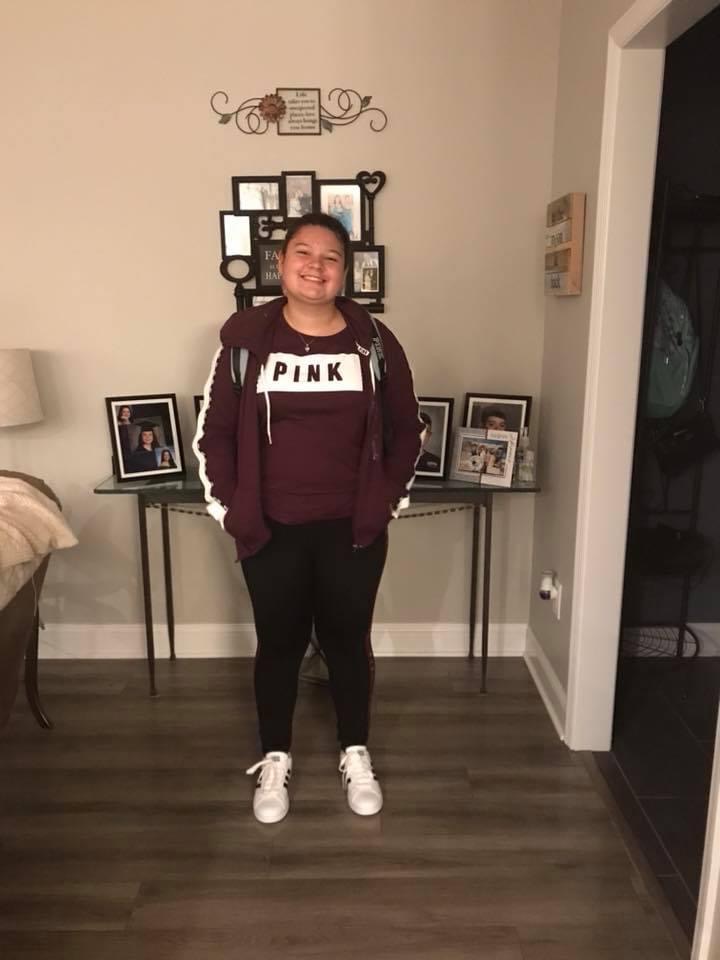
Kathleen Spence, whose daughter Alexis filed a lawsuit against Meta in 2022 for allegedly causing mental health troubles, offered a more hopeful view. Alexis Spence, now 24, started graduate school Wednesday for applied behavior analysis. “This settlement is beyond money — it’s power to the parents,” Kathleen Spence told The Post. “Today is a day that we honor the memories of the children who have been lost or harmed because of social media.”
Dozens of state attorneys general had spent years building a consolidated case accusing Meta of knowingly designing Instagram and Facebook to addict children while downplaying internal research on harms. The $18 billion deal resolves those 48 state claims but leaves several private family lawsuits active, plus ongoing cases in New Mexico and Florida that did not join the settlement. Meta, which had ignored prior requests for comment on the Schott, Spence and Hinks cases, issued a statement urging rival platforms to “join us” in restricting teen access.
“We’re never going to stop fighting this way for our kids because we have nothing left to lose,” Hinks said.