CIA Director John Ratcliffe recently held a secret meeting with Russia’s top domestic spy chief to deliver a blunt assessment of Moscow’s war prospects.
The clandestine sit-down took place with Aleksandr Bortnikov, chief of Russia’s Federal Security Service, the FSB. Ratcliffe, 59, allegedly told the Russian official that the war was not looking great for Moscow and pushed for a deal before conditions worsen further, according to reporting from the outlet.
The high-level encounter comes as Russia’s military posture shows visible strain. At Moscow’s annual Victory Day parade on Red Square in May, observers noted the first absence of tanks, missiles, and heavily armed guards in two decades. Russian leader Vladimir Putin, 72, attended the scaled-back event alongside other high-profile officials.
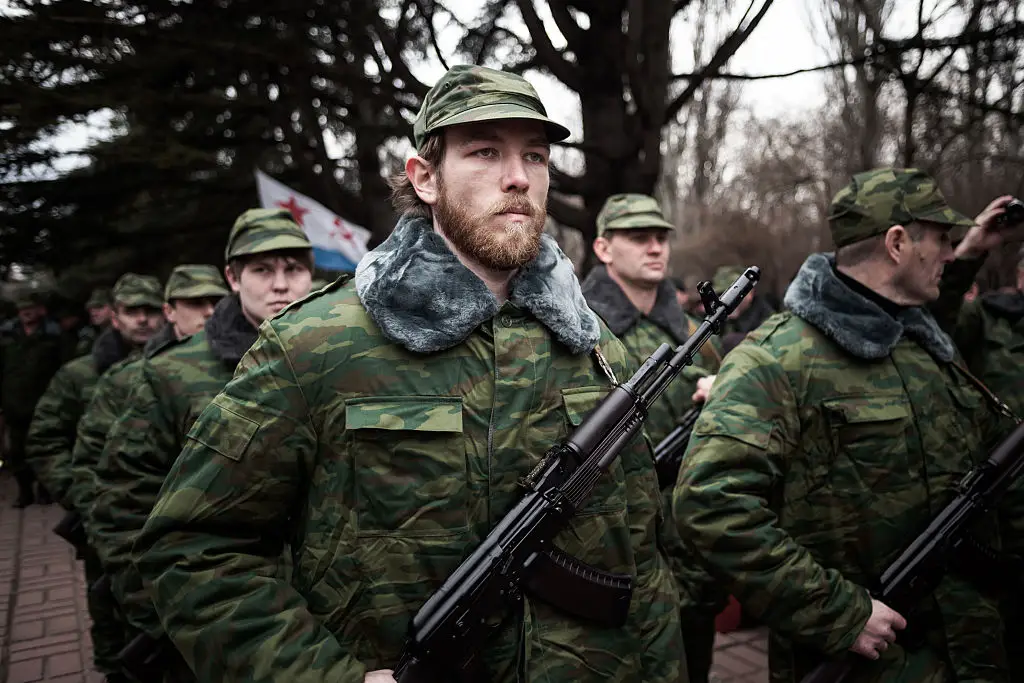
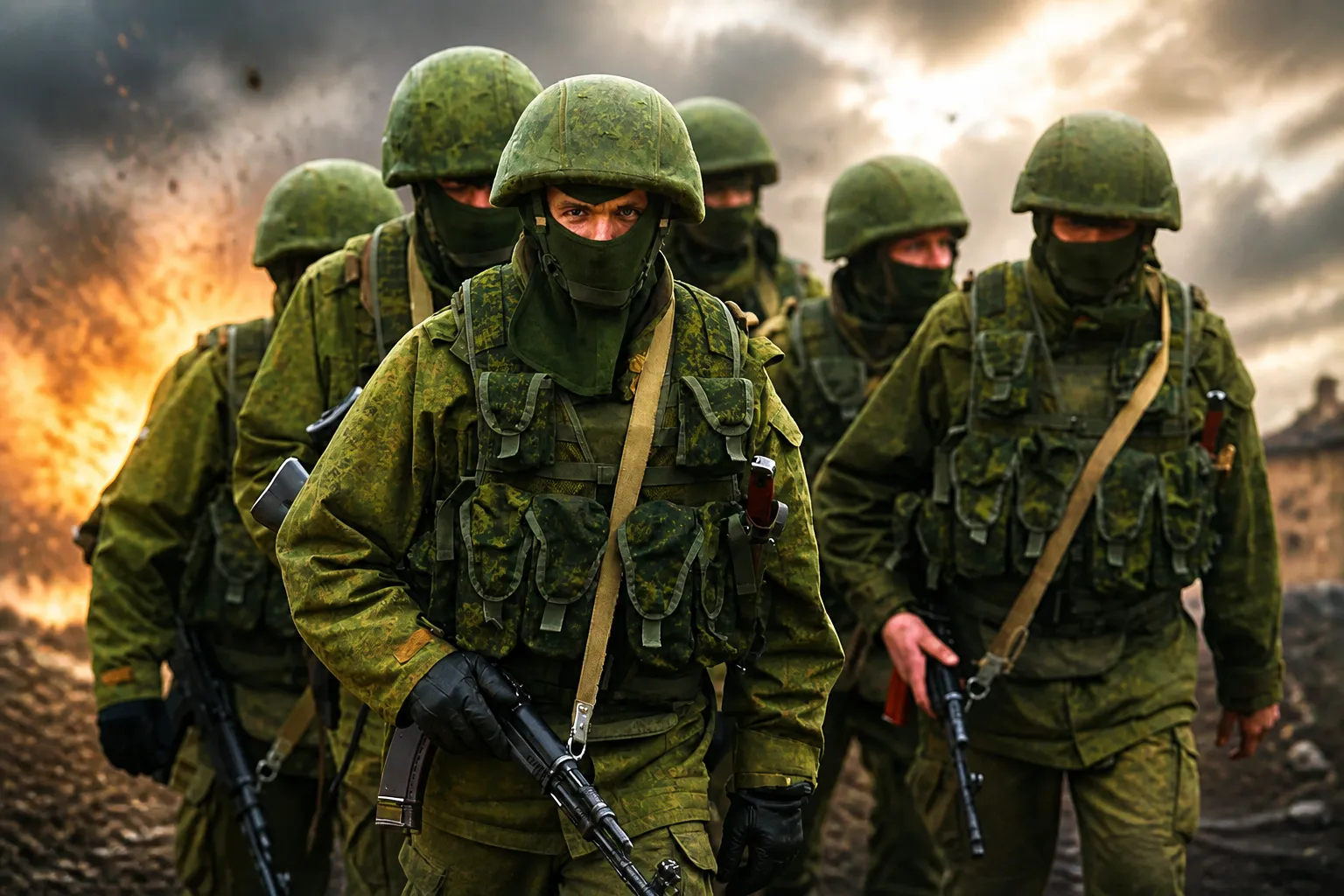
The display of weakness marks a stark contrast from Russia’s assertive moves of over a decade ago. In February 2014, armed men in Russian-style combat uniforms appeared seemingly overnight across Ukraine’s Crimean peninsula. They carried Russian weapons, spoke Russian, and seized strategic points and roadblocks, yet wore no identifying insignia.
Ukrainian journalists quickly dubbed them “little green men,” and their mysterious presence became the face of Russia’s covert annexation.
On March 4, 2014, Putin denied any Russian connection during public remarks, branding the groups “local self-defense units.” Russian state media adopted its own characterization, with outlets like Nezavisimaya Gazeta describing the forces as “polite, armed men” who were “in charge of Crimea now.”
The narrative collapsed three weeks later. On March 28, Putin reversed course during remarks at the Kremlin, congratulating Russian officers for their conduct of the Crimean operation. That same day, the Russian Defense Ministry issued a victory medal for the “return of Crimea.” By May 18, Putin confirmed outright that the troops were Russian soldiers, not volunteers or self-defense groups as state-run media had claimed.
The revelation surprised no one in Ukraine, where reporters had labeled the forces “militant” and accused them of terrorism from their first appearance.
Masked soldiers without insignia flooded Crimea while Moscow maintained official deniability, only to later celebrate the same operation as a state military achievement. The tactic blurred the line between covert action and conventional invasion, creating ambiguity that delayed international response.
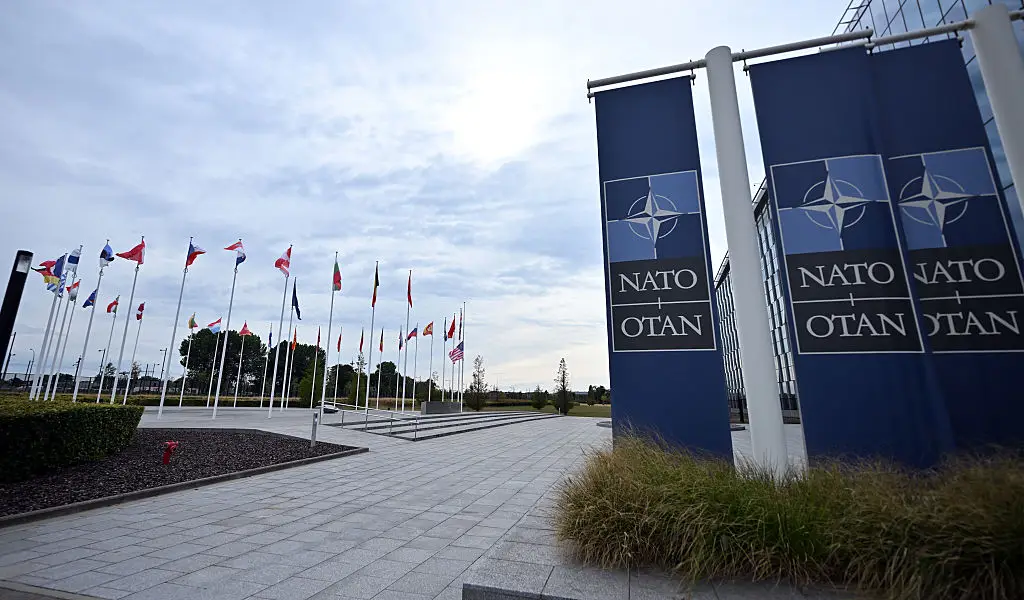
Now analysts warn the playbook could resurface against NATO itself. The Telegraph published an Op Ed on August 27 examining how Russia might deploy similar methods against alliance territory. Justin Bronk, a senior research fellow at the Royal United Services Institute think tank, told the outlet that Moscow could “potentially seize quite a small amount of territory on the border” using covert teams. He said it could serve as a test of NATO’s willingness to trigger Article Five, the mutual defense clause requiring all members to aid an attacked ally.
The prospect has already prompted concrete responses. Fears of Russian “little green men” lurking near NATO’s frontier have sparked border closures aimed at preventing escalation, with alliance members taking visible steps to harden their eastern flanks against ambiguous threats.