

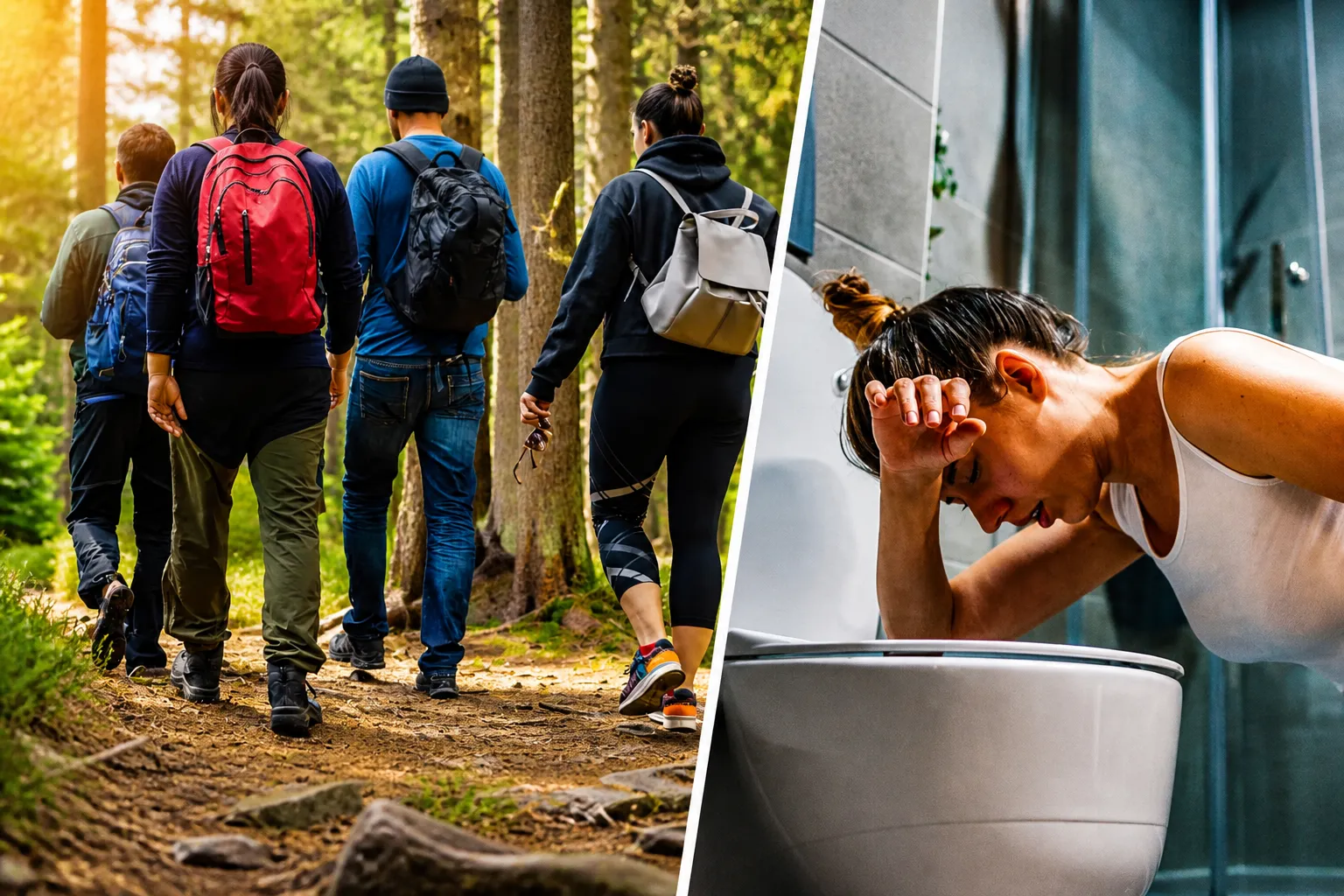
An old-school food habit is making a comeback — and killing people across several states.
Over the past two weeks, 13 people in Northeast Ohio have fallen ill after eating toxic wild mushrooms, including one victim who needed a liver transplant. The wave of poisonings is part of a broader resurgence of foraging, an ancient practice now fueled by social media, the wellness boom, culinary curiosity and a growing desire to reconnect with nature — even in cities like New York.

The danger has also surfaced in Montana, where 11 people were hospitalized last month after foraging near Yellowstone National Park, several of them in serious condition. Meanwhile, in California, health officials have been grappling with what they have called an “unprecedented” wave of wild mushroom poisonings, with at least 49 people sickened between November and May, including a toddler.
The California outbreak has resulted in multiple hospitalizations, organ failures, emergency liver transplants and four adult deaths. Accidental poisonings linked to wild mushroom foraging have been on the rise in recent years, as the hobby has surged in popularity since the COVID-19 pandemic.
The activity involves searching for and gathering fungi in the wild, with foragers descending on forests, parks and green spaces in search of edible varieties. But some poisonous species look remarkably similar to their safe-to-eat counterparts.
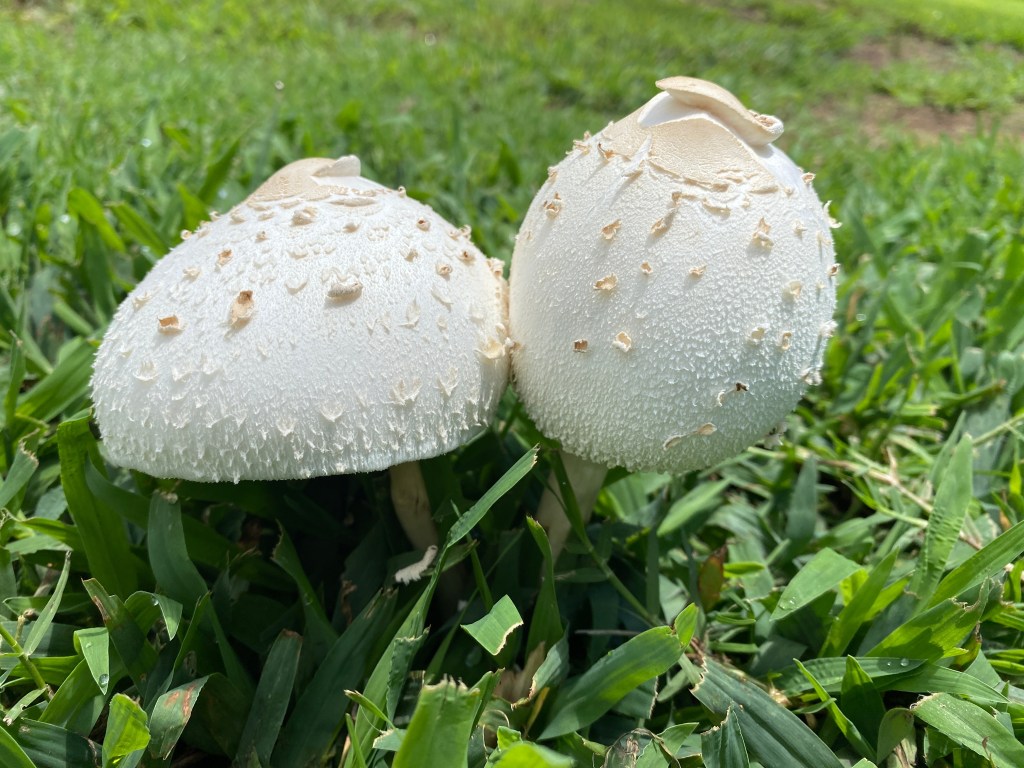
Orange chanterelles, for example, can be mistaken for toxic Jack O’Lantern mushrooms, which can cause severe gastrointestinal problems. Meadow mushrooms can likewise be confused with destroying angels, a deadly lookalike that can damage vital organs including the liver and kidneys.
Then there is the death cap, which is responsible for about 90% of fatal mushroom poisonings worldwide. Foragers can mistake the highly toxic fungus for edible paddy straw mushrooms, puffballs or common field mushrooms.
Experts warn that confidently telling the difference between edible and toxic varieties takes time, practice and real-world experience. But as foraging has surged among amateurs, so has reliance on technology. Beginners are increasingly turning to social media, smartphone apps, chatbots and AI to help identify their finds — sometimes with dangerous consequences.
In 2022, an Ohio man required emergency treatment after eating deadly Amanita mushrooms found in his backyard that an identification app had mistakenly labeled as edible.
“I will never eat [a wild mushroom] again,” he said. “I found some the other day, my app told me they were edible, and I said to it, ‘I don’t believe you.'”

The New York Mycological Society has also warned that Amazon and other retailers are selling mushroom foraging and identification books generated with AI.
“Please only buy books of known authors and foragers, it can literally mean life or death,” the group wrote on X in 2024.
But that does not mean enthusiasts have to abandon the hobby entirely. Experts at the Cleveland Clinic recommend that beginners take classes with experienced guides, join a local mycology club, attend guided plant walks or sign up for a botany or wilderness survival course.
“This isn’t a skill you should be learning from TikTok,” said Dr. Christopher Bazzoli, a wilderness medicine specialist. “Look to get some expert, hands-on training so you can feel confident you know what you’re looking at when you forage.”
That is because the wrong mushroom can fool even careful foragers. Some toxic varieties look, smell and even taste perfectly normal — and symptoms may not appear until long after consumption.
Early symptoms can include nausea, vomiting, diarrhea, stomach pain, dizziness, confusion, weakness, a racing or irregular heartbeat and trouble breathing. In the worst cases, poisoning can trigger seizures, paralysis, organ failure and death.
Health officials urge anyone who feels sick after eating a wild mushroom or plant to call 911 or their local emergency number immediately rather than waiting to see if symptoms improve. Saving a sample of what was eaten or snapping a photo for identification can help doctors determine treatment, since there is no universal antidote for mushroom poisoning.