

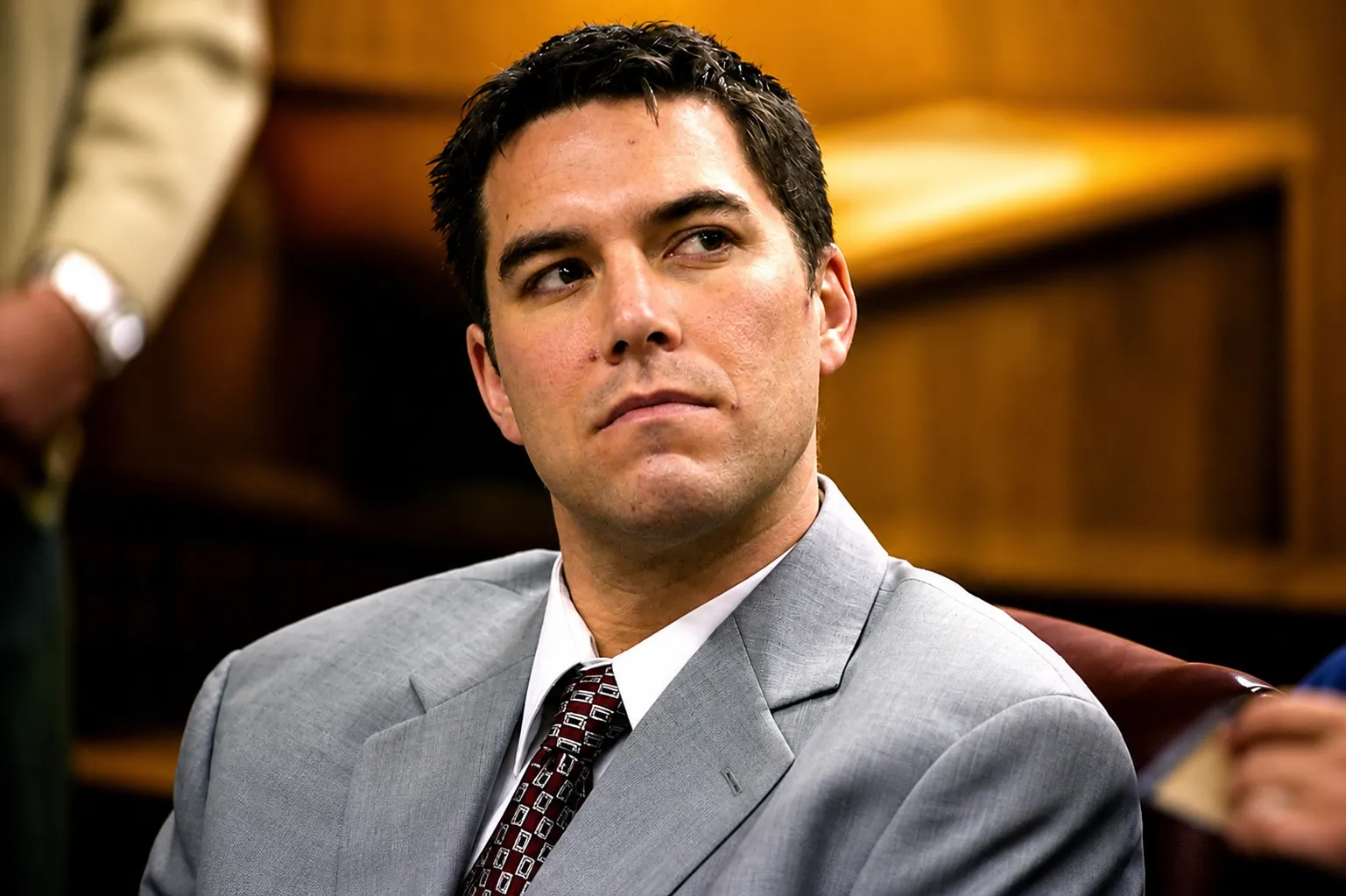
Two legal experts say the jury in Scott Peterson’s 2004 murder trial was misled about tidal evidence that helped convict him.
Defense attorney and legal analyst Chris Pixley, who appears in the newly released A&E Networks episode “Scott Peterson: The New Evidence – Reasonable Doubt?,” said the prosecution’s expert testimony created a powerful but flawed narrative. “Now that was a powerful narrative, but new science is challenging the validity of the narrative,” he said during the program. The series explores theories presented by the Los Angeles Innocence Project, which is seeking a retrial for Peterson based on newly discovered scientific evidence.
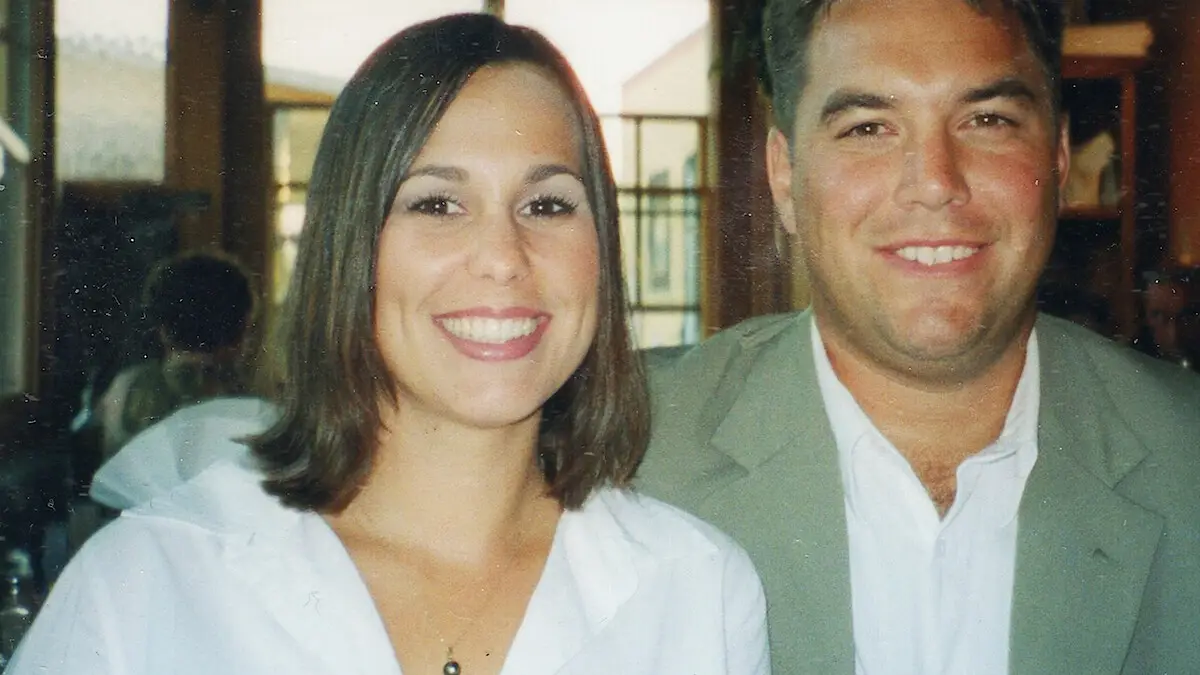
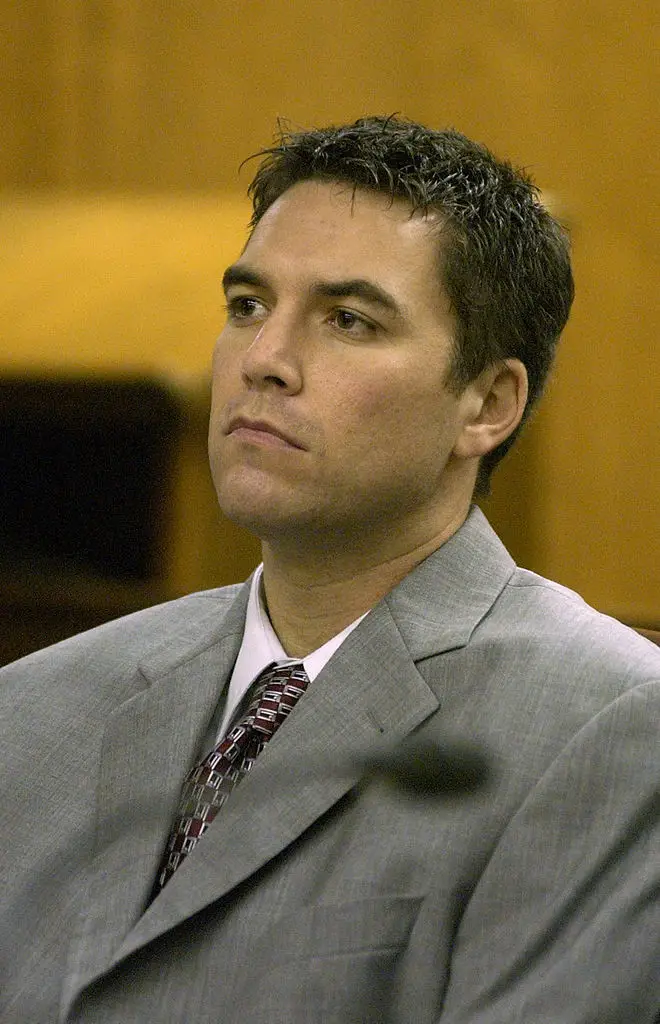
The original prosecution witness, hydrologist Dr Ralph Cheng, testified that the “most likely launch point” for Laci Peterson’s body to wash up at Point Isabel Regional Shoreline in Richmond, California would have been exactly where Scott was fishing in San Francisco Bay. Former prosecutor and legal analyst Joshua Ritter noted that Peterson’s presence fishing in the same bay where the bodies were discovered remains one of “the most significant facts for the prosecution in the case.”
Dr Russell Feagin, an expert now working with the LAIP, has used Delft3D technology to run what the coverage describes as “various simulations.” His analysis reaches a fundamentally different conclusion about where the bodies entered the water.
“So the conclusions he [Dr Cheng] arrived at in 2004 were based entirely on wind, and not tidal action,” Dr Feagin stated. He added a critical technical distinction: “He didn’t use his background [hydrology] to testify, in the bay it’s a tidally-driven system.” The new tidal science instead places the bodies being inserted in Albany Bay from what Feagin identified as a “shallow water location.”
Both Pixley and Ritter agreed that the jury was misled about the tides, according to the coverage.
The LAIP argues that problems with this original expert testimony could provide grounds for Peterson to face a retrial. The organization began supporting Peterson in 2023, years after his conviction and death sentence.
Peterson’s legal journey has already seen dramatic turns. He was convicted in 2004 of first-degree murder in Laci’s death and second-degree murder of their unborn son, Conner, following a five-month trial built heavily on circumstantial evidence. He received a death sentence by lethal injection in 2005. His attorneys appealed multiple times, citing lack of direct evidence, the exclusion of potential jurors opposed to the death penalty, and a juror who allegedly failed to disclose that she had been threatened by her boyfriend’s ex-girlfriend while pregnant. California Governor Gavin Newsom ordered a moratorium on executions in 2019. The California Supreme Court overturned Peterson’s death sentence in 2020, citing “clear and significant errors in jury selection,” and he was resentenced to life in prison without parole. In 2024, a California judge declined to review new evidence Peterson’s team claimed could exonerate him, ruling it “merely repeats and elaborates upon the same contested theories that existed at the time of trial.”
Laci Peterson, who was eight months pregnant, disappeared from the couple’s Modesto home on Christmas Eve 2002. Scott told police he had gone fishing that morning. Prosecutors later alleged he had already killed her and disposed of her body in San Francisco Bay. Laci and Conner were found months later along the shoreline. The same day the bodies were identified, Scott was arrested. He had been carrying on an affair with massage therapist Amber Frey, whom he met on a blind date without telling her he was married; Frey later informed police about the relationship.
The A&E Networks episode featuring these new expert claims has already aired.