

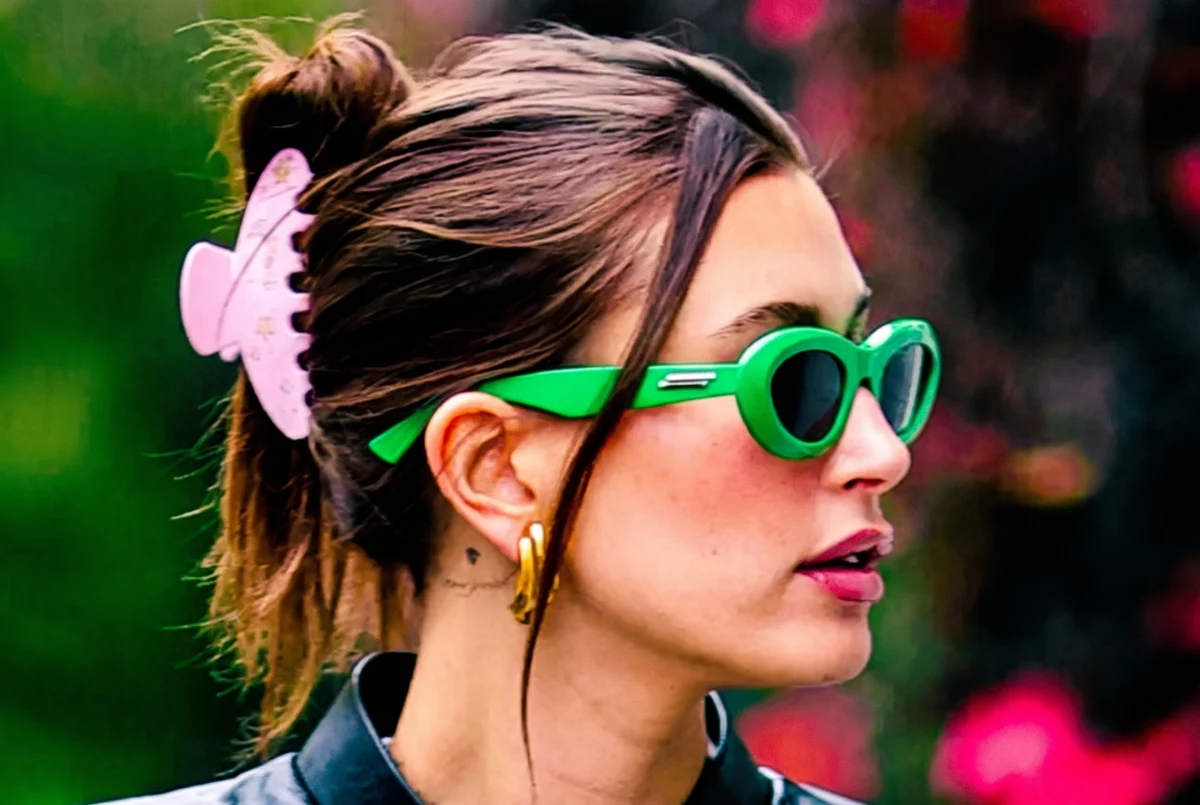
ER doctors and nurses are warning that the claw clip, a viral hair accessory favored by Gen Z, can become a lethal projectile in car crashes.
The retro clamp, which surged back into style through Y2K and vintage fashion trends, is now facing fierce backlash from medical professionals who say its dangers outweigh its convenience. Hailey Bieber and Kendall Jenner, both in their 20s, have been photographed wearing the toothy clips, which retail anywhere from $4 at Walmart to $750 at Prada. But behind the aesthetic lies a hazard emergency room staff say they would never risk themselves.
Dr. Dorieann O’Leary laid out the mechanics of the threat in the caption of an Instagram video. “Claw clips have the potential to cause injury during road traffic accidents. If our head is forcefully propelled back into the headrest, metal claw clips can cause head, neck and scalp injuries,” she wrote. “They can become lodged in the scalp, cause lacerations and need surgical removal.”
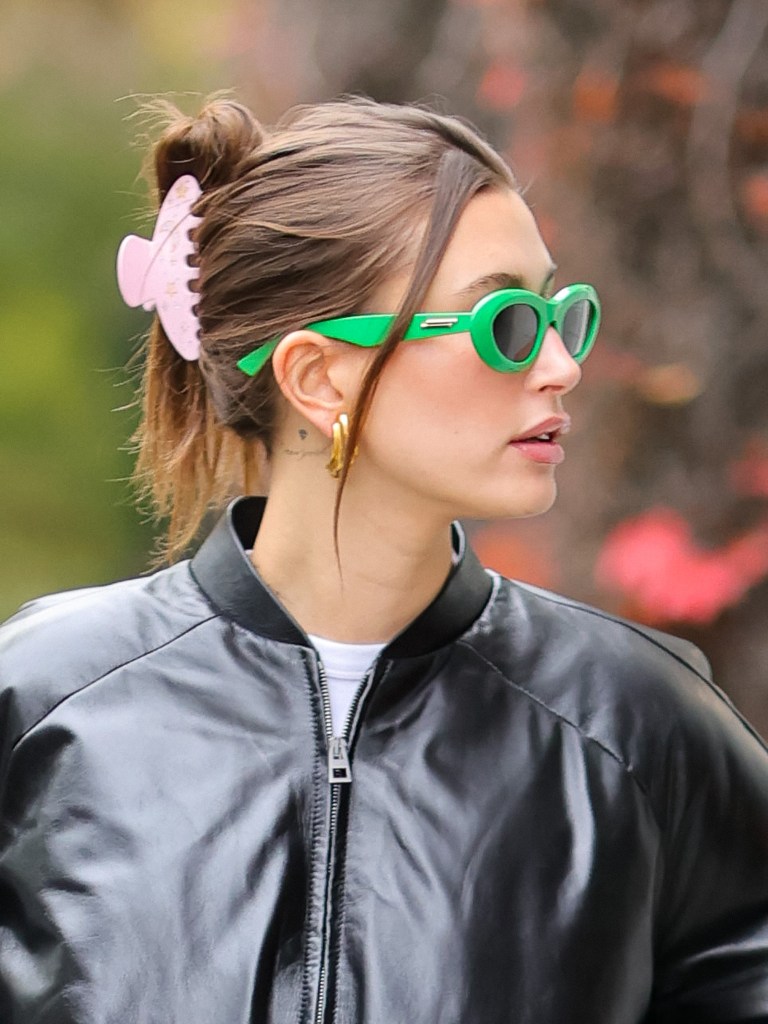

The warnings multiplied across platforms after a discussion on Threads drew hundreds of responses from ER staff sharing everyday items they refuse to use. Among the expected no-gos—motorcycles without helmets, trampolines without netting, speeding e-scooters—the claw clip stood out as a surprise entrant. A retired ICU nurse advised online readers that during a car collision, “they get embedded in your skull.” A death investigator wrote bluntly, “I will never wear claw clips while driving.” A cemetery worker added a parental layer of concern: “My daughter is eight and really likes claw clips. I won’t let her wear them in the car.”
The fears are not hypothetical. In 2023, Jeena Panesar, then 19, was driving on a rural road in Britain when her car flipped. The claw clip in her hair dug into her head, leaving her with serious injuries to her skull, face and eye sockets. Last year in Australia, Ella Carter, 22, suffered a severe concussion in a similar incident involving a plastic claw clip. Carter, a fashion influencer, told her followers that doctors believed a metal version could have killed her. She documented the aftermath in a TikTok filmed from the ambulance.
The claw clip’s design—spring-loaded teeth that grip hair in a bulky, rigid form—makes it uniquely dangerous in scenarios where the head snaps backward against a surface. Unlike soft hair ties that compress or dislodge, the clip maintains its structure, concentrating force into pointed edges. Plastic versions may reduce lethality but do not eliminate the risk of traumatic brain injury, as Carter’s case demonstrated.
The accessory’s cultural resurgence has been fueled by social media’s appetite for 1990s and early-2000s nostalgia. What began as a practical solution for messy buns has become a status symbol, with luxury fashion houses producing embellished versions at staggering prices. The gap between the clip’s harmless appearance and its potential consequences has left medical professionals frustrated that the message is not reaching the demographic most likely to wear them.
For the ER community, the claw clip joins a category of deceptively dangerous objects—seemingly benign household items that transform in high-impact moments. Their collective refusal to wear them, voiced across Instagram, Threads and TikTok, represents a rare instance of medical consensus breaking into mainstream fashion discourse. Whether that translates into changed behavior among young consumers remains an open question, though the warnings have now circulated widely enough to reach the same algorithmic feeds that popularized the accessory.
Carter and Panesar both survived their ordeals, but their injuries have become cautionary tales recycled in the ongoing viral conversation. The contrast between the claw clip’s soft-cultural image and the graphic descriptions of its effects—lodged in skulls, requiring surgical extraction—has given the warnings their sharpest edge. For now, the medical community’s message is unified: the convenience of a quick updo is not worth the gamble of a collision.