


Joe Navarro has debunked the popular myth that body language alone can expose a liar.
Navarro, 71, spent a quarter-century with the FBI and helped found the bureau’s National Security Behavioral Programme before becoming one of the world’s most recognized authorities on nonverbal communication. In a recent interview Stories, the former “spy catcher” delivered a blunt message that contradicts decades of pop-psychology assumptions.
“Don’t let anybody tell you that you can detect deception or lying with body language,” Navarro said. “Since 1986, and the great work of Paul Ekman, who wrote Telling Lies, we have known since 1986 that there is not one single behavior indicative of deception, not one.”
Navarro emphasized that his FBI career never involved hunting for deception through physical tells. Instead, he explained, trained observers work within two domains: comfort and discomfort. “We react to certain things because they will either make us feel anxious or make us scared, or they will provide psychological comfort,” he continued. “So we have two domains: comfort and discomfort.”
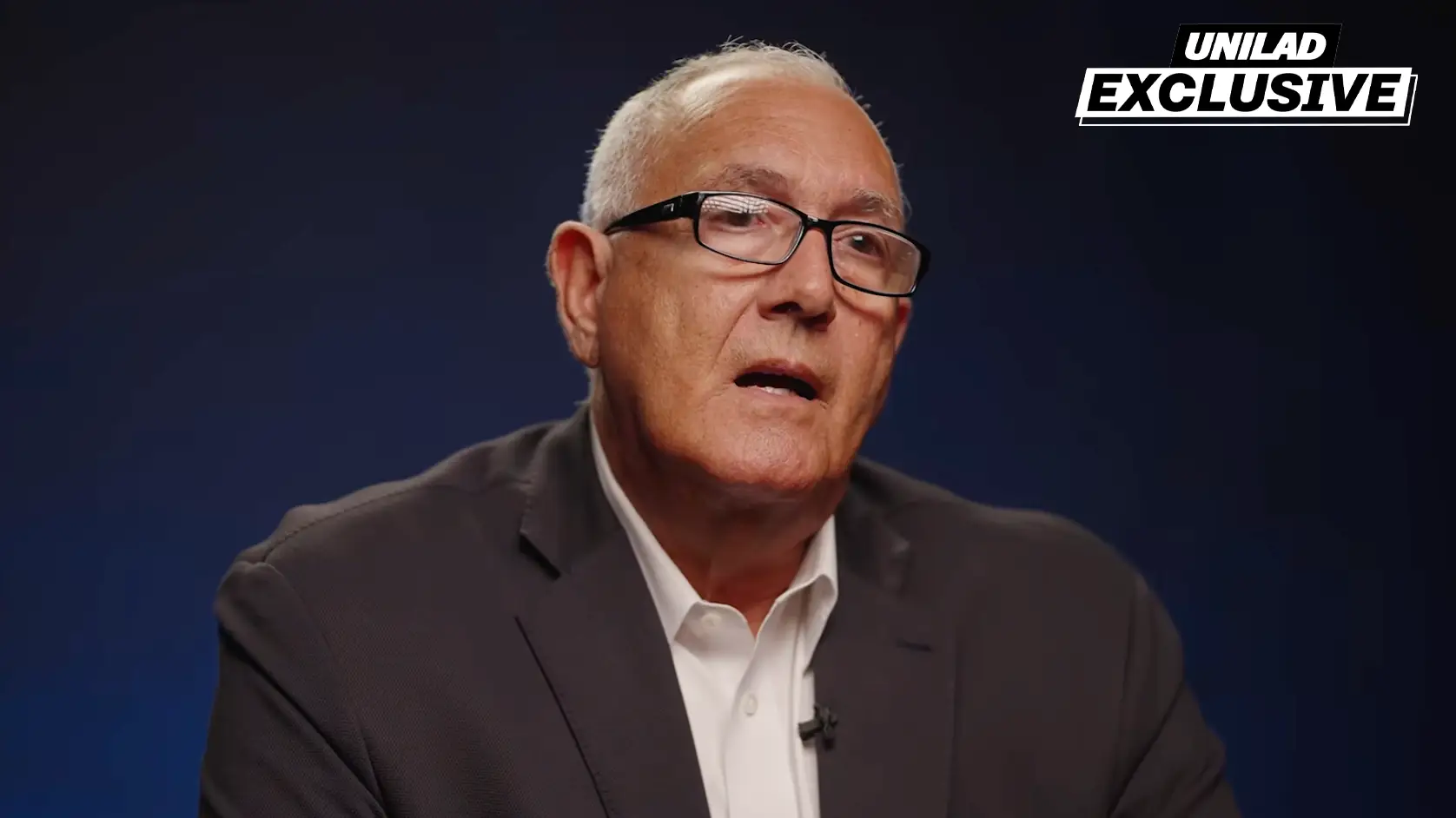
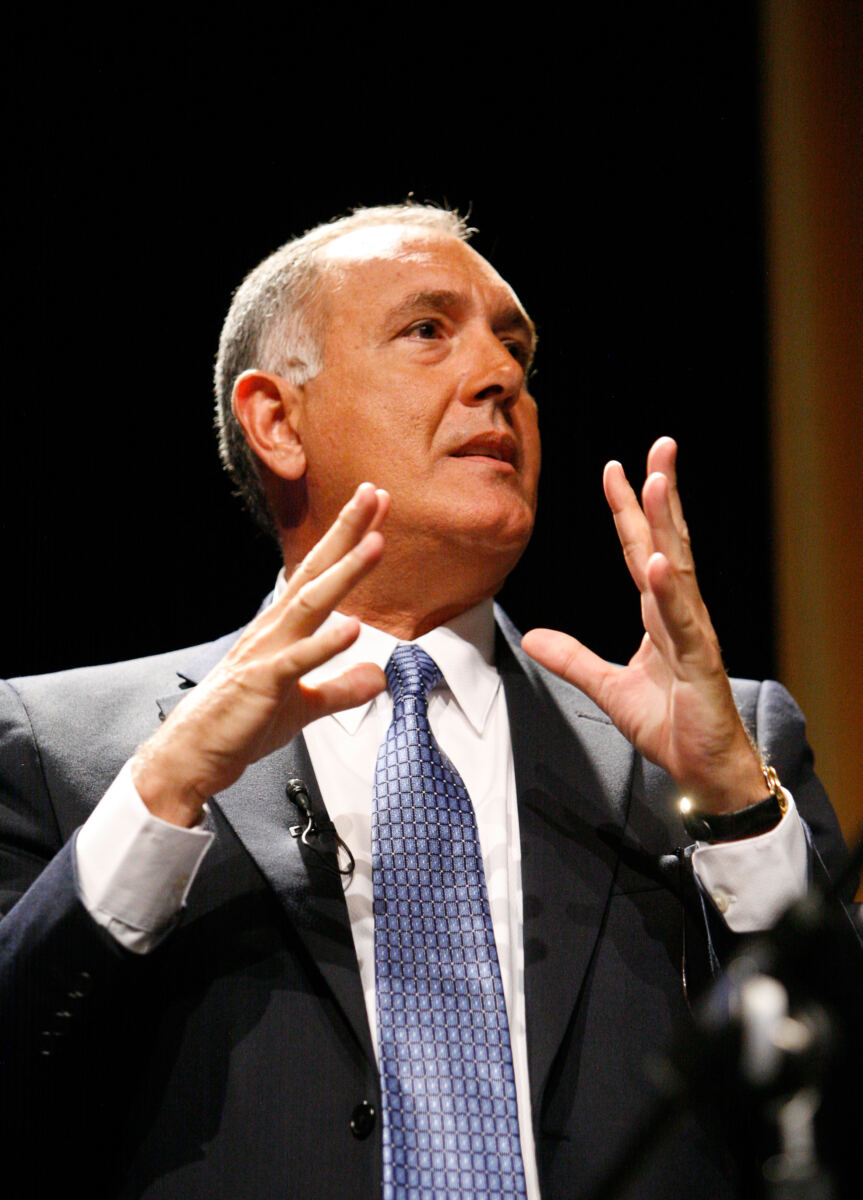
The distinction matters because stress signals do not equal guilt. A person may show anxiety for countless reasons unrelated to dishonesty, from fear of authority to personal trauma. Navarro’s framework shifts the focus from catching liars to recognizing when someone experiences psychological distress.
One of Navarro’s most vivid cases involved Rod Ramsey, a man initially approached as a potential witness in Germany during the 1980s. The two men were chatting casually about life in Germany when Navarro dropped a name into the conversation.
“And then out of the blue, I said, ‘um, did you know a guy by the name of, um, Clyde Lee Conrad?’ And all of a sudden his cigarette just started shaking, and, I mean, it shook like a polygraph needle,” Navarro recalled. Ramsey claimed he barely knew Conrad, and Navarro let the moment pass without confrontation.
About twenty minutes later, Navarro noticed Ramsey had grown visibly nervous, chain-smoking through their conversation. When Conrad’s name came up again, the cigarette shook once more. “It was at that point that I realized that he had some sort of connection to Clyde Conrad,” Navarro said.
What Ramsey did not know was that Conrad, a US Army non-commissioned officer, had just been arrested for selling top secret NATO war plans to Hungary from 1974 until 1988. The two men had been spying together. Navarro stressed that Ramsey’s reaction showed nervousness, not deception itself. “There isn’t one single behavior indicative of deception,” he noted, but the “nervous reaction” revealed the truth of the situation.
Navarro also recalled an early murder case where a suspect’s eyelids and chin dropped dramatically when the words “ice pick” appeared in a list of weapons. The physical response flagged guilty knowledge rather than a lie.
“Now you say, well, what were you looking for? I was looking for the reaction to the words because certain knowledge, guilty knowledge, causes significant psychological distress,” Navarro resolved. “And in this case, it did that with him.”
Navarro’s career included work on cases tied to Ted Bundy’s victims and the 9/11 attacks, experiences that shaped his forensic approach to behavioral analysis.