


The US launched strikes on Iran’s Larak Island on Sunday, the first offensive in weeks, as the regime vowed revenge.
The attack came after Iran’s Islamic Revolutionary Guard Corps were allegedly setting up another wave of underwater mines in the Strait of Hormuz, reports said. The US fired on the island in response to the perceived threat to the critical shipping lane.
The Islamic Revolutionary Guard Corps confirmed the strike. The group acknowledged that the attack had reportedly killed and wounded several people, but did not provide further details about casualties or damage.

Tensions have flared repeatedly around the Strait of Hormuz, through which roughly one-fifth of global oil shipments pass. Iranian forces have previously been accused of mining the waterway and harassing commercial vessels. The US has maintained a naval presence in the region to protect shipping traffic.
The Sunday strike broke a weeks-long pause in direct US offensive operations against Iranian targets. Iranian leaders had spent recent days projecting defiance and threatening retaliation against American and Israeli interests following the killing of former supreme leader Ayatollah Ali Khamenei.
Iran’s new leadership, now headed by Ayatollah Khamenei’s successor, has vowed to keep the Strait of Hormuz closed and to avenge the previous killing. The IRGC, which operates independently of Iran’s regular military and answers directly to the supreme leader, has been at the forefront of these threats.
The group pledged “ferocious” retaliation against both the US and Israel in statements following the transition in leadership. Sunday’s mining operation, if confirmed, would represent an early test of that defiant posture.
US Central Command had warned that “the regime was warned” ahead of the Larak Island strikes, according to subsequent reports. The operation appeared designed to preempt any closure of the strait rather than to escalate into broader conflict.
Iranian officials did not immediately specify how they would respond to this latest attack. The IRGC’s confirmation of casualties without additional detail suggested the group was still assessing the situation.
The Strait of Hormuz has long been a flashpoint between Tehran and Washington. Iranian forces have seized tankers, downed drones, and attacked shipping in the area over previous years of confrontation. The US has typically responded with shows of force and, occasionally, targeted strikes.
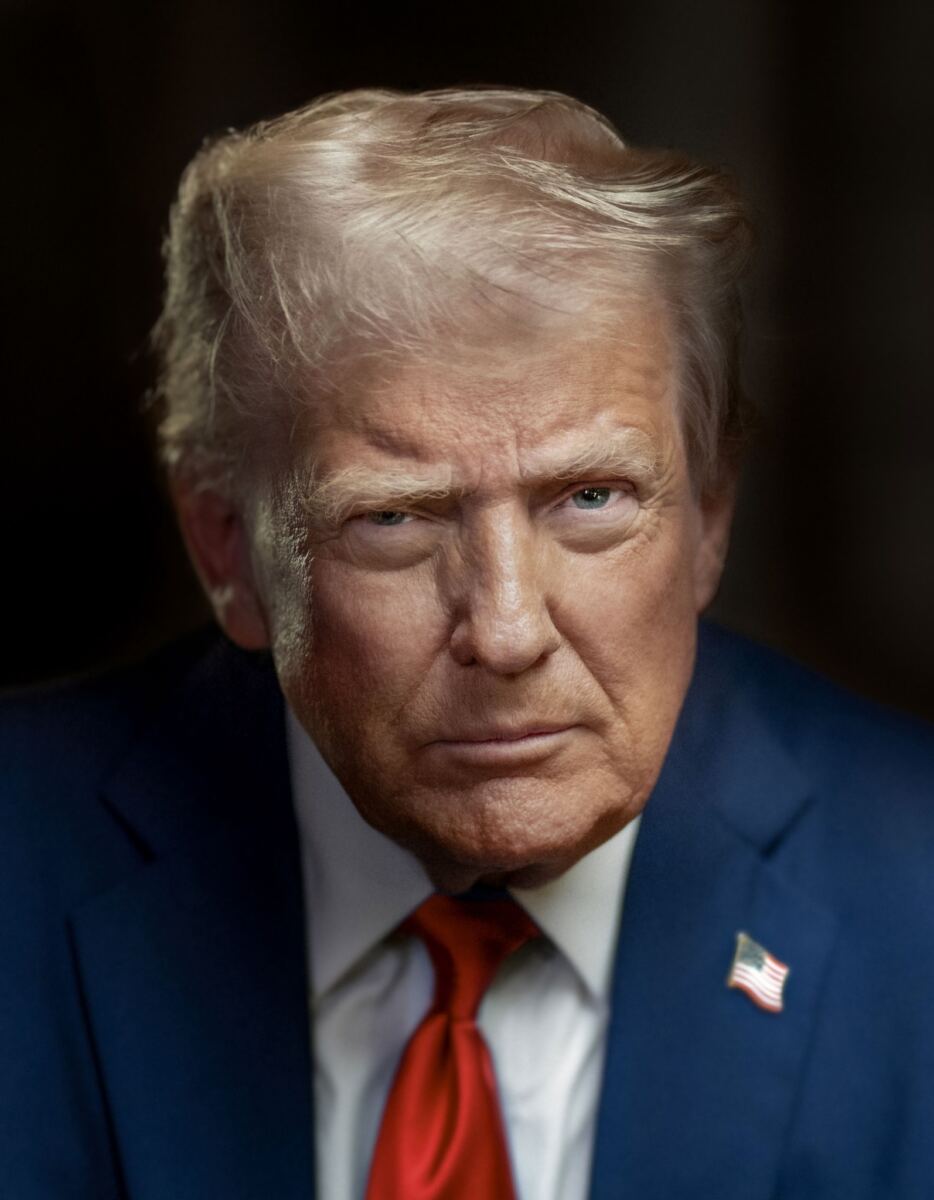
President Trump has signaled openness to talks with Iran’s new leadership even as military exchanges continue. The administration has simultaneously pursued a pressure campaign combining economic sanctions with the threat of further force.
The IRGC’s role in Iranian foreign policy has grown as conventional diplomatic channels have narrowed. The paramilitary force controls substantial economic assets inside Iran and directs proxy militias across the Middle East.
US and Israeli forces have conducted coordinated strikes against Iranian targets in recent weeks, hitting nuclear facilities, military bases, and command centers. The campaign has degraded Iran’s conventional capabilities even as its leadership promises asymmetric responses.
The mining allegations echoed previous incidents in which limpet mines damaged tankers near the strait. The US had attributed those attacks to Iranian forces, though Tehran denied involvement.
No American casualties were reported from Sunday’s operation. The full extent of damage on Larak Island remained unclear as both sides traded accusations and threats.