

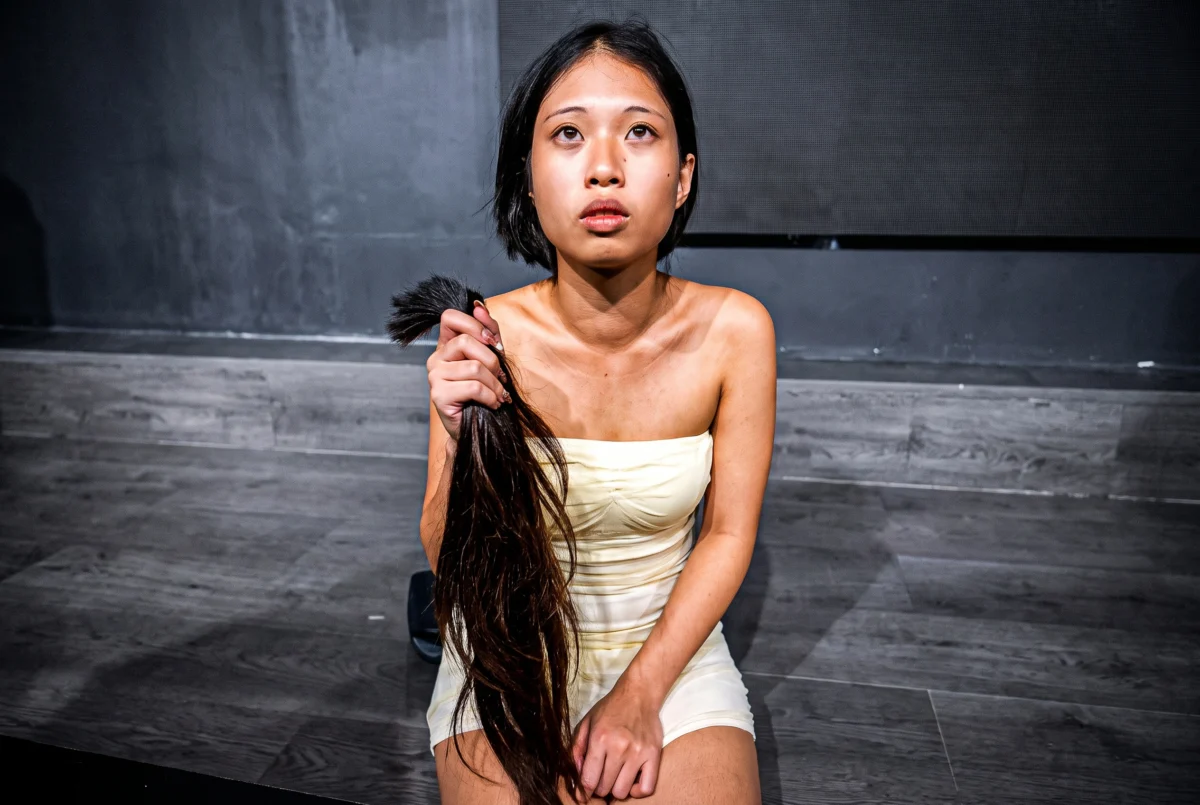
A bartender in Bangkok shaved an 18-year-old woman’s head on camera after she allegedly tried to flee without paying a massive bar tab.
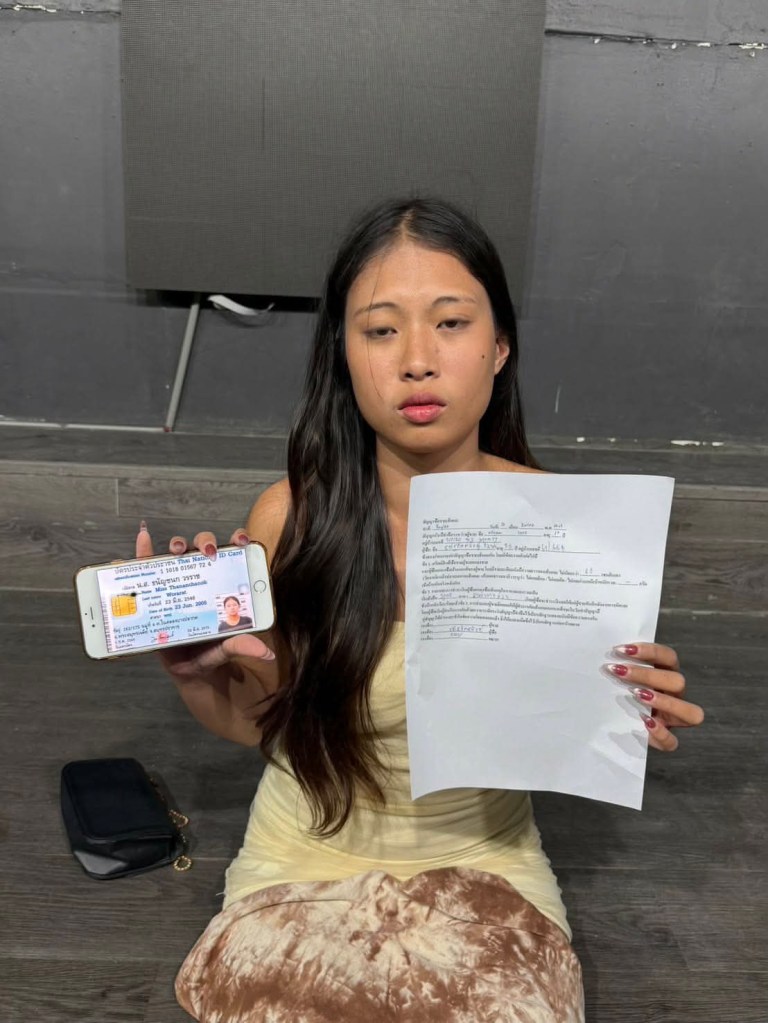
The incident unfolded August 25 at a popular nightclub in the Pinklao district when the teen, reportedly a serial dine-and-dasher known for skipping bills at local clubs and restaurants, racked up a 60,000 baht tab — roughly $1,812 USD. Staffers say she used a fake ID to gain entry, then attempted to slip out unnoticed. Cornered by employees, she was presented with an ultimatum: pay up, face police, or submit to a forcible haircut.
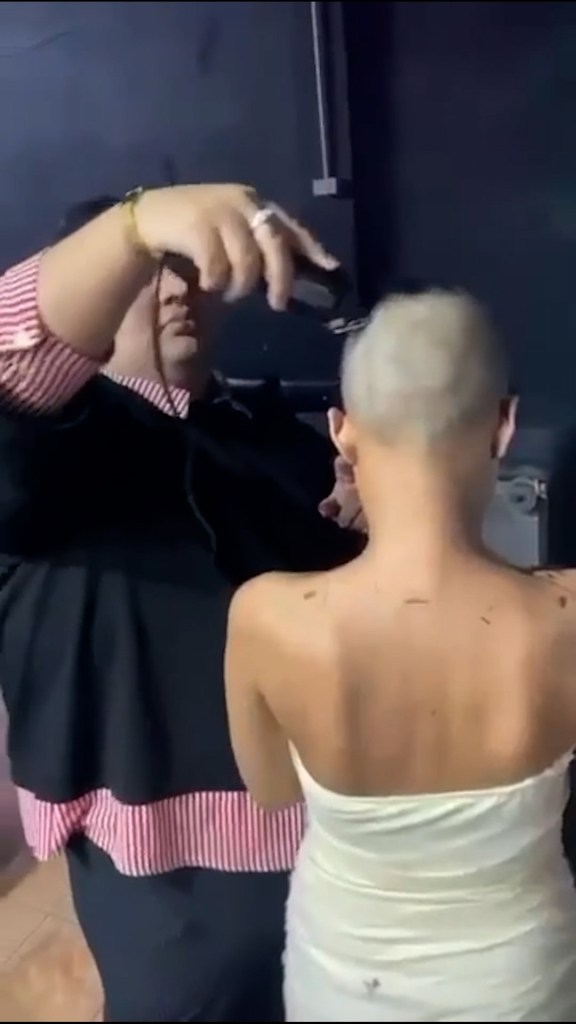
Footage of the punishment shows the young woman in a strapless white dress as a man behind the camera narrates the proceedings in Thai. “I am not taking advantage of you. This is the market rate. I will attach this for you. I am adding extra for this as well. Okay?” he can be heard saying. The bartender then shears off her thick, shoulder-length hair with an electric razor while the teenager sits motionless. The locks were allegedly collected for donation.
The bar’s management later reached out to Chalida ‘Ton Or’ Phalamat, founder of Thailand’s Be One Foundation, a non-governmental organization focused on child abuse cases. “They contacted me to apologise and admitted that the manager had acted out of anger and impulsiveness,” she said. The foundation head added that the venue promised to contact the victim’s family to discuss compensation.
Chalida has emerged as one of the incident’s most vocal critics, arguing that the so-called “hair purchase contract” shown in the video carries no legal weight. “I sympathise with them and understand that they need to make a profit, but the way they handled this was clearly unlawful,” she stated. “A hair purchase contract made under duress is void, and shaving someone’s head against their will can amount to assault, coercion and unlawful detention.”
The case has now drawn official scrutiny. Thailand’s Ministry of Social Development and Human Security has been asked to launch an investigation, Chalida confirmed, as she pressed business owners to resist taking matters into their own hands. Her warning against “mob rule over the law” underscores a broader pattern of extrajudicial public shaming that has surfaced repeatedly in the capital.
That same impulse toward vigilante justice was on display just months earlier, three kilometers across town. On May 10, Abdulloh, a gay man also known as Madam Loh, was forced to shave his head in Bangkok after making comments that mocked Islamic verses, enraging local Muslims. A crowd confronted him during a nearly three-hour standoff before Police Colonel Jetsada Yangnok intervened to mediate. Abdulloh apologized and was escorted to Wang Thonglang Police Station for his own protection.

The August bar incident has split Thai social media, with some commenters defending the establishment’s creative solution to chronic theft while others condemned the public degradation of a teenager. The video’s framing — complete with a mock contract and running commentary about market rates for human hair — has drawn particular revulsion from human rights observers who note the performative nature of the punishment.
Chalida’s foundation continues to monitor the case as authorities weigh whether charges against the bar staff are warranted. The teenager’s family has not spoken publicly, and her current whereabouts remain unknown.
Thailand’s Ministry of Social Development and Human Security is expected to proceed with its investigation in the coming days.