

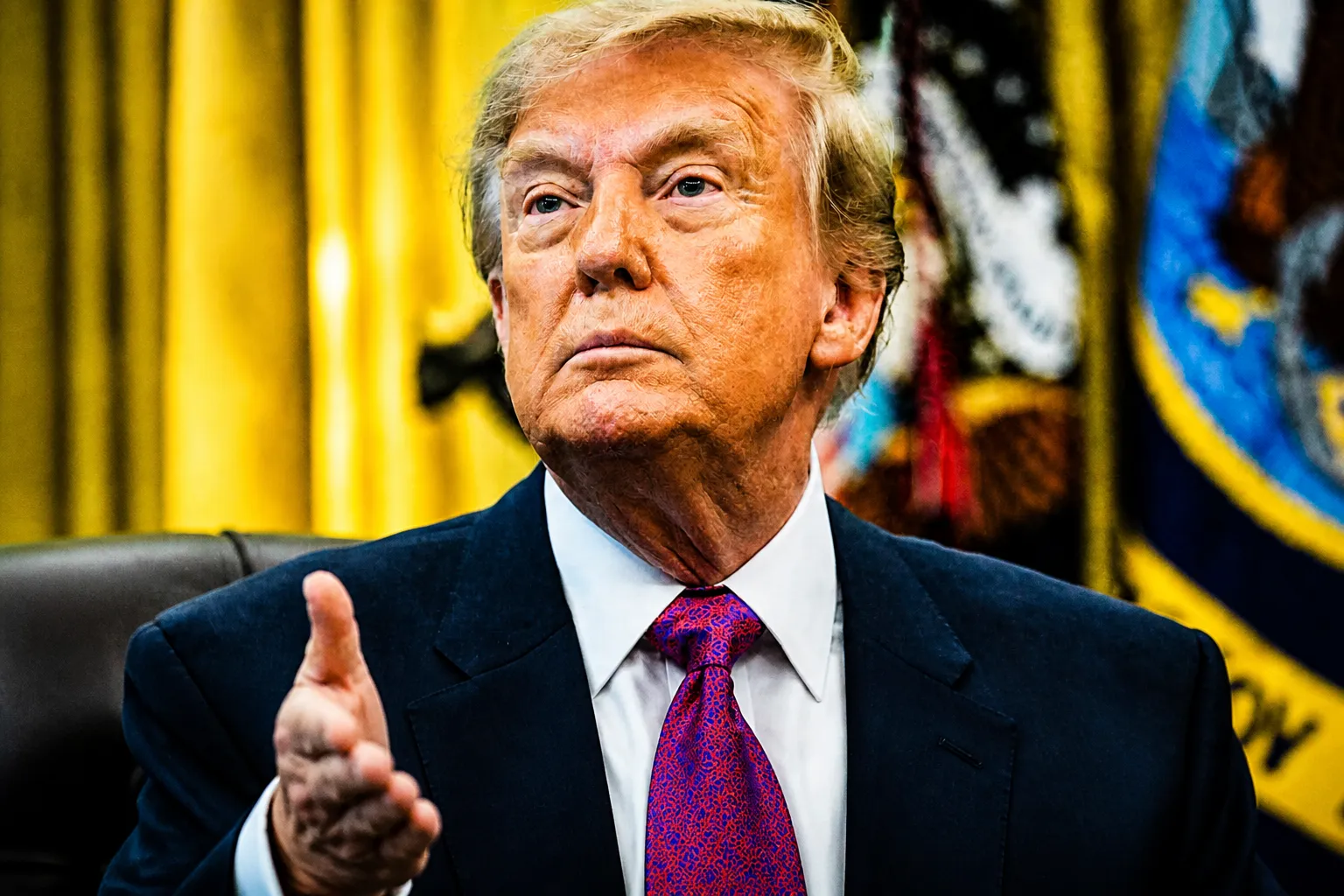
Donald Trump has urged Canadian companies to relocate to the United States to escape mounting cross-border tariffs.
The president, 80, issued the call on Truth Social on August 30 as Ottawa prepared $20 billion in retaliatory measures set to take effect September 8. His message targeted firms he claimed had fled America during previous Democratic administrations, offering tariff-free access as an incentive for their return.
“Let all Canadian Companies that are doing business with America move to the United States, immediately,” he wrote on the platform.
Trump continued his attack on past leadership: “Many of them are Companies that moved out years ago due to stupid U.S. Leadership. When you move back, there are no TARIFFS!”
The president has already imposed 50 percent tariffs on Canadian goods and warned of further hikes on cars, trucks, automotive parts, and steel beginning January 2027. His administration’s broader trade offensive has extended beyond North America, with recent reports indicating reduced tariffs on India alongside demands for ending Russian oil purchases.
Dr. Eric Golson, an economic warfare specialist and Associate Professor of Economics at the University of Surrey, offered a stark assessment of the North American standoff. There are “two ways of looking at this mess,” he said.
“The first – we are entering a trade spiral, where hard-nosed adversaries (who were once very good friends) will keep adding tariffs to each others’ products, with trade volumes ultimately significantly reduced,” he said.
Golson drew a historical parallel that underscored the risks: “One of the triggers of the Great Depression was a high American tariff with close trading partners which set off a trade war; there are lots of parallels here with a global economy which already feels very shaky.”
The economist also outlined a political scenario that could force Trump’s hand. “Faced with midterms, a lot of bad press and a view by most Americans that the trade war is only raising their prices, Trump will likely choose to back down with the Canadians and claim it as a win to lower consumer prices,” he suggested.
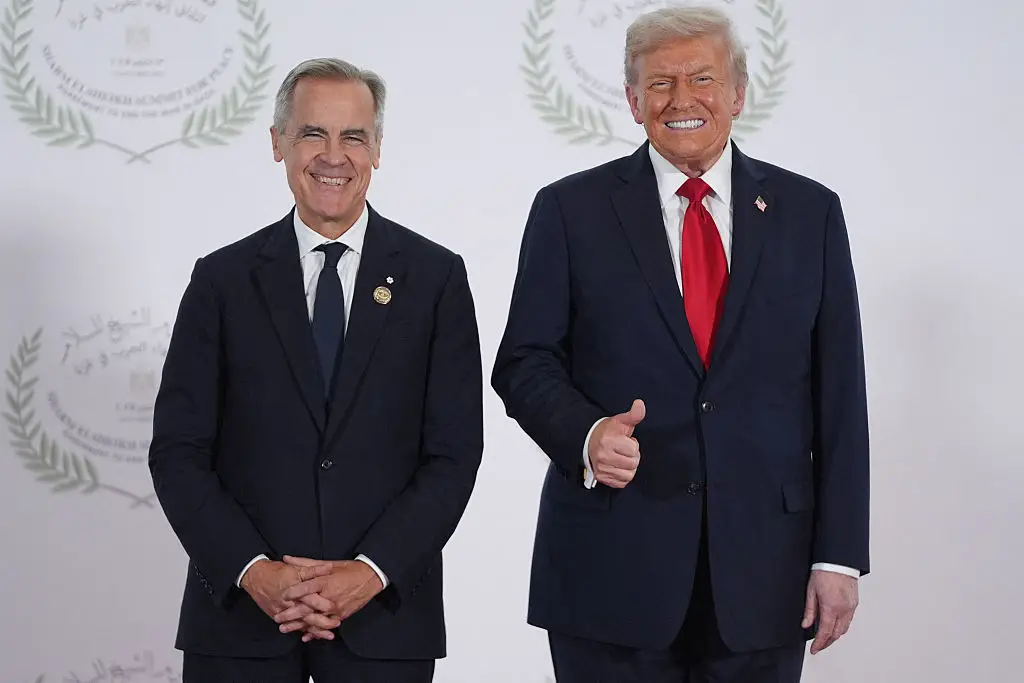
Canadian Prime Minister Mark Carney has positioned himself as a leading international counterweight to Trump’s trade policies, with recent coverage highlighting his emergence on the global stage amid the dispute. Provincial leaders have largely rallied behind federal retaliatory measures following a premiers’ meeting convened to address the crisis.
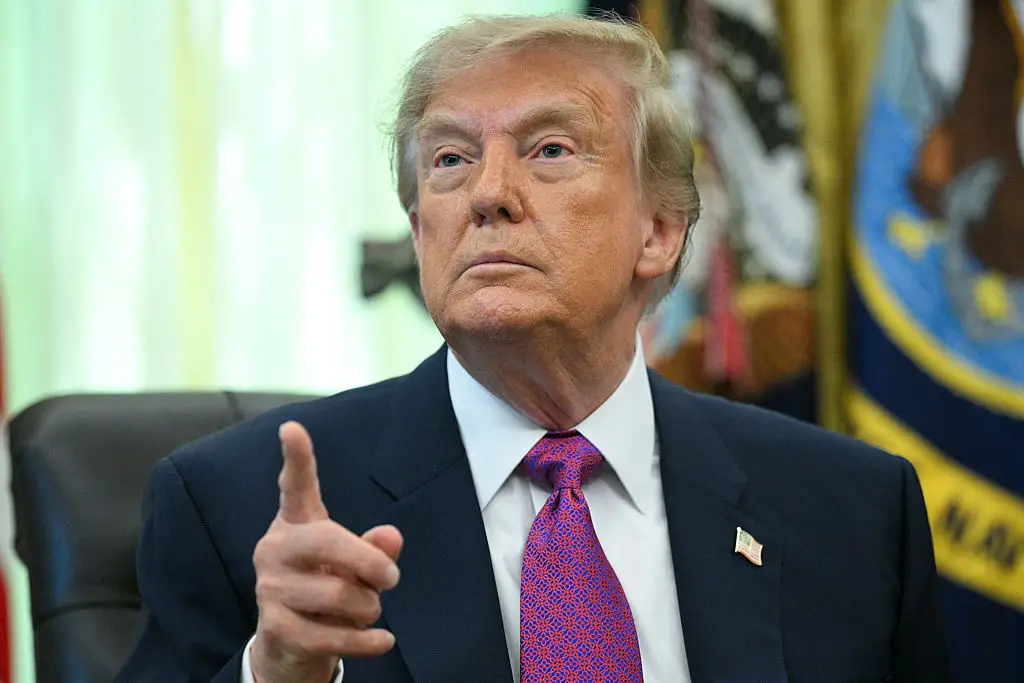
Beyond the tariff battle, Trump has pursued a symbolic provocation against Canada through an executive order renaming Lake Ontario as “Lake America.” The move has generated significant backlash among Canadians and added a cultural dimension to the economic confrontation.
The escalating dispute follows years of periodic trade friction between the neighboring countries, though the current round represents an unprecedented combination of punitive duties, public demands for corporate relocation, and territorial renaming. Previous administrations had generally sought to maintain integrated North American supply chains, particularly in automotive manufacturing.
Trump’s reference to companies that “moved out years ago” appeared to invoke departures during the Biden and Obama administrations, framing his tariff policy as corrective action rather than escalation. The president’s mid-August timing for the relocation demand came as both nations braced for the September implementation of Canada’s countermeasures.
The tariff structure threatens to disrupt deeply intertwined manufacturing relationships, with automotive supply chains particularly exposed to cross-border cost increases. Consumer prices on both sides of the border face upward pressure as duties compound through production networks.
Trump’s next major tariff escalation on Canadian automotive and steel products is scheduled for January 2027.