


Abdal Alvi, Chief Clinical Officer at Simple Online Pharmacy, has issued an urgent warning against purchasing retatrutide, the experimental weight-loss drug nicknamed the “Godzilla shot,” as unregulated sellers continue to promote it across social media and fitness forums.
The medication, often shortened to “reta” online, has gained traction in bodybuilding communities where fitness influencers have praised it as a “fat-loss peptide” or “cutting” aid, some even sharing discount codes or directing followers to specific online sellers. No medicine containing retatrutide has been approved for public use by the MHRA or any other regulator worldwide, meaning any “reta” currently available is sold entirely outside official medicines supply chains.
“The clinical findings have understandably created considerable excitement, but promising trial results are not the same as regulatory approval,” Alvi said.
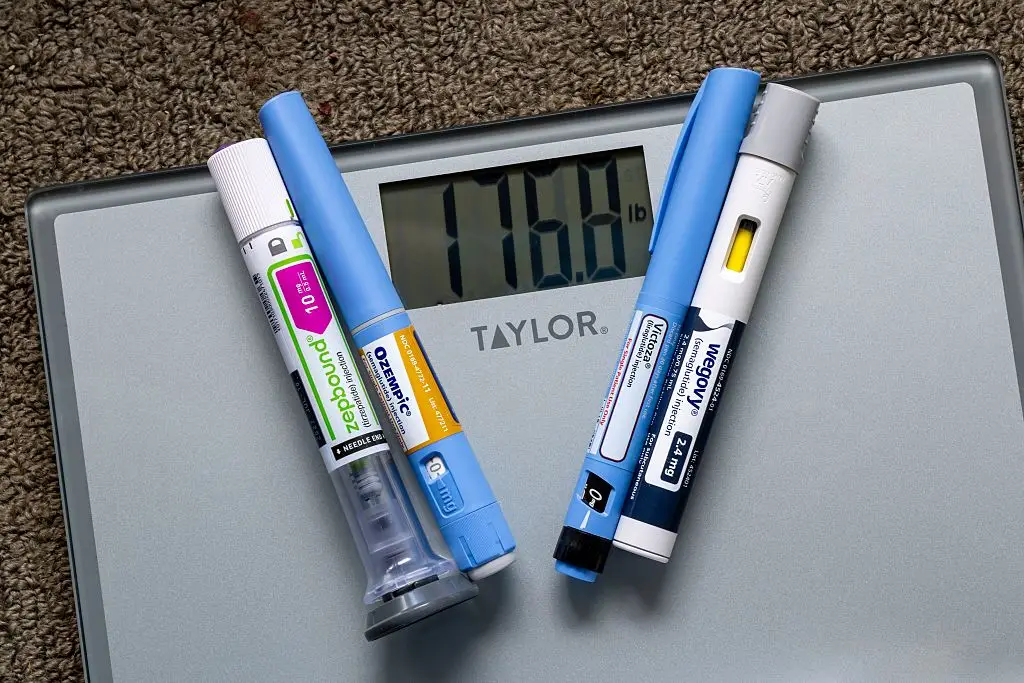
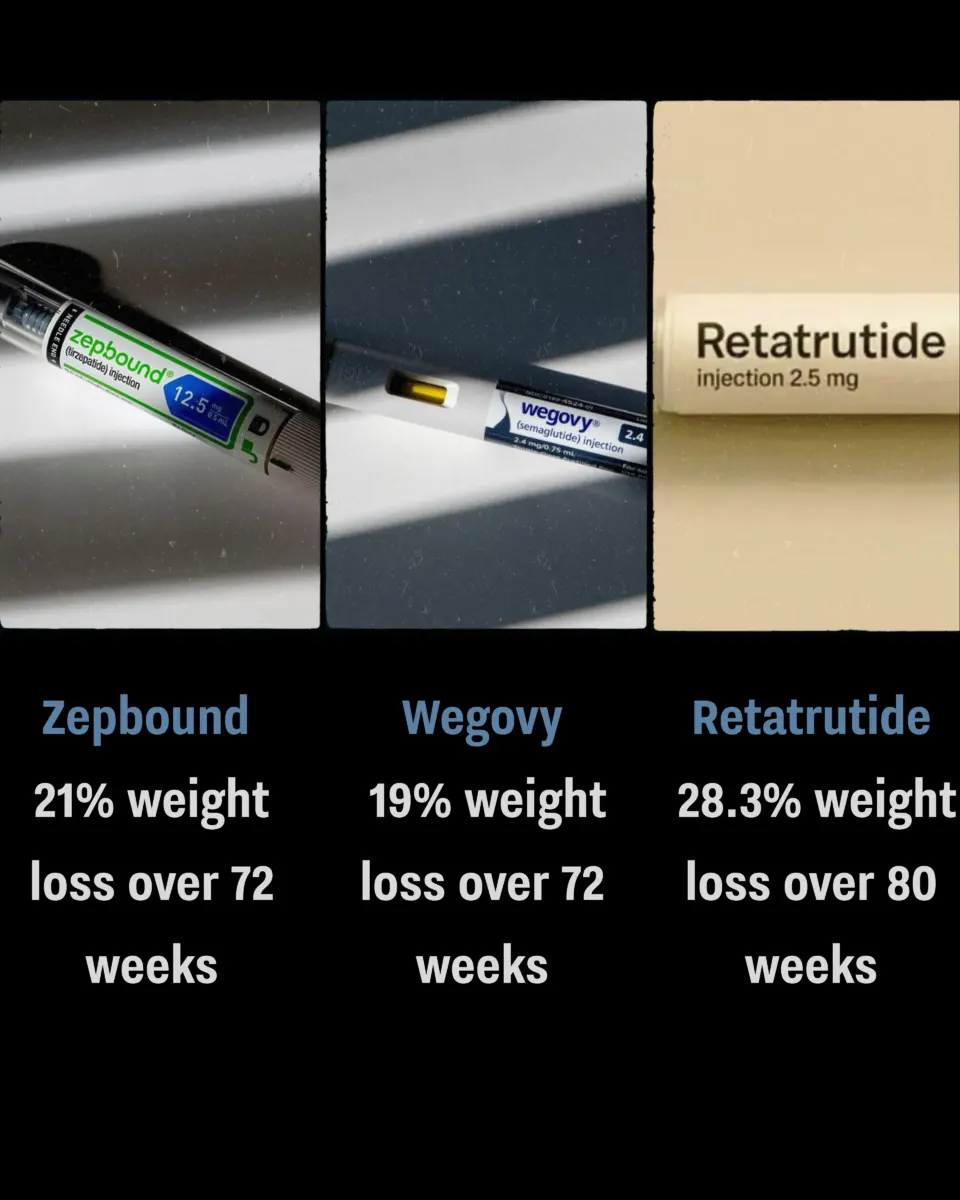
Retatrutide has attracted intense interest because early clinical trials suggested it could produce greater weight loss than existing treatments, including Ozempic and Mounjaro. The once-weekly injection acts on three hormone receptors — GIP, GLP-1 and glucagon — leading to its unofficial “triple G” nickname. Eli Lilly, the pharmaceutical company behind retatrutide, states that genuine retatrutide is currently available only to people enrolled in its authorised clinical trials.
“Retatrutide is still being formally studied,” Alvi continued. “Any website or social media account claiming it can currently sell the treatment to members of the public should immediately raise alarm bells.”
Despite this, products claiming to contain the medicine are being advertised through websites and social media accounts, with sellers using labels such as “research use only” or “not for human consumption.” The US Food and Drug Administration has specifically warned consumers not to purchase supposed retatrutide products carrying such descriptions, stating their quality is unknown and they may be harmful.
Users on Reddit have complained about significant side effects from retatrutide, including negative impacts on their mental health.
“‘Research use only’ does not mean the product is a legitimate medicine that happens to be available early,” Alvi explained. “It means it has not been supplied as an approved treatment for a patient.”
Alvi emphasized the dangers of unregulated products: “Consumers have no reliable way of knowing what is inside an unregulated vial. It may contain too much or too little of the claimed ingredient, a different substance entirely or contaminants introduced during manufacturing, storage or delivery.”


Social media platform TikTok prohibits users from buying, selling, marketing or providing access to regulated, prohibited or high-risk goods and services such as retatrutide, though investigations have found sellers and promoters attempting to evade platform rules. “Reta” continues to circulate on social media and in fitness communities, often under coded descriptions such as “research peptide” or “research chemical,” while discussions about obtaining and using the injections can move into private messaging groups.
“Prescription weight-loss treatment should never begin with a direct message, a bank transfer or a seller promising to post an injectable product without asking about your medical history,” Alvi added.
He advised that legitimate providers use regulated medication, verify suitability, ensure qualified prescribers assess patients, and maintain visible GPhC registration on their websites. “Ongoing clinician support, to help with questions, concerns, side effects or personalising your titration pathway, isn’t something you can get from an unregulated seller, but can make all the difference to a patient’s treatment journey.”
Alvi also clarified why regulatory approval remains essential. Clinical trials assess not only whether a medication helps with weight loss, but also examine side effects, dosing, interactions with other medicines, and whether benefits continue to outweigh risks across different patient groups. Regulators then scrutinise this evidence before authorising treatments and setting prescription conditions.
“Skipping this process means skipping the safeguards designed to protect patients,” Alvi said. “Even approved weight-loss medicines can cause side effects and are not suitable for everyone.”
He concluded: “With an unknown product, the risk is greater because the patient may not know what they have taken or how strong it is. That can also make it much harder for healthcare professionals to treat them if something goes wrong.”
People who believe they have purchased an illegal medicine should not use it, and anyone who has already used a suspected illegal or unapproved product and feels unwell should seek medical advice, explaining exactly what was taken and where it came from.
“Retatrutide may eventually become an important obesity treatment, but that decision belongs to regulators once the necessary evidence has been assessed,” Alvi shared. “For now, the message is straightforward: there is no legitimate retatrutide available for members of the public to buy. If somebody is offering it, do not take the risk.”
Retatrutide is not the only weight-loss drug being sold outside regulatory oversight — unregulated sellers also offer versions of approved medicines such as Zepbound and Mounjaro through the “grey market.”