


Target has apologized and yanked a children’s Halloween costume from shelves after shoppers said it evoked racist minstrel imagery.
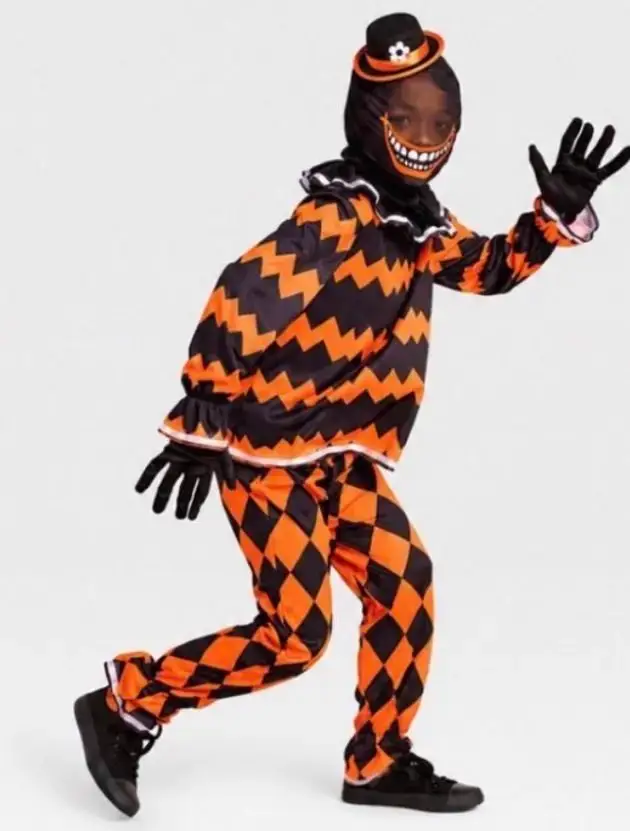
The retail giant confirmed on Monday, Aug. 24, that it stopped selling the “Kids’ Glows Under Blacklight Circus Clown Halloween Costume” once online users flagged its uncomfortable resemblance to 19th-century blackface performances. The outfit, modeled by a Black child, featured an exaggerated grinning mouthpiece, oversized orange-patterned fabric and a small black hat.
Target posted to X: “An apology from us: We pulled an offensive Halloween costume that should never have been part of our assortment.”
“It is no longer for sale. As a company, we got this wrong, and we are deeply sorry.”
Social media reaction split sharply. One user wrote: “That grin hit like a historical gut-punch, how did Target even greenlight this for kids?!”
Another posted: “I GASPED. HOW did that get past EVERY SINGLE PERSON in the process???”
Not all commenters saw the connection. An international user wrote: “As someone from outside the US, I don’t see any resemblance between the costume and that Jim Crow drawing. Is there some historic racist reference I’m missing?”
Someone else offered a different interpretation entirely, describing it as “part harlequin, part Protestant Irish, and part creeper grin.”
Target expanded on its apology, adding: “We know this is especially hurtful for our Black guests, team members and partners. Removing the costume is an important first step, and the company is looking closely at how this happened and what needs to change to ensure this won’t happen again.”
Minneapolis business leader Sheletta Brundidge said she traces the misstep to Target scaling back its diversity, equity and inclusion programs in 2025. “You rolled back diversity, so who’s in the room, now, to say ‘hey, this is wrong?'” she said.
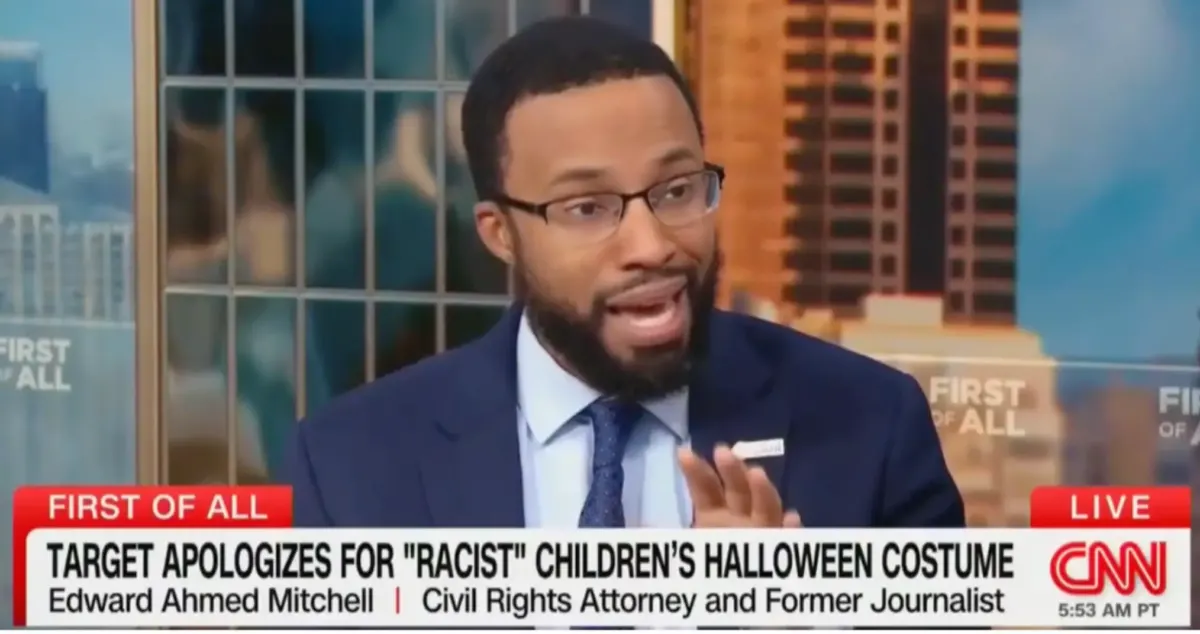
Civil rights attorney Edward Ahmed Mitchell, national deputy director of CAIR, made a parallel argument during an appearance on CNN’s “First of All” with Victor Blackwell. He called the costume a direct “result” of Target dropping its DEI programs under pressure from President Donald Trump’s administration.
“The fact that no one in Target saw that image and said this is a bad idea, that it got all the way to being sold, indicates a failure within Target,” he said. “And that’s why there’s value in having diversity in corporations, there’s value in having these programs, to make sure you’re understanding the sensitivities. Because that – that is unacceptable.”
Mitchell went further, arguing the controversy shouldn’t have required diversity training to prevent. “It’s unfortunate that you even need diversity to catch this. White people have been taught, and we’ve had a discourse about what’s racist and what’s inappropriate for a long, long, long time,” he continued. “They should know that this is inappropriate.”
The costume uproar compounds existing pressure on Target from immigration activists. Last week, the American Federation of Teachers called for a boycott ahead of the back-to-school season, citing what it called Target’s failure to condemn Immigration and Customs Enforcement operations nationwide.
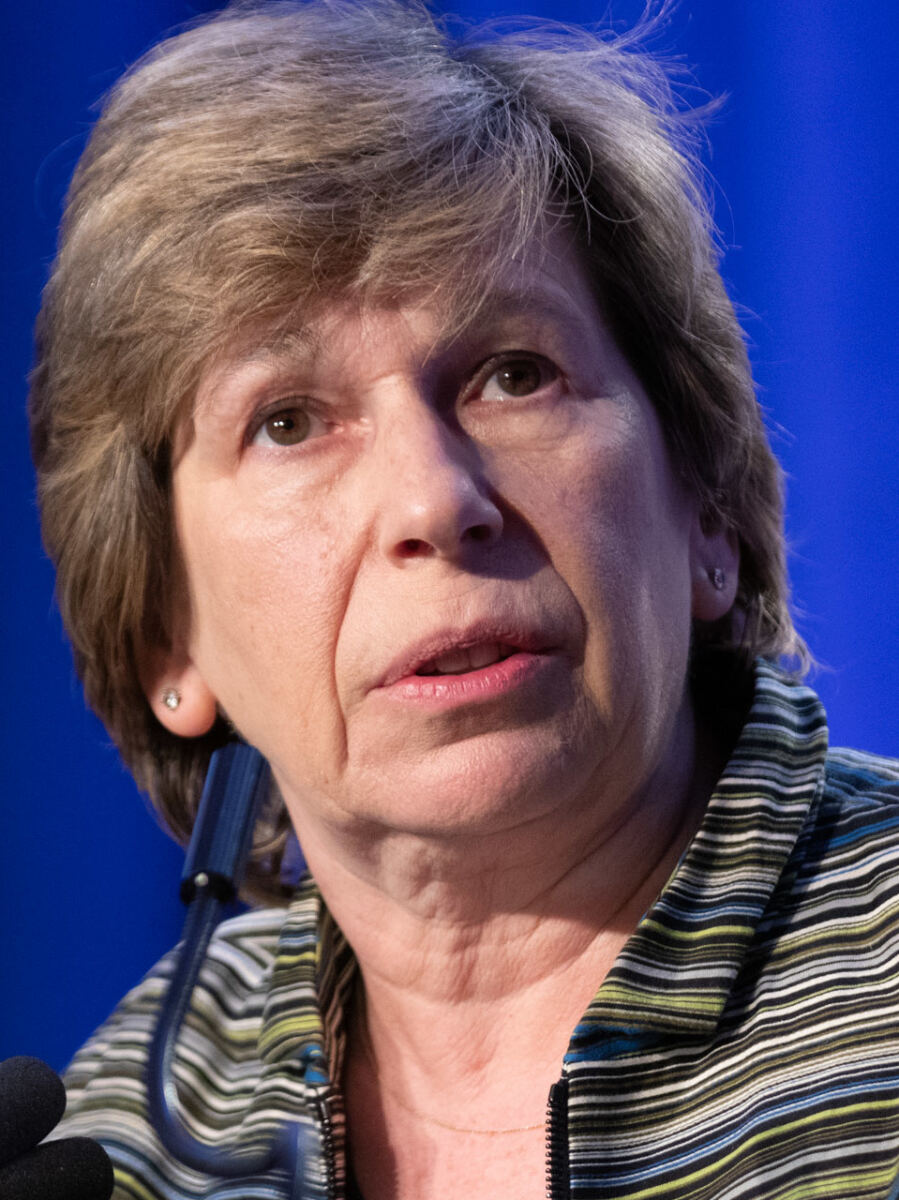
AFT President Randi Weingarten said in a statement: “Seven months since the murders of Alex Pretti and Renée Good, masked ICE agents are still in our streets, our schools and our communities, terrorizing families in the name of Donald Trump’s illegal and immoral assault on immigrants striving for their American Dream.”
“That’s why we’re urging our members to avoid Target and patronize more ethical shopping alternatives this back-to-school season,” she added.
The clown costume had featured an exaggerated grinning mouthpiece, oversized orange-patterned fabric and a small black hat, with promotional images showing it modeled by a Black child. Nineteenth-century minstrel shows involved white performers wearing blackface and tattered clothing to mock enslaved Africans, and social media users quickly drew lines between that history and the outfit’s design.
Target has not announced any executive changes or additional policy shifts beyond its promised internal review.