

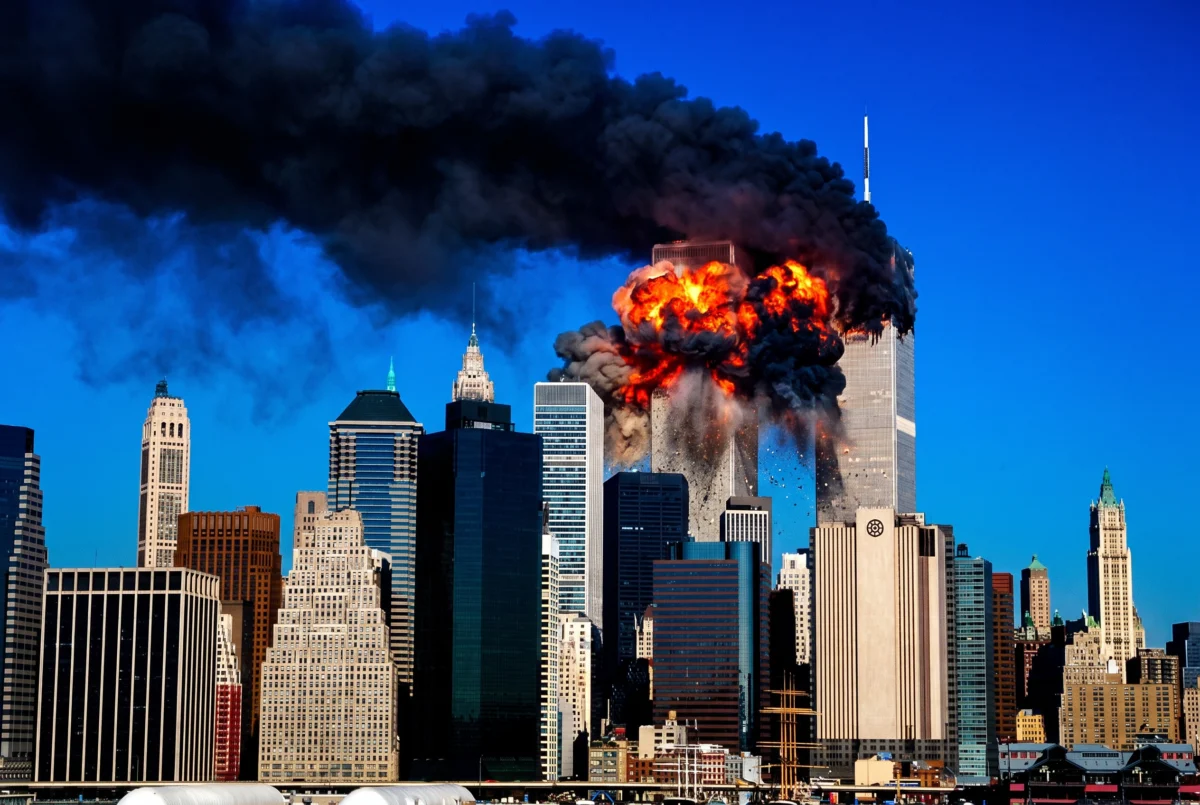
9/11 survivors have overtaken first responders in total cancer cases, new federal data shows.
The World Trade Center Health Program now counts 28,913 cancer diagnoses among survivors — people who lived, worked, or attended school near the Twin Towers — compared with 28,131 cases among emergency responders, according to figures reported. The milestone comes as the nation approaches the 25th anniversary of the September 2001 attacks.
The gap marks a stunning reversal in the epidemiology of the disaster. In 2005, just four years after the attacks, only 694 cancer cases had been documented across both groups combined. The survivor total alone now represents an increase of more than 4,000 percent over two decades.
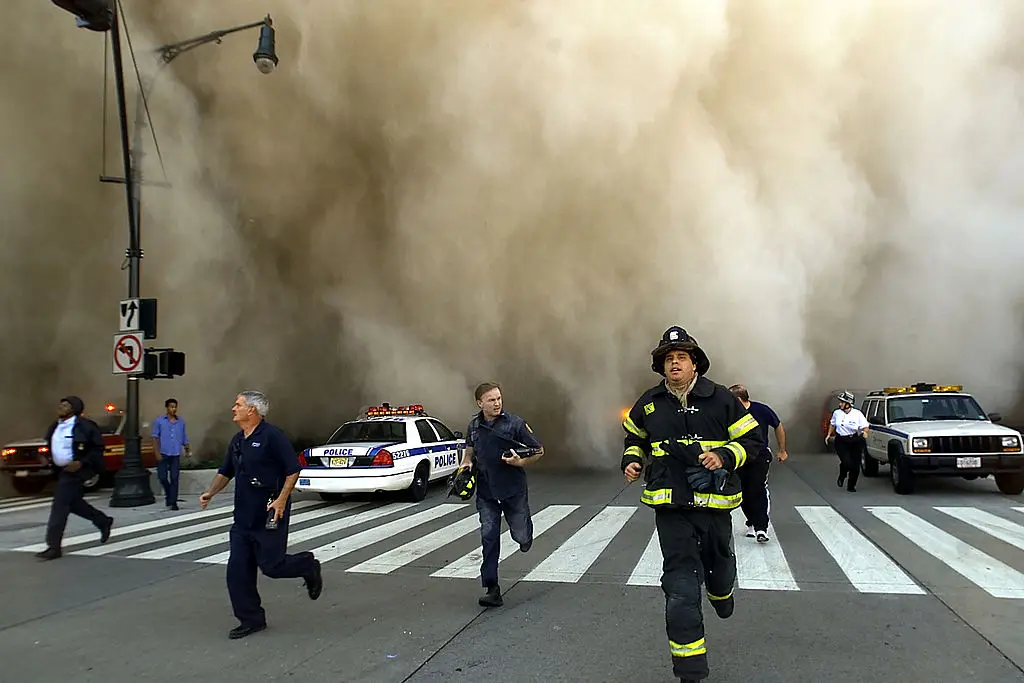
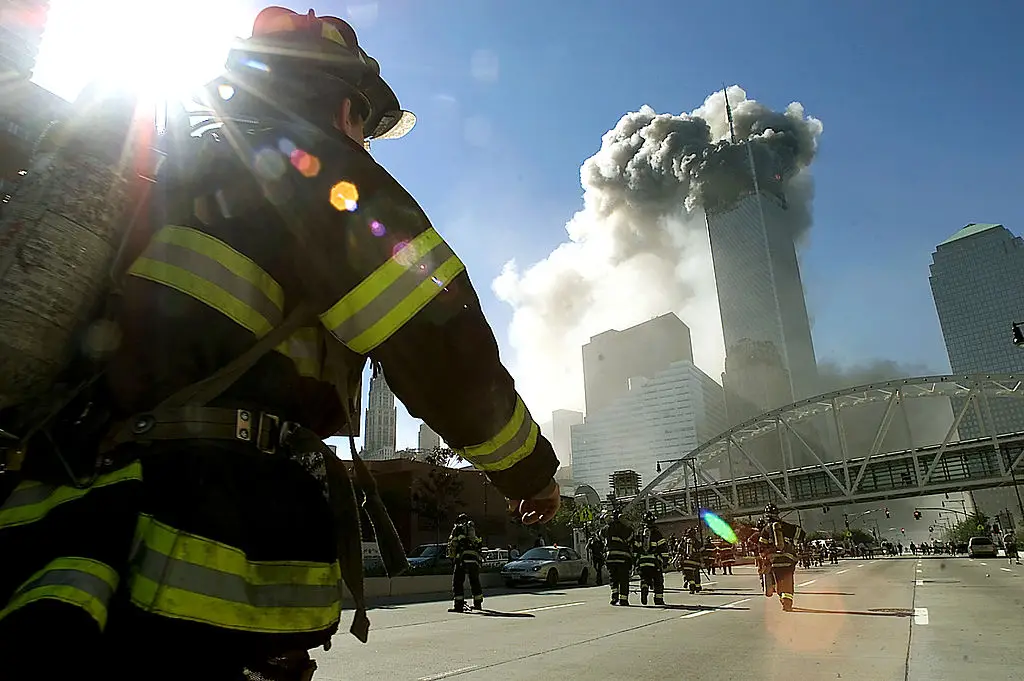
The CDC has estimated that roughly 400,000 people were exposed to toxic contaminants in the weeks and months following the collapse of the towers, which blanketed city blocks in debris, ash, and harmful particles. Responders and survivors began reporting illnesses soon after.
Among the documented cancers are rare types rarely seen in the general population. Reports said an “alarming number” of male breast cancer cases, with nearly 200 men who were exposed to the contaminated air now diagnosed with the disease. There are also more than 80 cases of thymus gland cancer, a rare form that originates in the gland behind the breastbone, according to the Cleveland Clinic.
The physical toll extends well beyond cancer. Respiratory and digestive issues rank among the most commonly reported conditions, alongside chronic inflamed sinuses. Mental health impacts have been equally severe and persistent.
NYC.gov data shows post-traumatic stress disorder is the most frequently reported mental health condition among those exposed, with 20 percent of adults directly affected by or injured in the disaster showing symptoms five to six years afterward. That rate runs four times higher than the general population. Immediately following the attacks, initial studies found that nearly 10 percent of New York City residents reported symptoms consistent with clinical depression.
The mortality picture shifted dramatically by 2021, when deaths from toxic exposures surpassed the 2,976 killed during the attacks themselves, with thousands more injured in the initial disaster.
FOX News journalist Eric Shawn added a personal face to the statistics last year when he revealed his own diagnosis. Shawn, who reported from the scene nearly 25 years ago, disclosed that he had developed respiratory problems from inhaling toxins at Ground Zero.
“I have two different diagnoses under the World Trade Center Health program,” Shawn said, referring to the federal health scheme that provides treatment to affected individuals. His diagnoses include cancer and bronchitis.
“If you were below Canal Street, basically, you were exposed to the dust. I was here reporting on it. That’s what happened with me,” he said.
“I mean, I’m very, very lucky. I think of all those who are suffering much greater… I’ve lost a few friends from this, of course.”
The health program that tracks these cases faces operational pressures even as its mission expands. Federal staffing cuts have delayed medical care for some survivors still battling health issues, according to recent reporting, while the program secured permanent funding through bipartisan legislation championed by advocates including comedian Jon Stewart and members of Congress.
The 25th commemoration of the attacks will include a seventh moment of silence, added to honor the continuing toll.