

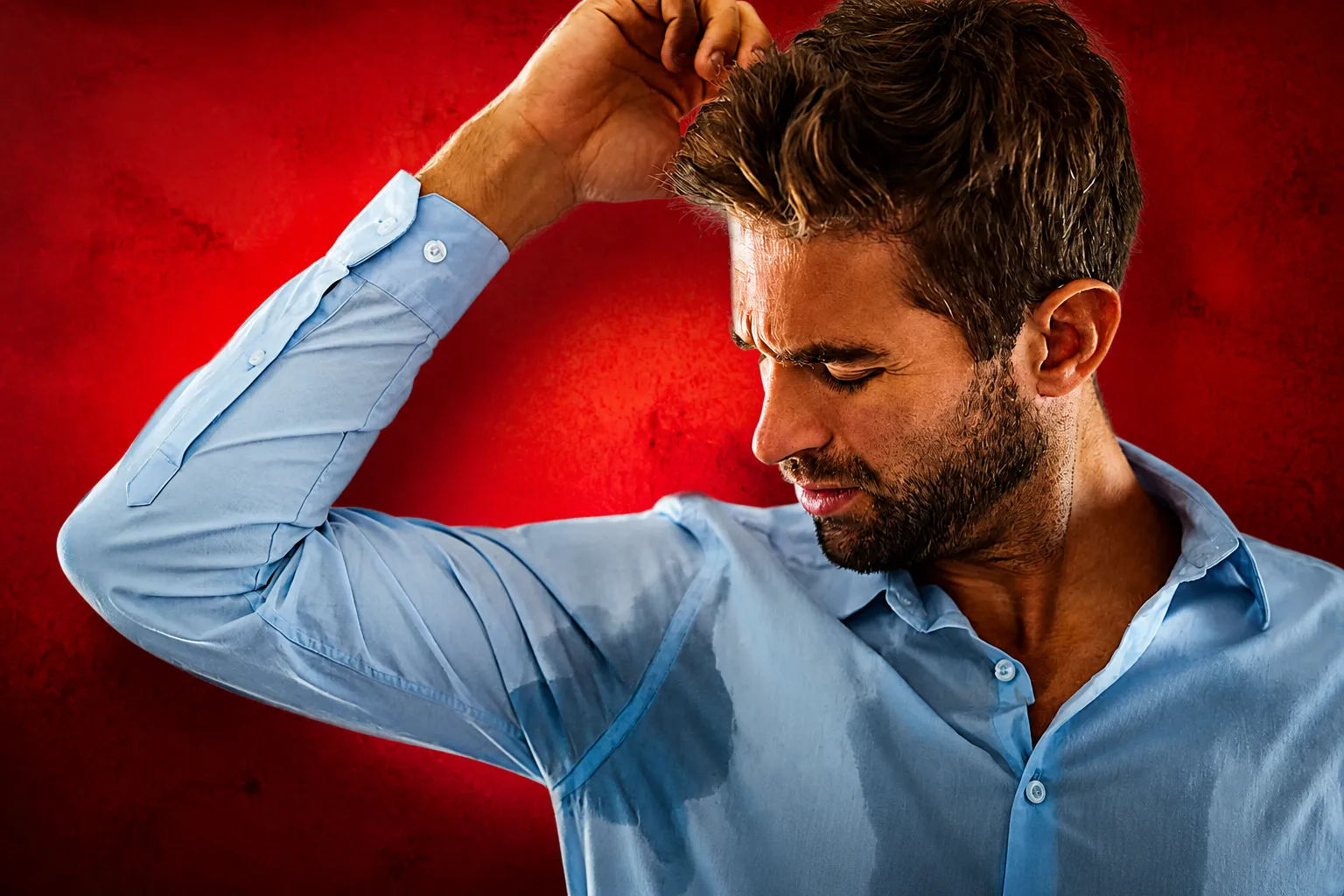
A New York dermatologist has rebranded the viral “pheromone-maxxing” trend as “bacteria-maxxing” while warning that the science behind it does not hold up.
Dr. Shereen Teymour, a board-certified dermatologist in New York, spoke about the social media phenomenon that encourages young men to skip showers, deodorant, and cologne in hopes of attracting partners through natural body odor. The trend has exploded across TikTok and other platforms in recent months, with users posting videos claiming that their unwashed smell draws more compliments and romantic interest than hygiene products ever did.
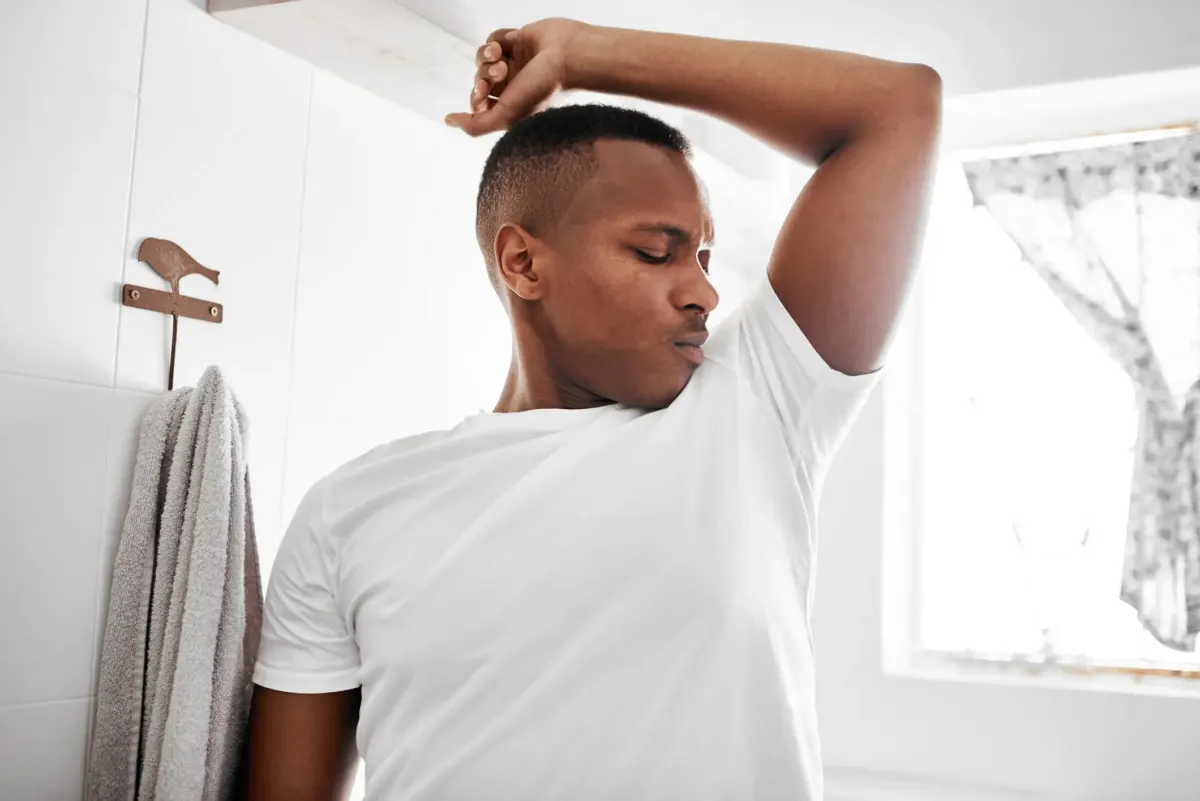
“The reason you can’t pull baddies is because you wear cologne and deodorant,” one user wrote on TikTok. Another shared: “Stopped washing my hair at all and now I unironically get more compliments on how it smells and looks – Pheromone maxxing is key.” A third claimed: “I stopped using cologne, and I’ve been getting more compliments on my disgusting onion smell than ever.”
Teymour pushed back hard against these claims. “Pheromone-maxxing takes a kernel of legitimate science – the fact that humans produce individual chemical odors and that smell can influence how we perceive other people – and stretches it into a conclusion the science doesn’t support,” the dermatologist warned.
Pamela Dalton, a psychologist at the Monell Chemical Senses Center, also weighed in on the topic with the outlet. She offered a reality check on how human scent actually functions in social situations.
“Human chemical communication does not really influence behavior in the same way that pheromones in other species do,” Dalton said. She noted that while some strong smells might register as attractive between established partners familiar with each other’s scent, such cases are rare between strangers.
The trend’s spread has fueled a parallel boom in “pheromone perfumes,” with advertisements promising to amplify natural chemical signals racking up millions of views across platforms. Whether those views translate to sales remains unclear, but the marketing has capitalized heavily on the trend’s viral momentum.
Not all online reaction has been supportive of pheromone-maxxing. On Reddit, critics pushed back against the broader “maxxing” movement and its hygiene-skipping logic. “maxxing in any form makes you incredibly unattractive to everyone,” one user wrote. Another suggested: “Honestly, make some soap and market it as pheromone maxing. Win win for everyone.” A third struck a middle ground: “I personally like ‘natural scent’ as opposed to cologne, but for heaven’s sake take a shower.”
The term “pheromone-maxxing” joins a growing lexicon of “maxxing” trends that have flooded social media feeds in recent months, each promising optimization of some aspect of appearance or behavior. What distinguishes this variation is its explicit rejection of grooming products rather than adoption of new ones.
Teymour’s “bacteria-maxxing” label underscores the medical concern that skipping basic hygiene risks skin infections, bacterial overgrowth, and other health issues rather than romantic success. The dermatologist’s framing has gained traction as a shorthand for debunking the trend among medical professionals watching it spread.