

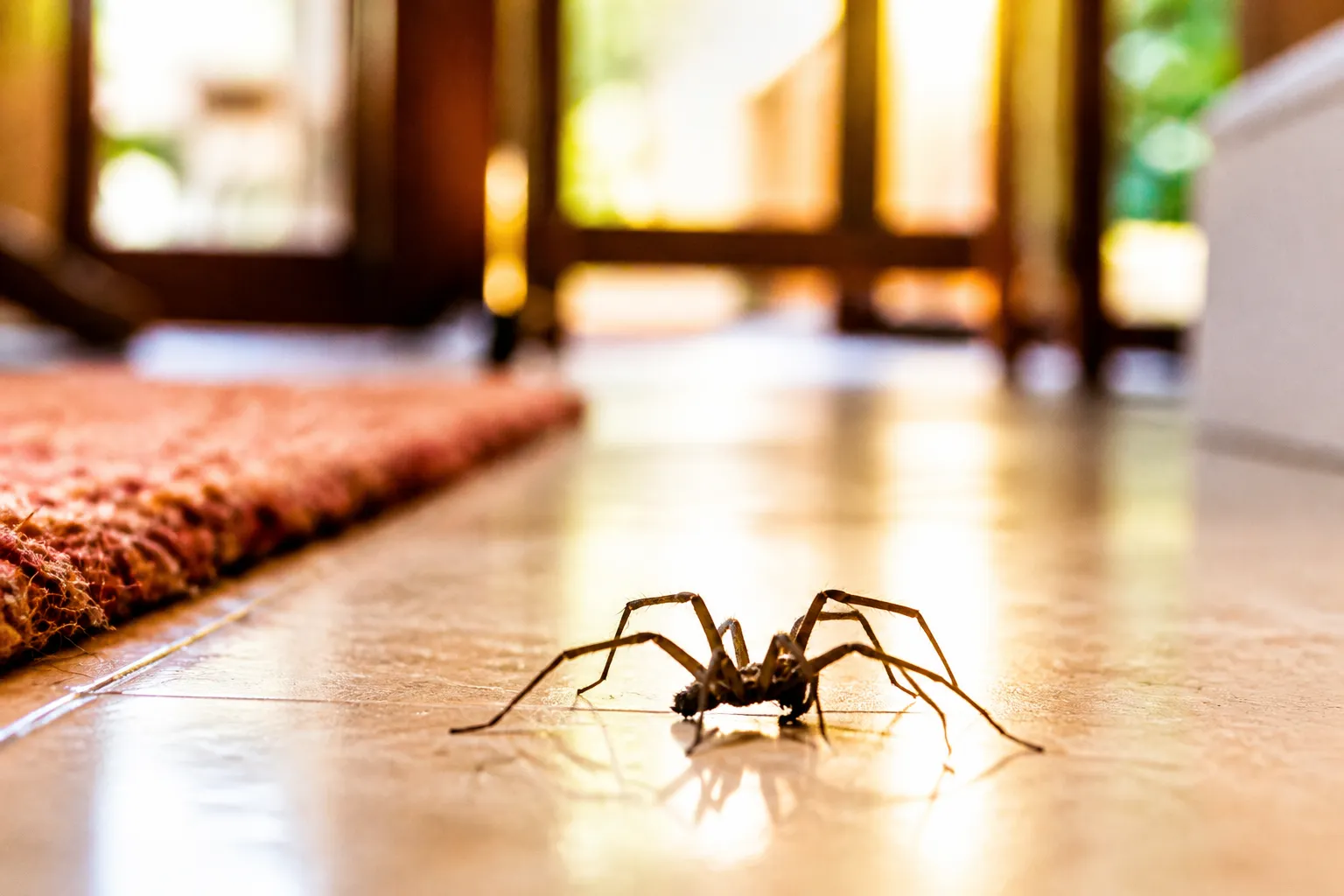
UK homeowners are being warned to prepare for an annual arachnid invasion as September kicks off spider mating season, a period that typically stretches through mid-October and sends thousands of large spiders scurrying indoors.

During these weeks, male spiders — some reaching a leg span of 10cm, roughly the size of a tennis ball — abandon their outdoor habitats and head inside in search of stationary females. The females remain in place throughout the season, making homes an increasingly crowded destination for their would-be suitors.
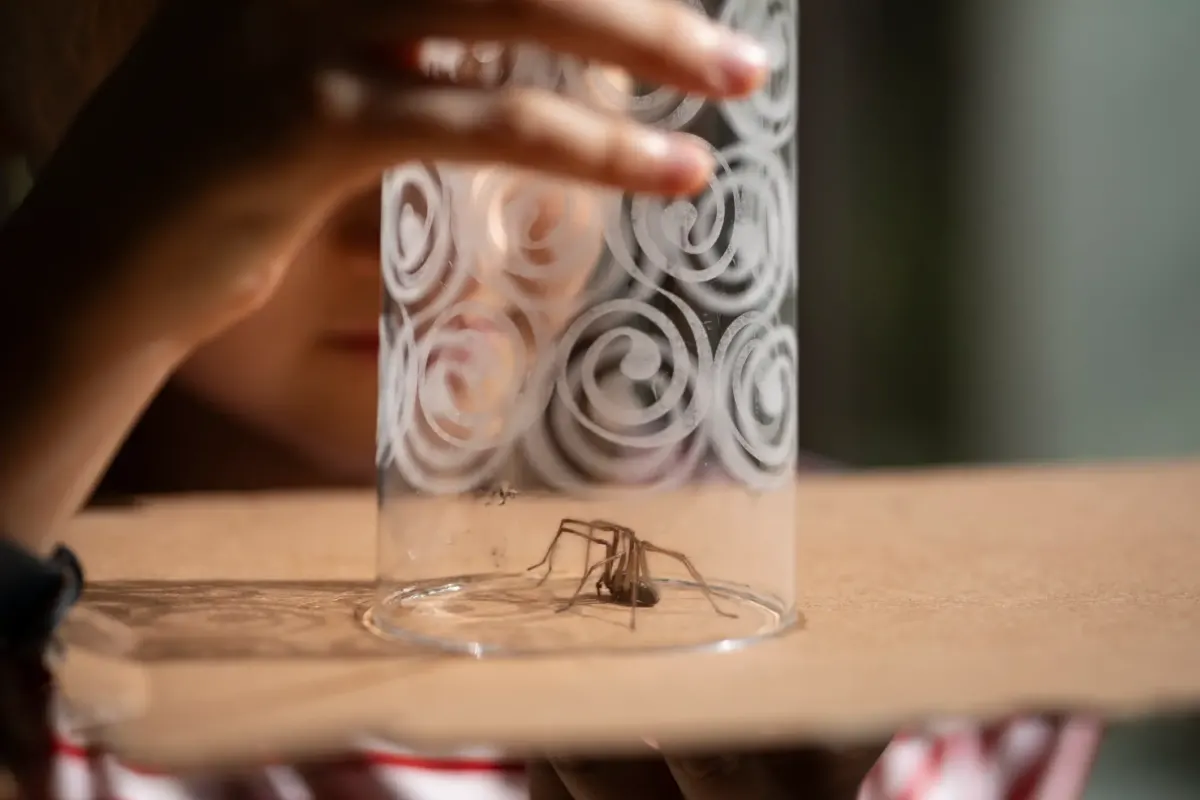
Experts emphasize that despite their alarming size, most UK spiders pose little threat. While nearly all species can bite, encounters rarely result in harm to humans. Still, the sheer volume of eight-legged visitors has prompted a wave of practical advice for the spider-averse.
Adam Hart, an ecologist professor, has emerged as a leading voice on managing the seasonal surge without resorting to lethal measures. He stressed the ecological value of the creatures even as he offered tips for keeping them at bay.
“We studied ‘spider season’ a few years ago by asking people to record their sightings,” he said, “and by around mid-October sightings were unusual – so if you aren’t a spider fan don’t worry, ‘spider season’ doesn’t last forever.”
Hart’s research-backed reassurance comes paired with specific deterrence strategies. Among his recommendations: citrus scents deployed at entry points. Orange peels left on windowsills can function as a natural barrier, with lemon and lime serving equally well. The approach hinges on a straightforward biological aversion — spiders, along with other bugs, typically despise such fragrances.
The professor has also urged restraint when spiders do appear indoors. “Spiders are incredibly important in the wider ecosystem,” he emphasized, pushing back against the instinct to kill.
Beyond scent-based deterrents, homeowners can take several structural and housekeeping steps. Spiders gravitate toward dark, cluttered spaces; clearing out cupboard areas removes prime habitat. Maximizing natural light throughout the home exploits their preference for shadowy environments. Sealing gaps in doors, windows, floors, and ceilings blocks the tiny entry points spiders exploit to move inside.
The seasonal pattern follows a predictable arc: male activity peaks in early autumn as mating drives them toward human dwellings, then tapers off by mid-October once reproductive opportunities diminish. For the spider-wary, the timeline offers its own comfort — the invasion, however intense, remains temporary.