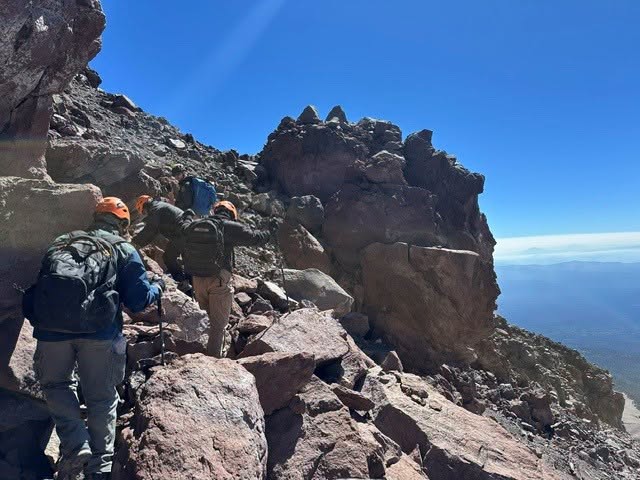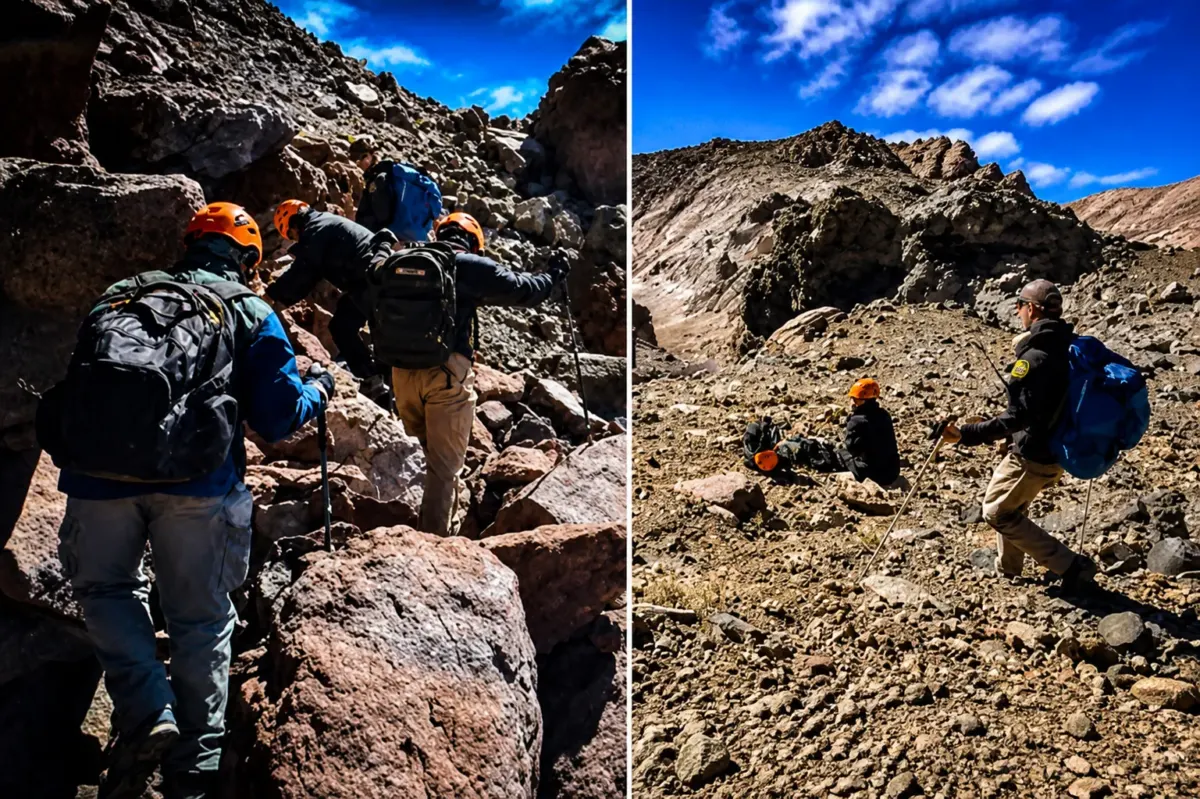
Three amateur hikers from Roseville have admitted they “relied too much on AI rather than our own critical thinking” after a Google Gemini-planned ascent of Mount Shasta left them trapped overnight at roughly 11,000 feet with one man injured and a helicopter rescue foiled by high winds.
The Siskiyou County Sheriff’s Office identified the men only as a group of friends from the Sacramento suburb who turned to artificial intelligence for guidance on everything from route planning to provisions. Gemini advised them on how much food and water to pack for what they expected would be an eight-hour climb on Aug. 29.
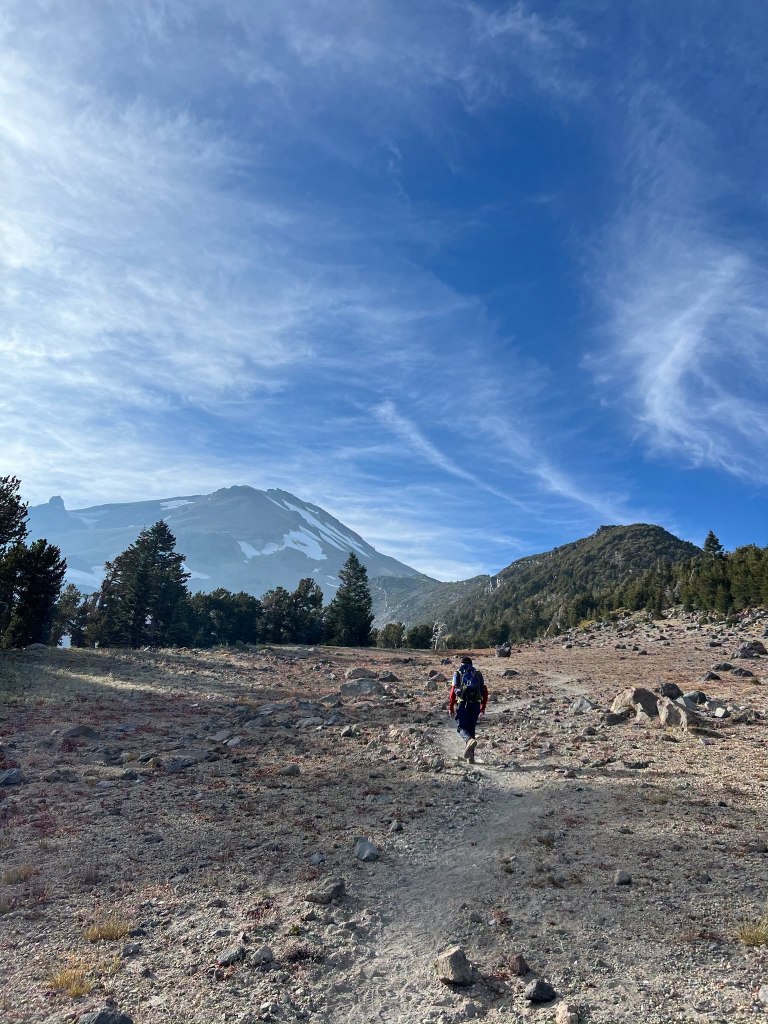
The trio set out from the Clear Creek Trailhead on Saturday and established base camp near the head springs of Clear Creek at approximately 8,400 feet. They departed with daypacks at 3 a.m. The following morning, according to the sheriff’s office.
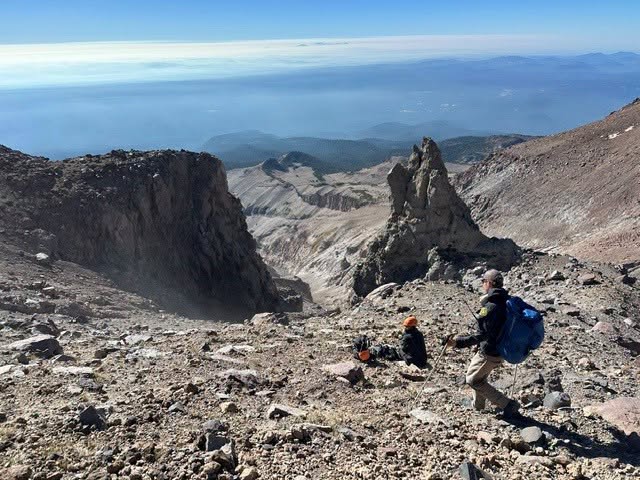
By 3 p.m. Sunday, the group had reached Mushroom Rock at about 12,800 feet. Other climbers on the mountain that day offered conflicting advice: one group urged them to turn back, while another encouraged them to push onward.
They began their descent after dark. Roughly an hour later, disoriented and without reliable navigation, they called 911 for directions. One hiker had been using AllTrails on his phone, but the battery died and his backup charger failed.
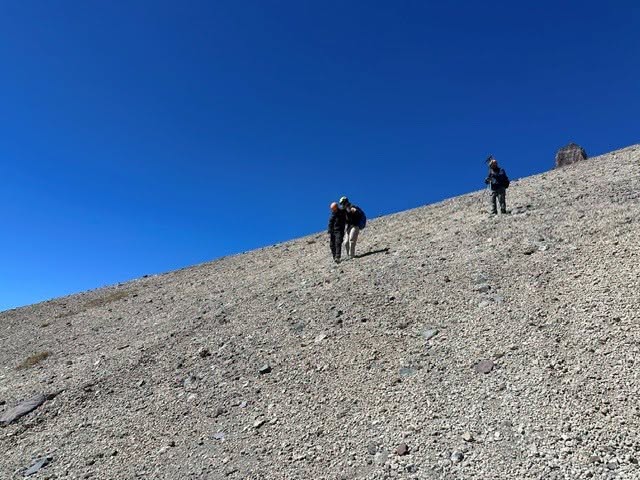
The group veered off course in Mud Creek Canyon. Around 11,500 feet, one of the three injured his left knee. They continued until midnight, then stopped near 11,000 feet to spend the night exhausted, hungry, and dehydrated in the steep canyon.
Forest Service climbing rangers reached them at approximately 9:30 a.m. On Aug. 31. The rangers treated the injured man’s knee and provided food and water.
Attempts to evacuate the group by helicopter were unsuccessful, with one flight canceled due to strong winds. Rangers and Siskiyou Search and Rescue personnel instead assisted the hikers out of the canyon and back to their base camp.
The men later told authorities they had used a combination of AI, YouTube videos, and AllTrails to plan the expedition. The sheriff’s office singled out Gemini’s role in the misadventure.

“This was a critical misstep, as they were advised by Gemini to bring far less food and water than their group required, especially when their planned 8-hour ascent became a multi-day ordeal,” the sheriff’s office said.
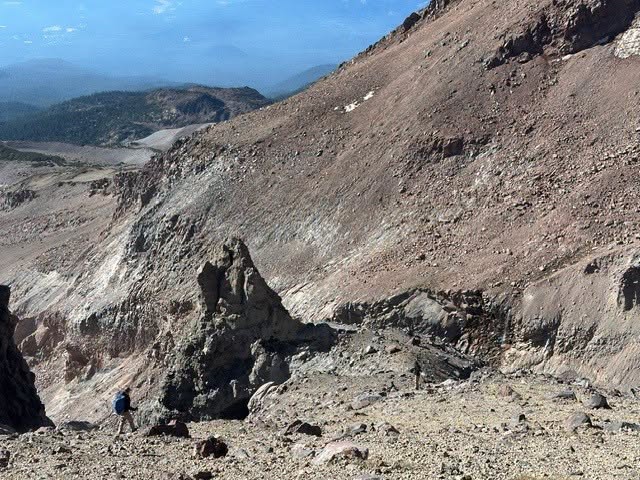
Mount Shasta, a 14,179-foot stratovolcano in Northern California’s Cascade Range, has long drawn climbers but carries significant hazards including rapidly shifting weather, steep terrain, and routes that demand technical skill. The mountain has seen numerous fatalities and rescues over the decades, with authorities repeatedly stressing that conditions can deteriorate faster than inexperienced climbers anticipate.
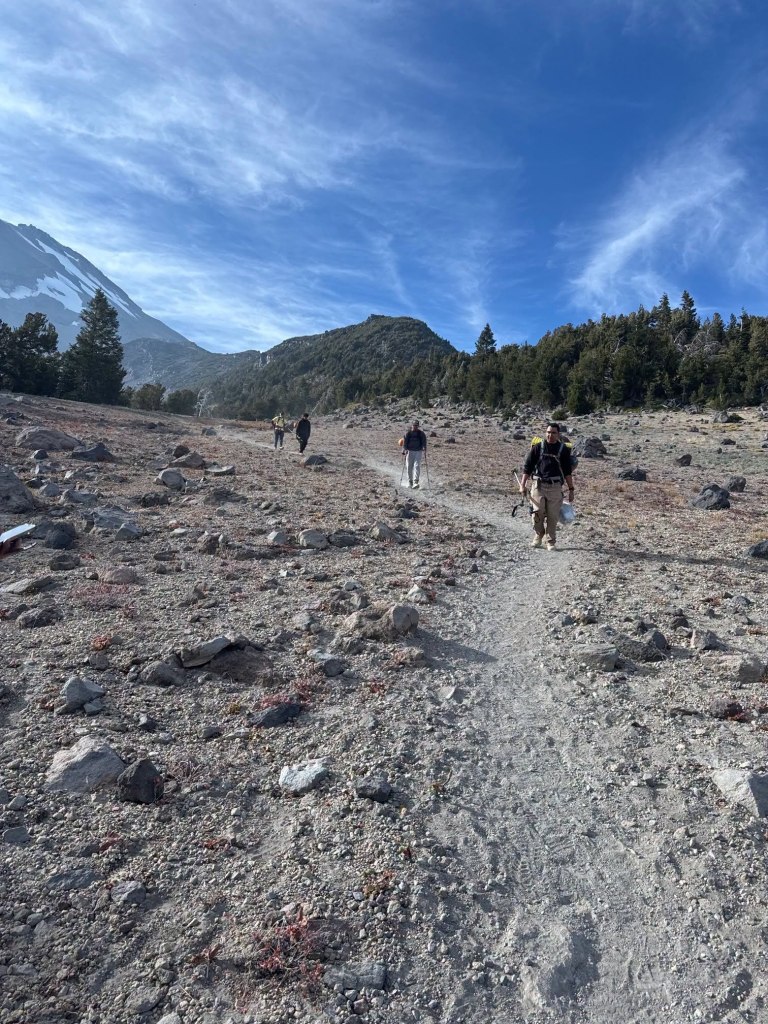
The incident marks another case of outdoor enthusiasts applying technology designed for everyday queries to high-stakes wilderness environments where small miscalculations compound quickly. The men’s reliance on AI for critical supply calculations—rather than established mountaineering guidelines or direct consultation with rangers—transformed a challenging but manageable climb into a life-threatening situation requiring multiple agency response.
Authorities issued a direct warning to other climbers in the aftermath: do not rely solely on AI for trip planning, and consult the local Mount Shasta Ranger Station before attempting any climb.
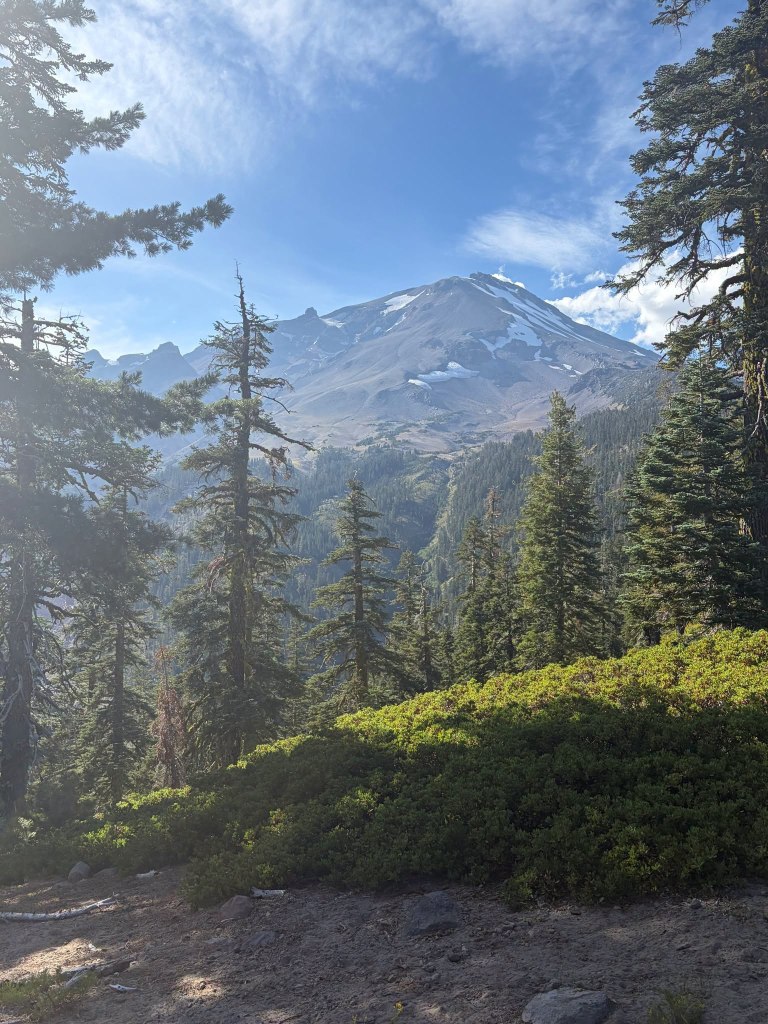
The three hikers appeared to absorb the lesson during their debrief with rangers, acknowledging their overdependence on the technology. “We relied too much on AI rather than our own critical thinking,” they said.