

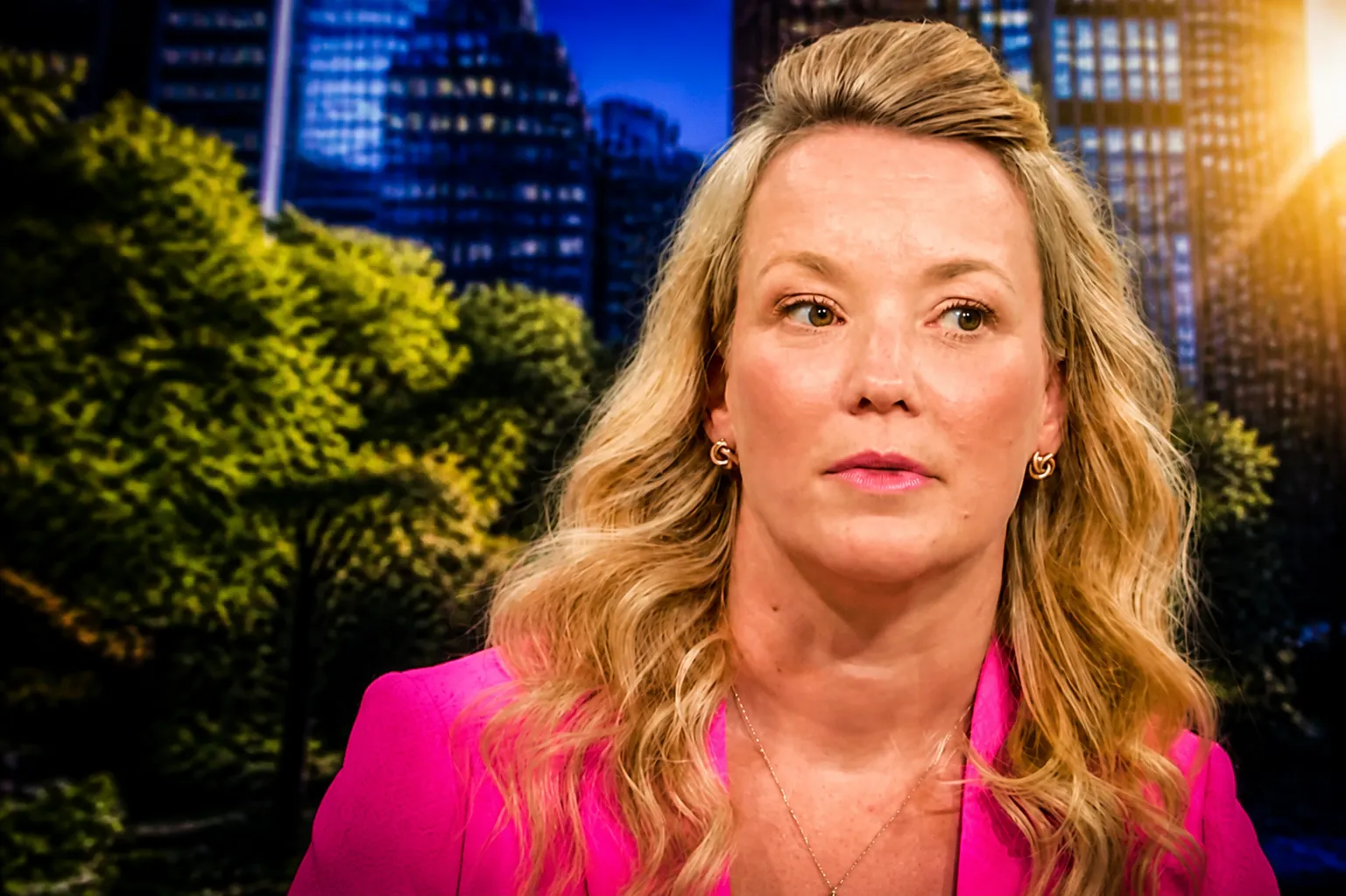
Claire Gerring has spoken out about the rare cancer that led to the removal of nine organs.
Gerring, a mother of two, endured years of excruciating pain in her right side and heavy monthly bleeding that she and her doctors initially attributed to endometriosis. She was actually preparing to undergo surgery for that condition when a laparoscopy revealed her appendix was inverted, setting off a chain of discoveries that upended her diagnosis entirely.

The minimally invasive procedure led to a CT scan that showed something more alarming. “From there, I had a CT scan, which could see that my organs were scalloped,” Gerring said during an appearance on ITV’s This Morning. It was then that she heard a word she had never encountered before: pseudomyxoma.
Dr Sana, who joined Gerring on the This Morning sofa, explained the rarity of the condition. “Only one in four people per million get this per year,” she said. The cancer begins as a small growth in the appendix, and when it ruptures, it releases cancer cells and “a jellylike substance called mucin, which coats all of the all of the organs and tissues in the abdominal cavity.”
By the time of Gerring’s diagnosis, the tumor had already ruptured. The cancer’s spread necessitated what doctors called the “mother of all surgeries” — a grueling ten-hour operation. Surgeons removed all visible cancer from around her organs before administering heated chemotherapy, which Dr Sana described as acting like a “deep clean” to eliminate microscopic cells.
The organs removed were those “not necessary for survival,” including Gerring’s reproductive organs, gallbladder, spleen, and appendix. The specialized nature of the surgery meant she had to travel to Basingstoke, one of only two UK hospitals equipped to handle her form of cancer.
Gerring now lives with lasting effects from the extensive procedure. She has bowel and bladder issues, though she considers these manageable trade-offs. “It’s a small price to pay for being here,” she said. She credits her family with sustaining her through the ordeal, stating plainly, “I wouldn’t be here without them.”
The symptoms that plagued Gerring for years before her correct diagnosis were easily mistaken for other conditions. Dr Sana emphasized to viewers that pseudomyxoma’s warning signs can be frustratingly subtle. Gerring herself experienced one particularly confusing hallmark: instead of weight loss, which many associate with cancer, she found her body changing in the opposite direction. “With cancer, you hear you lose weight, but with this, I just started to balloon, and I thought it was just because I was middle aged,” she said.
The experience has left Gerring with a clear message for others experiencing persistent or unexplained symptoms. Those who notice ongoing pain or bodily changes that defy explanation are advised to seek medical evaluation, as conditions like pseudomyxoma can masquerade as more common ailments while advancing silently.
Gerring continues to share her story publicly to raise awareness of the rare cancer that nearly went undetected.