

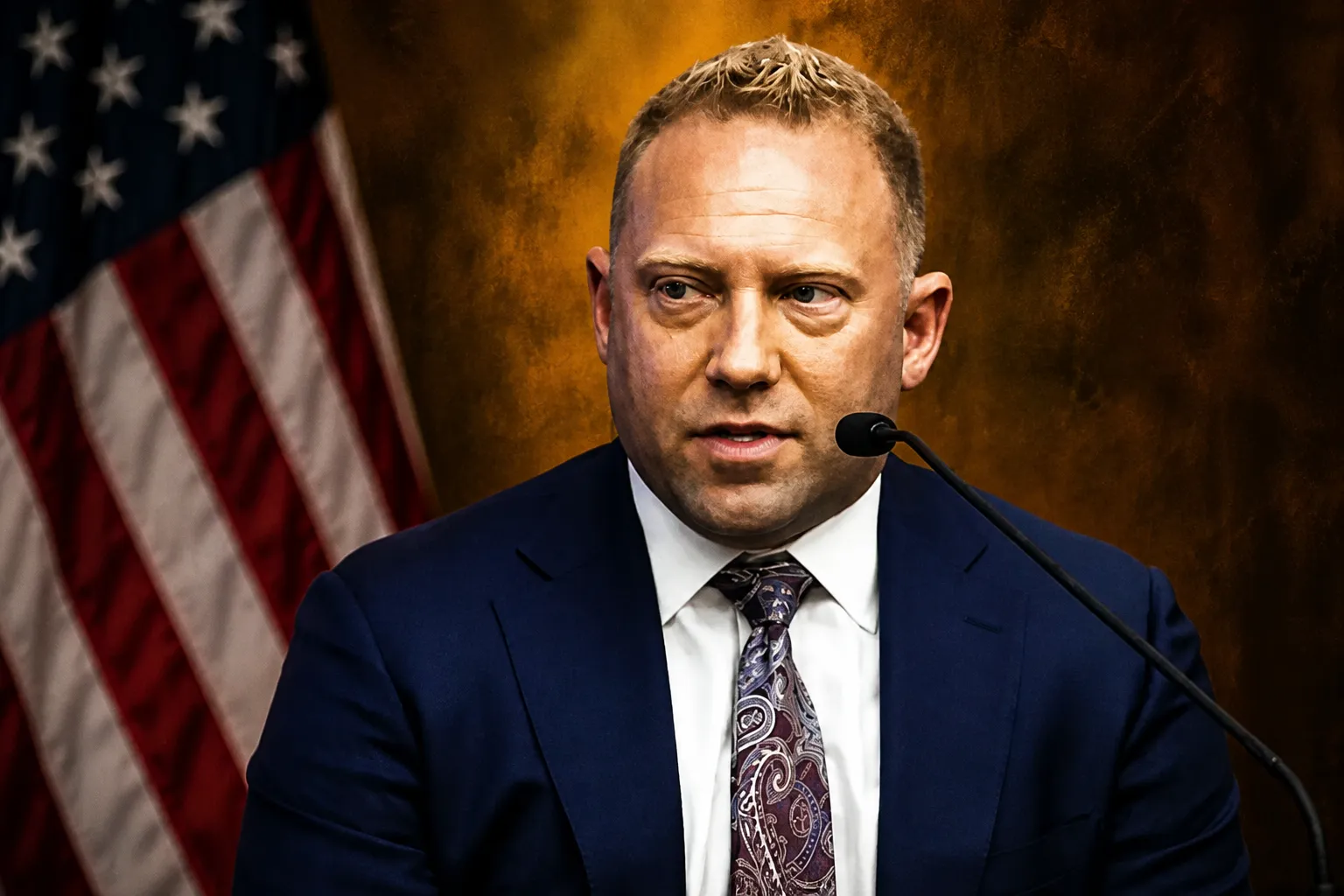
Lindsay Clancy’s attorney said outside court he does not want a mistrial even as the jury remains deadlocked after nearly a week of deliberations.
Kevin Reddington, who represents Clancy, 36, spoke to reporters Thursday outside Plymouth County courtroom after the panel failed for a third straight day to reach a unanimous verdict. Judge William Sullivan had just sent jurors home and ordered them back for a seventh day of deliberations on Friday.
“I don’t want a mistrial,” Reddington told reporters via Court TV. “Why would I want a mistrial?”
When a reporter asked whether he wanted a new juror substituted in, he fired back: “Kick the [expletive] out of their case. I don’t want a mistrial.”
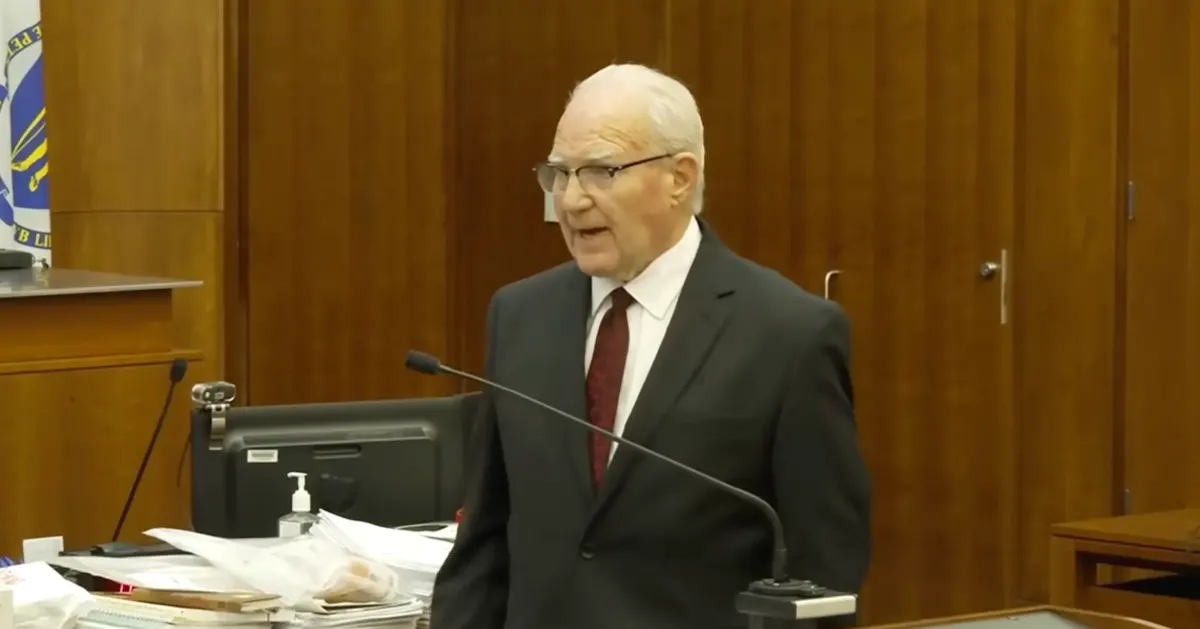
The defense had tried exactly that approach a day earlier. In court Wednesday, Reddington asked Sullivan to remove a juror he claimed was ignoring judicial instructions on reasonable doubt.
“There’s one juror who refuses to listen to the law that you’ve given him or her on reasonable doubt,” he said in court Wednesday. “And I suggest respectfully that the soft instruction that you gave them at the sidebar saying ‘can you listen to the law as I instruct you’ does not focus on the issue.”
He continued: “The question was not sufficient enough. If we come back here in a half an hour with a mistrial because of a juror that has just spurned the instructions of the court, it’s a shame.”
Sullivan denied the request. Earlier Thursday, the judge said on the record: “In this case here, I see no showing of the need for an inquiry of this particular juror.”
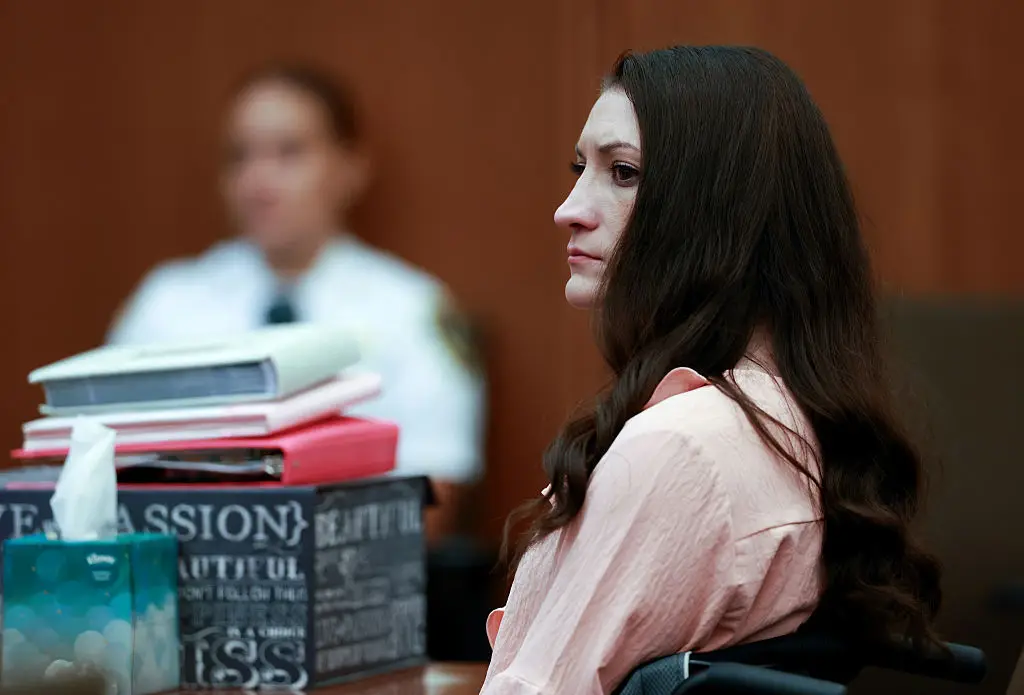
The jury first received the case last Friday after hearing testimony since July 27. Clancy has admitted she strangled her three children — Cora, Dawson and Callan — at the family’s home on January 24, 2023. The panel must decide among five possible verdicts on whether she was criminally responsible, with her defense arguing postpartum psychosis rendered her unable to control her actions.
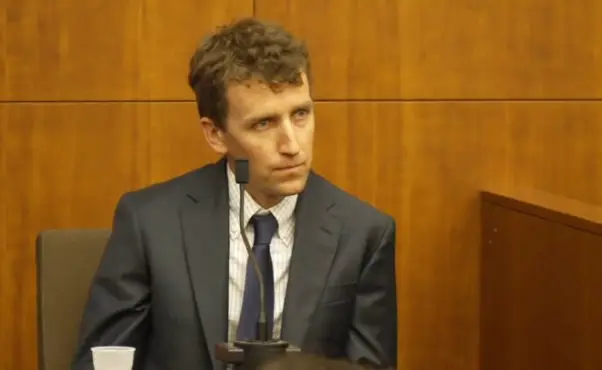
Her ex-husband Patrick Clancy, the trial’s first witness, testified that his wife’s decline accelerated in December 2022. “She started to lose a lot of weight, and she became very depressed, and she was having a really hard time,” he told jurors.
He recalled finding the children dead and seeing “blood everywhere.” About a week later, Clancy called him from the hospital. “She didn’t talk about our kids, she talked about what she went through,” he testified. “She said she heard a man’s voice telling her that if she didn’t do it now, she would lose her chance — or something like that.”
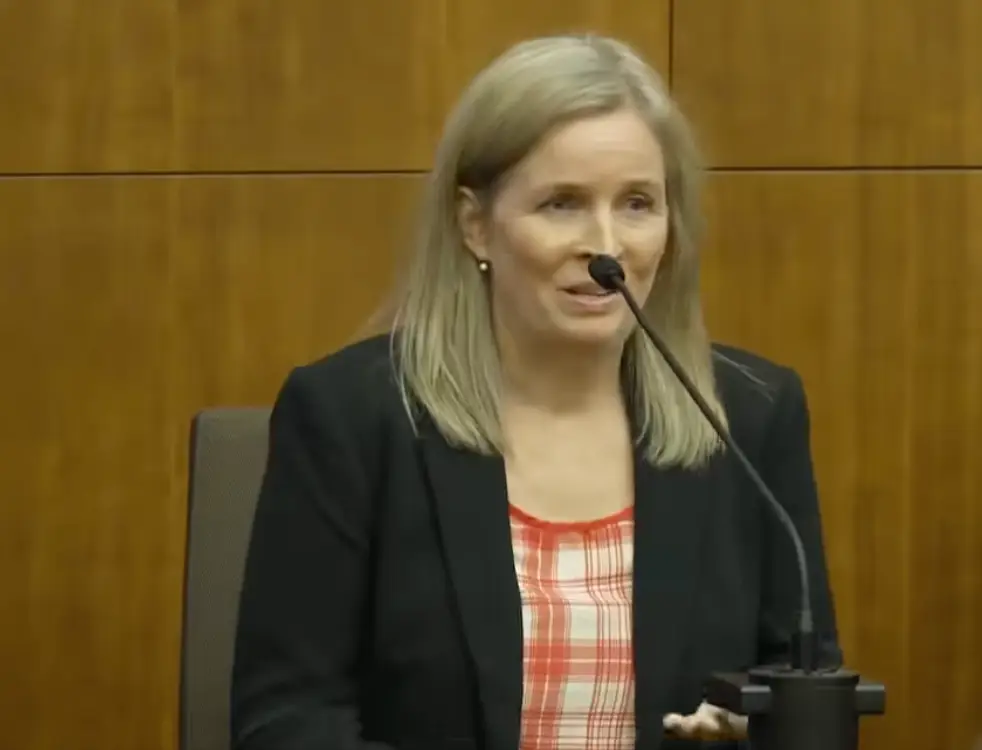
The couple’s former nanny, Elaine Rossi, worked for the family from September to December 2022. She described Clancy as a “wonderful mom who loved her kids” who “was concerned about their safety, and Callan eating and sleeping.” Rossi testified that Clancy shared she had postpartum depression and could not sleep, and that prescription bottles were visible in the home, though she never feared for the children’s safety.
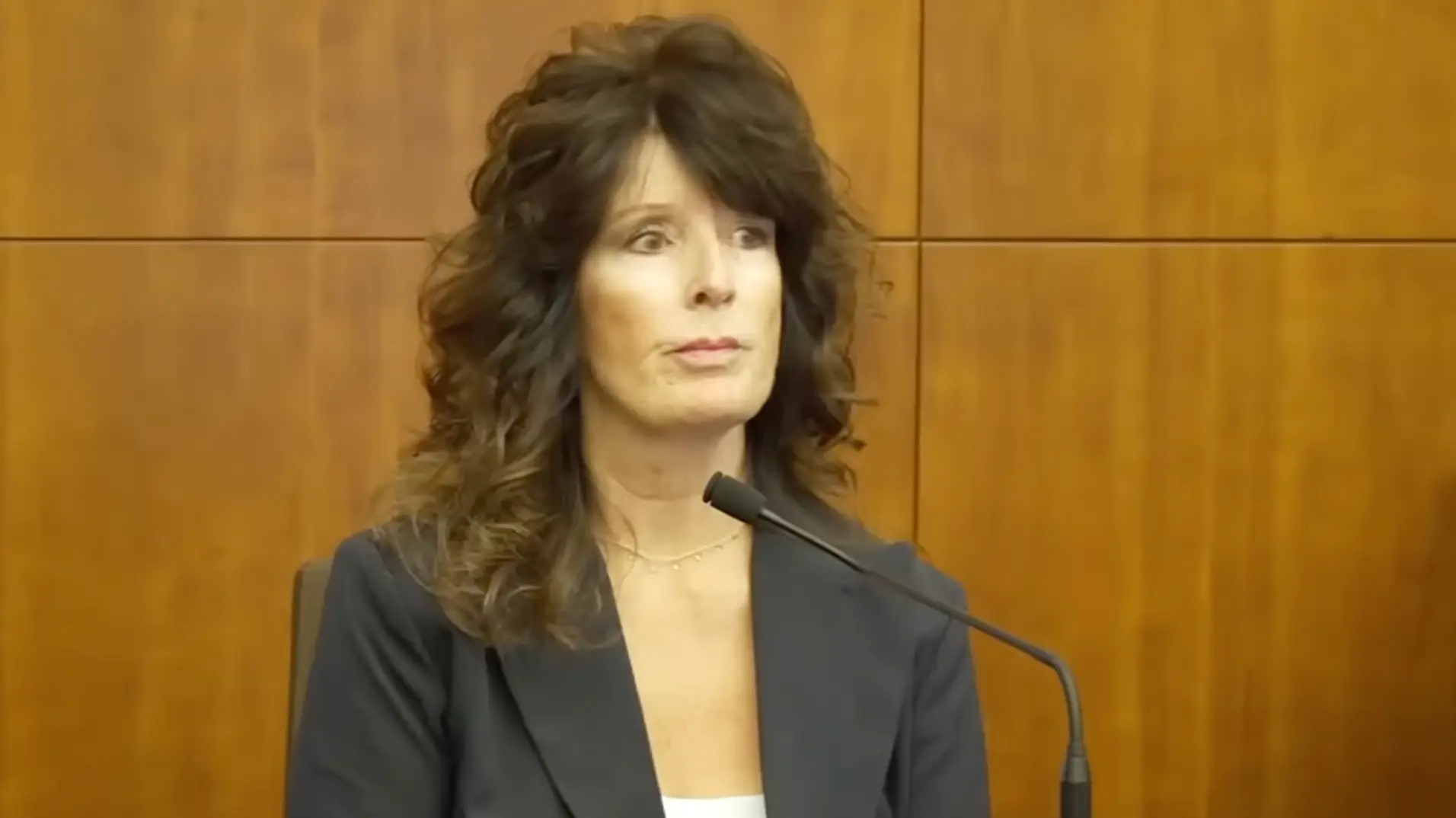
Clancy’s mother, Paula Musgrove, testified that her daughter’s mental health deteriorated beginning in October 2022. The jury saw a text Clancy sent that month: “Mom, will you please come up and stay with me for a bit? I’m really sick. Something is wrong. I had horrible insomnia all night, and I just don’t know how I am going to get through the day… I started taking the medicine my doctor prescribed for anxiety and I think it’s made things worse. It’s just really scary and I don’t want to be alone.”
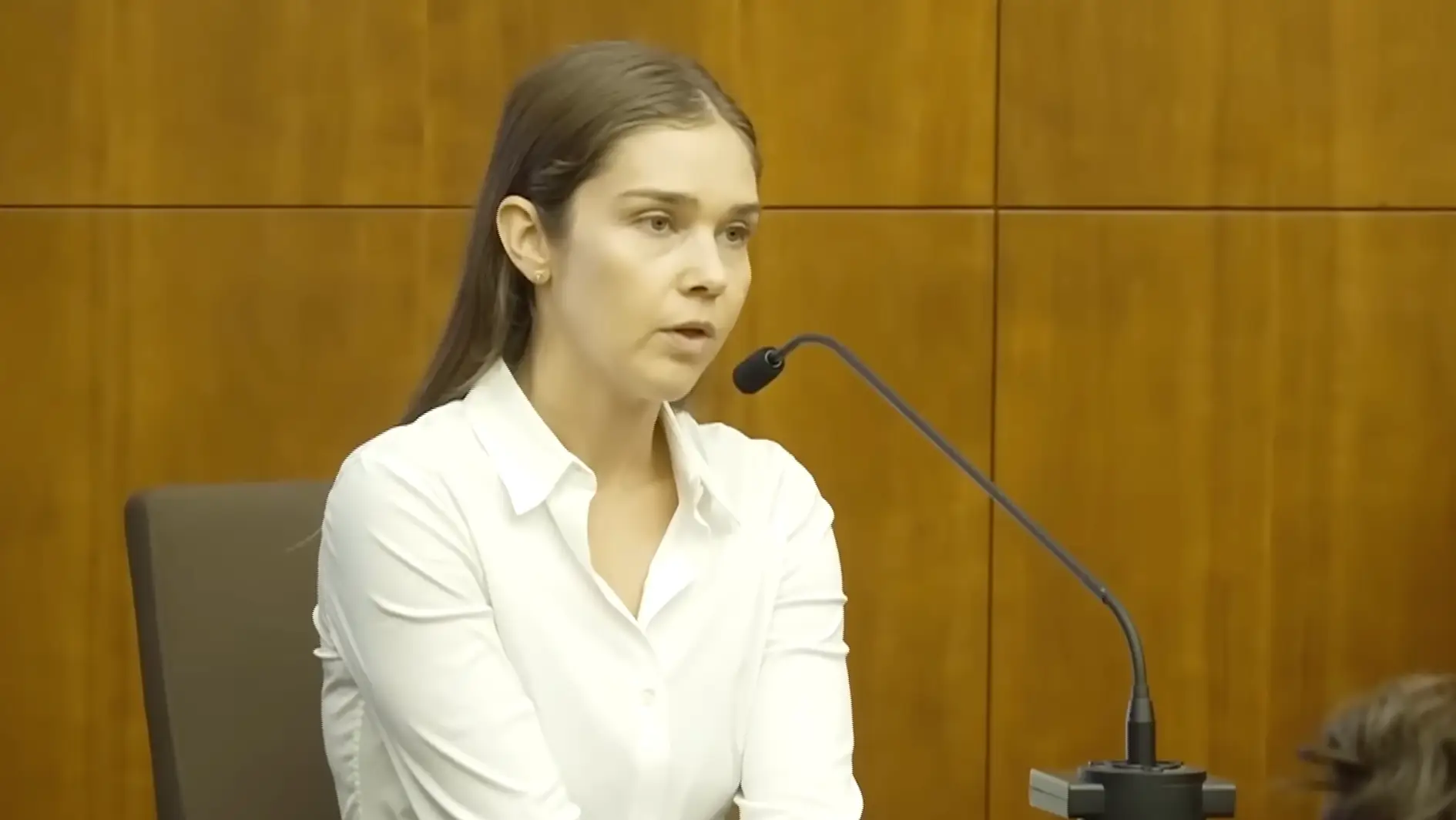
Musgrove said that in December 2022, Clancy told her and Patrick she had thoughts of harming the children. She also testified her daughter grew convinced psychiatric medications were “destroying her mind” and became increasingly fearful of sleeping alone.
Clancy’s psychiatrist, Tufts, began treating her in September 2022 via online video sessions — more than a dozen appointments ending January 23, 2023, the day before the killings. Tufts testified Clancy denied suicidal thoughts but “felt that she was getting close to it” in December 2022. During cross-examination, Reddington asked whether it would surprise her to know Clancy called a suicide hotline twice and was turned away both times. “It does surprise me, yes,” Tufts replied. “It surprises me that she called them twice,” She added she did not think she had “specifically asked that.”
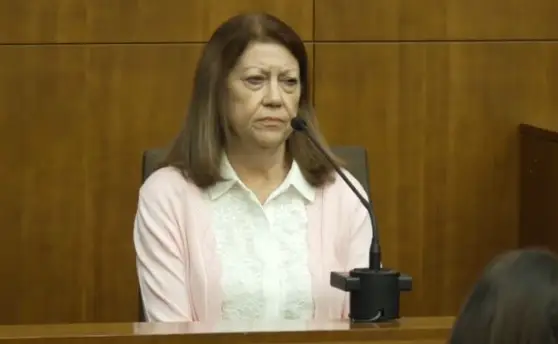
Forensic analyst Timothy Chiappini testified Clancy searched “can you treat a sociopath” days before the killings. Her notes app contained an October 25, 2022 entry reading in part: “I’m sad and depressed because I am not able to parent my third child like my first.”
Multiple colleagues from Massachusetts General Hospital described a compassionate nurse struggling with her own care. Margaret Hamp testified she once discussed the Andrea Yates case with Clancy, who had not heard of the 2001 drowning of five children and cried, asking: “How could a mother hurt her children?” Andrea Hennigan testified Clancy told her she would not return to work because she “was not in a mental state to take care of patients” after Callan’s birth, mentioning “insomnia and not feeling herself.”
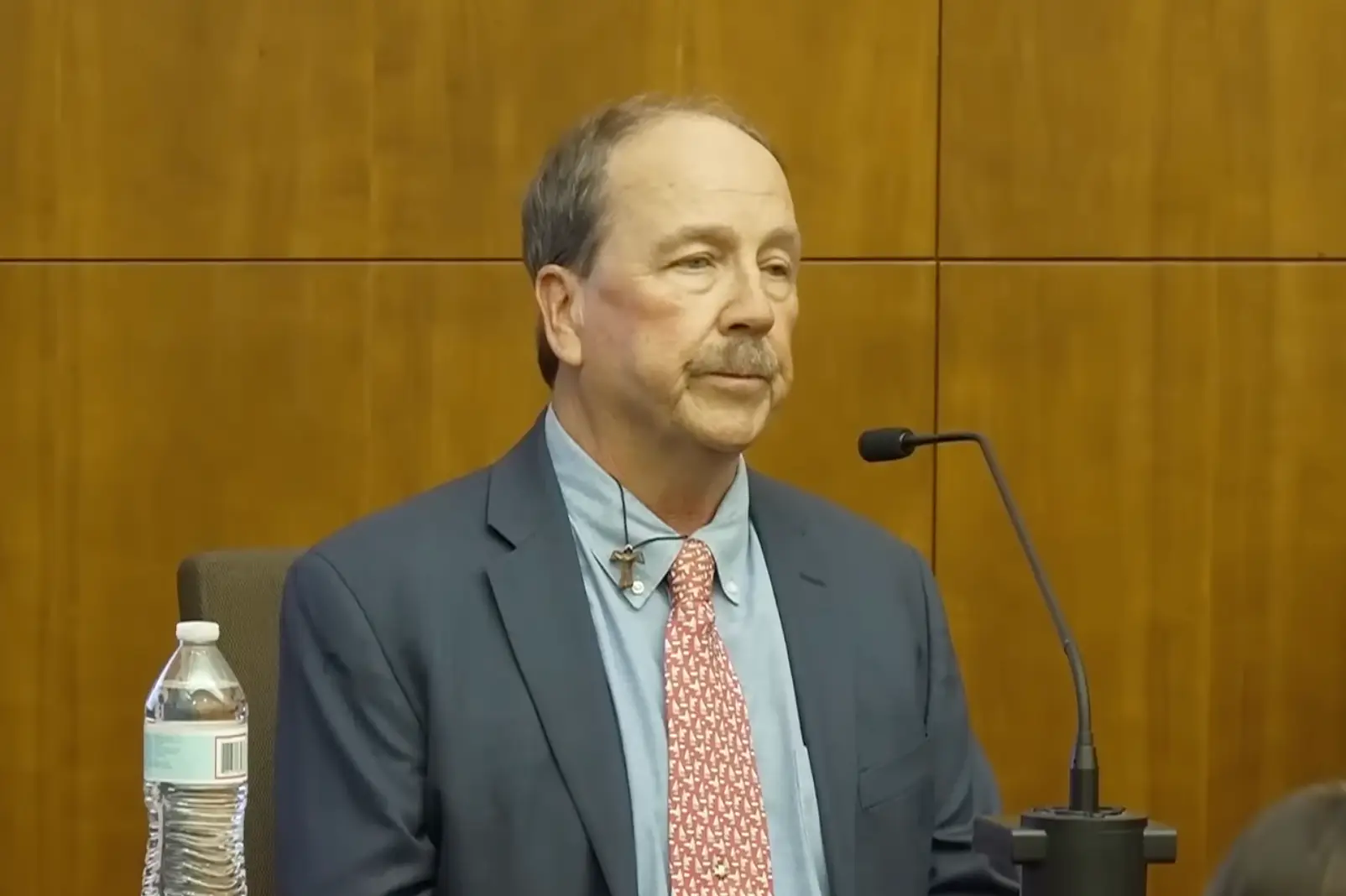
Friend Amy Bevins communicated with Clancy days before the killings. “She had shared that she had been taking a medication that caused her to have some dark thoughts, but that she was going to, or had been weaning, like tapering off that medication,” Bevins testified, adding she remembered “conveying of hope, and that it was going to be a, you know — we were moving in a positive direction.”
Another friend, Bethany DeCollibus, testified that during a January 2023 birthday party, Clancy told her “things haven’t gotten any better, and that she feels like a zombie.”
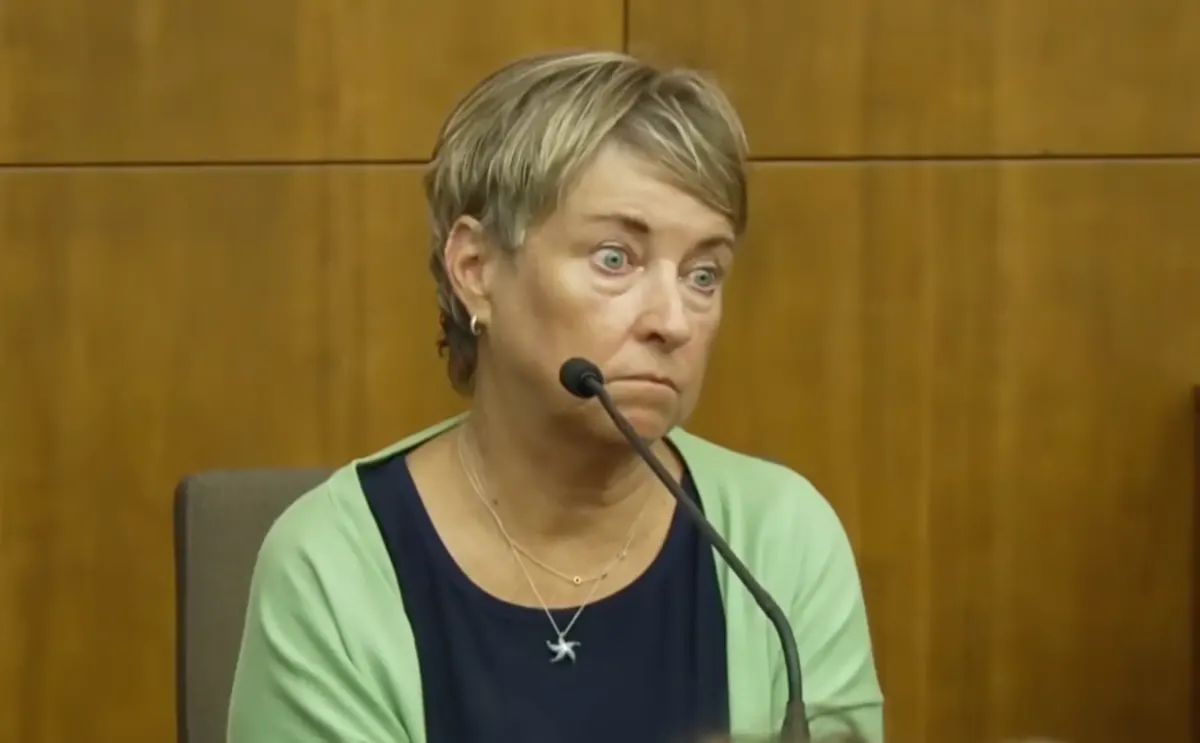
If the jury ultimately cannot reach consensus, Sullivan could declare a mistrial. Clancy would then be held at a psychiatric hospital while prosecutors weigh a retrial, plea deal, or dropping the case entirely.
The jury resumes deliberations Friday in Plymouth County.